Choosing the Right Submersible Well Pump

Get a Professional Sourcing Quote

Our pump experts will review your request and reply within 12 hours.
Choose Your Needs Optional Business Type
Customization Requirements Optional
Email
Name
Company Name & Website
Message
0/1000

submersible well pump

Choosing the right submersible  well pump  is critical for efficient water  extraction in various applications, from agriculture to municipal  water supply. As a B2B  buyer, understanding  the specifications, potential  issues, and  sourcing options is essential  to make  informed decisions.  This article aims  to  guide purchasing managers, engineers, and other professionals  through the complexities  of selecting and sourcing submersible  well  pumps,  ensuring optimal  performance  and reliability in their operations.
Key Specifications to Evaluate in Submersible Well Pumps

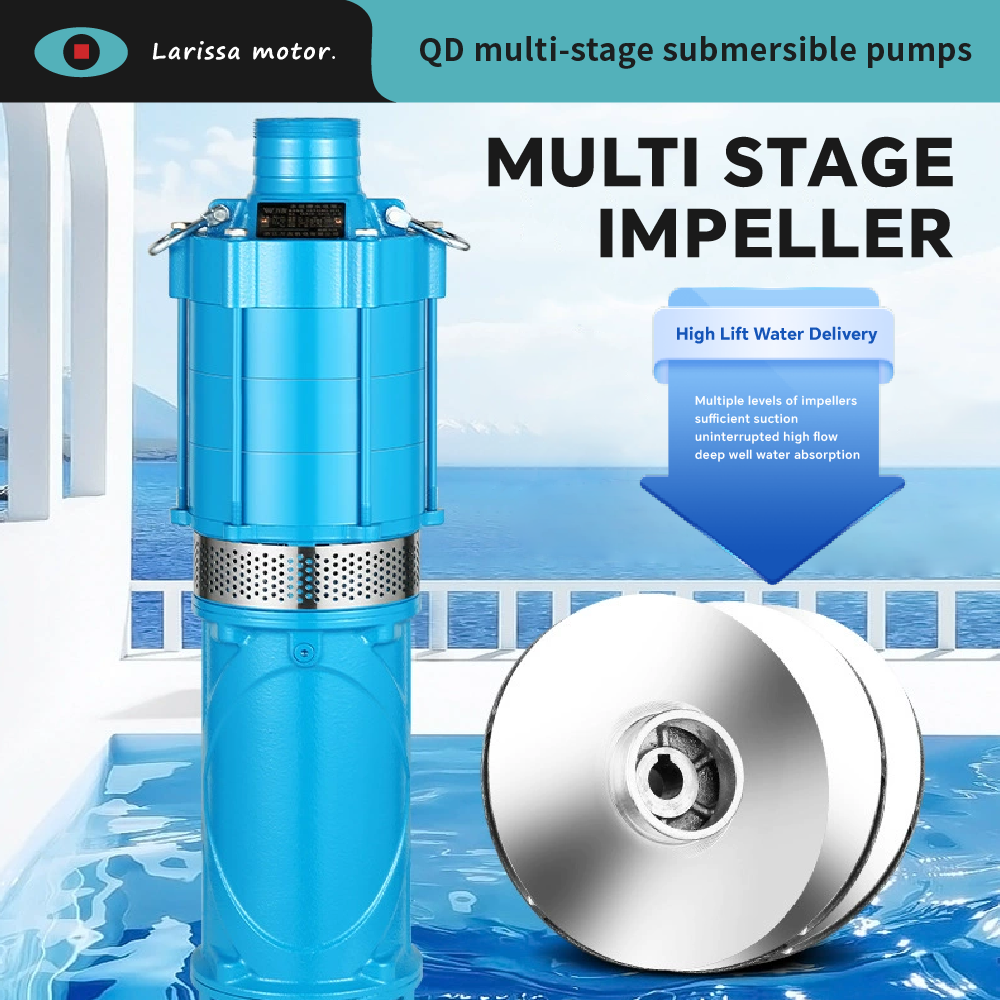
Key Specifications to Evaluate in Submersible Well Pumps

When evaluating submersible  well  pumps, focus on several critical specifications:

Motor Power: The power rating, typically measured  in horsepower (HP), impacts the pump's efficiency  and performance. Ensure that  the motor can handle the required flow rate without overheating.

Pump Size and Weight: The physical dimensions and weight  of the pump affect installation. A pump that  is too large may  not fit into  the well casing, while excessive weight  can  complicate handling and  installation.

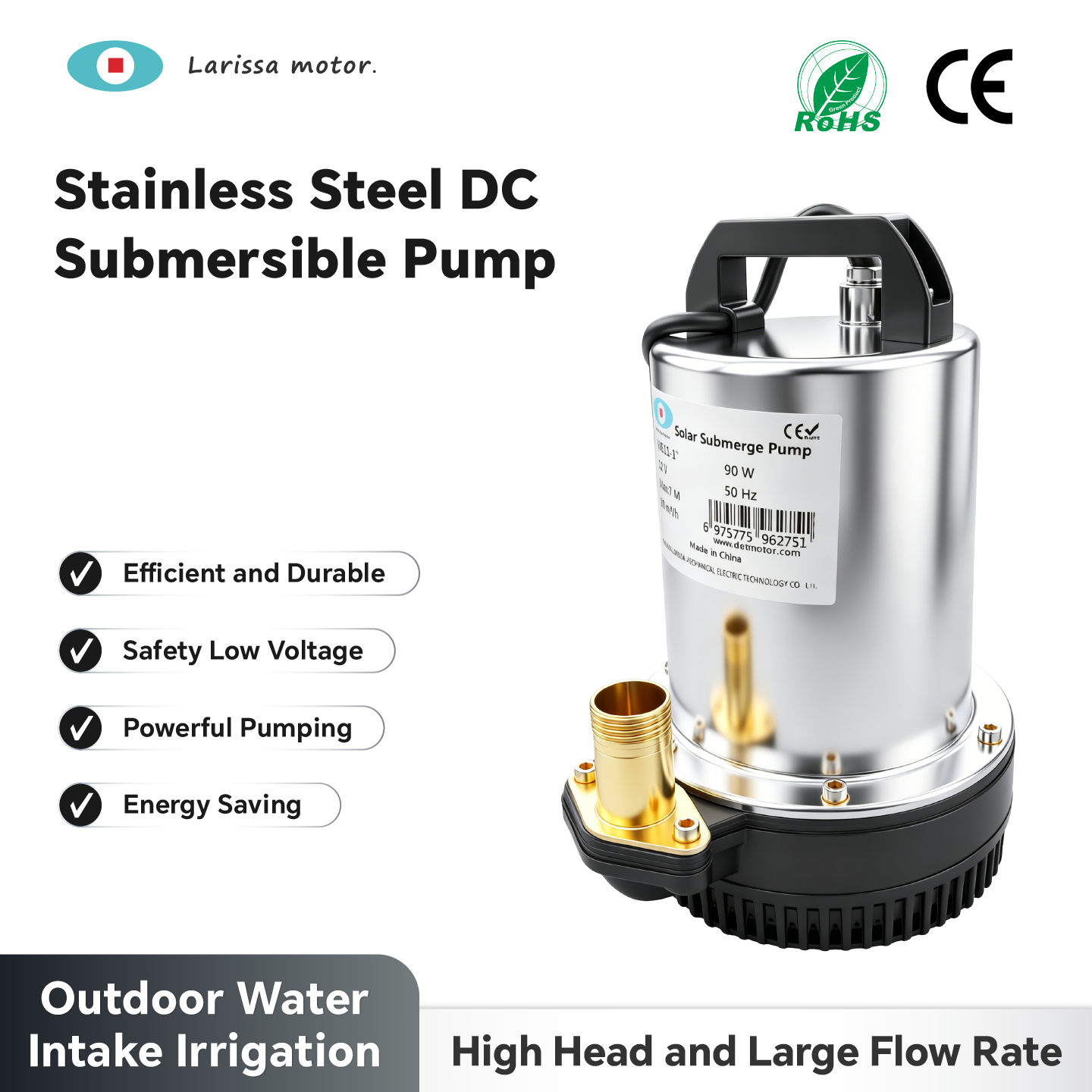
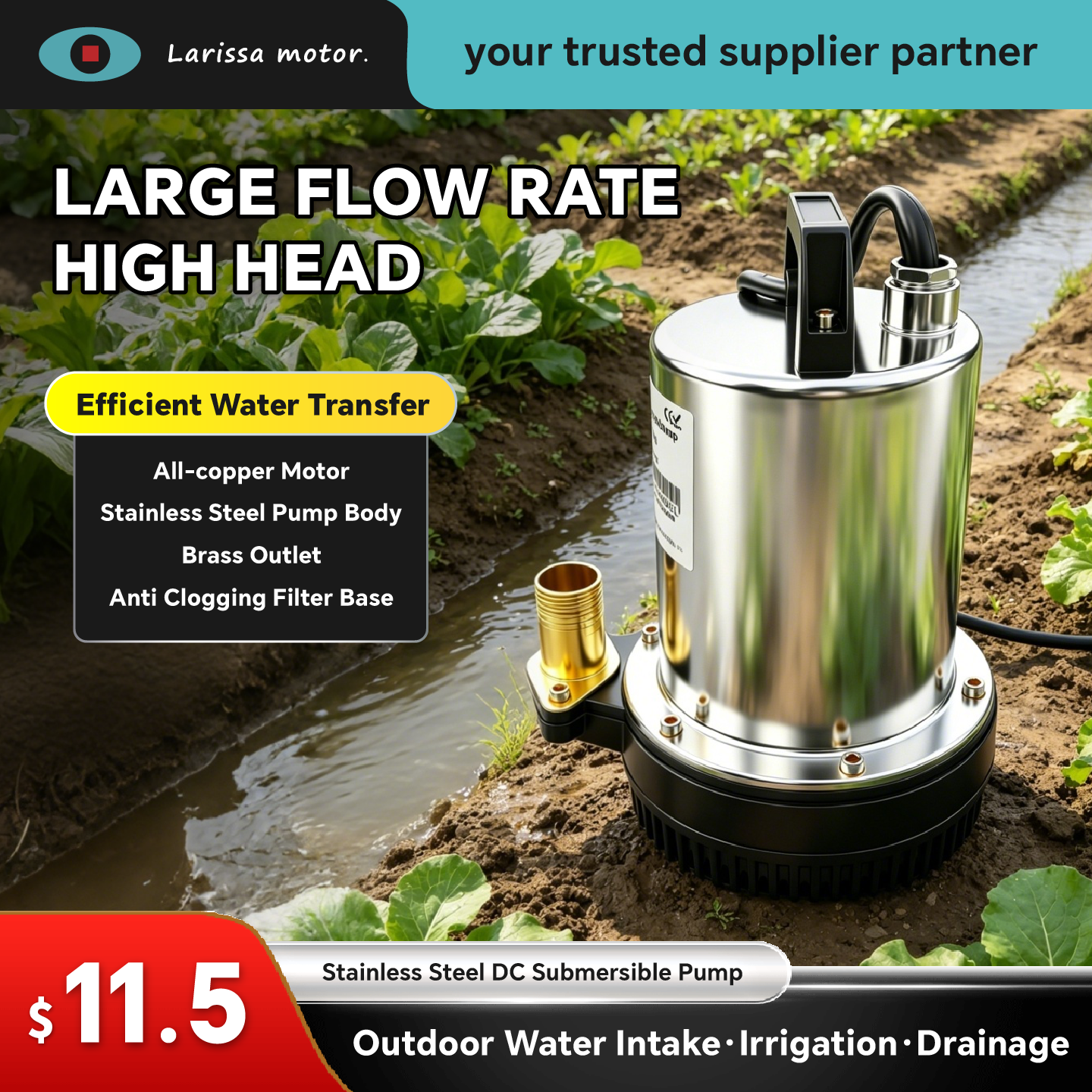
Material  and Coating: Pumps made from  durable materials like stainless steel offer longevity, especially in harsh environments. Coatings can provide additional protection against corrosion and wear.

Efficiency Rating: Look for energy-efficient models that reduce operational costs  over time. Efficiency ratings can help identify pumps that deliver optimal performance with  lower energy  consumption.

Certification Standards: Ensure the pump meets international standards for safety and performance, which  can  be a  crucial factor when sourcing for global markets.

Understanding these specifications helps in making an informed choice that aligns with your operational needs.
What to Look For

What to Look For

When sourcing submersible well pumps, focus on the following aspects:

Customization Options: Many manufacturers, such as Larissa Motor, offer customization capabilities to meet specific operational requirements. This includes variations in  size, power, and materials based  on  your unique application. For example, DC CPM Centrifugal Water Pump for Solar Irrigation & Agricultural Water Transfer might be tailored for specific irrigation needs.

Quality Control  Processes: Investigate  the  manufacturer's  quality assurance protocols. A robust quality  control  process ensures consistency  and reliability  in production, minimizing defects and failures.

Lead Times and Minimum Order Quantities (MOQs): Understand the lead times for production and  any minimum  order quantities. This information is  crucial for planning  your procurement strategy and managing inventory levels.

Technical  Support: Evaluate the level of technical support provided by the manufacturer. Access to expert  guidance can be invaluable during installation and maintenance  phases.

These considerations will help ensure you partner with a reliable manufacturer  that can  meet your needs effectively.

Common Problems with Submersible Well Pumps and Solutions

Common Problems with Submersible Well Pumps and Solutions

Submersible well  pumps  can encounter several  common  issues, which buyers should be aware of:

Overheating:  This can  occur if the  pump is  not properly sized for the application. To prevent this,  ensure that the pump's specifications match the  required flow rate and head height.

Clogging: Debris  and sediment can accumulate in the pump, leading to reduced efficiency. Regular maintenance checks and the use of filters can help mitigate this issue.

Electrical Failures: Issues with the motor or electrical connections can lead to pump failure. Choosing pumps with  robust electrical components and ensuring proper installation can reduce these risks.


Corrosion: Pumps exposed to corrosive environments can deteriorate quickly.  Opt for materials that are resistant to corrosion and ensure proper sealing to protect internal  components. For applications where corrosion is a concern, consider pumps like the WBZ(D)S Stainless Steel Self Priming Pump Corrosion Resistant Pump Acid Alkali Resistant.

Understanding  these problems and  their  solutions will help buyers select pumps  that minimize operational disruptions.


How to Source Submersible Well Pumps for Bulk Orders

Sourcing submersible  well  pumps in bulk involves a strategic approach:


Identify Reliable Suppliers: Research manufacturers with a proven track record in  producing high-quality  pumps.  Look for certifications and customer testimonials to gauge reliability.

Request Samples: Before placing a bulk order, request  samples to evaluate the quality and performance of the pumps. Testing samples under actual  operating conditions can uncover potential  issues.

Negotiate Terms: Discuss pricing, lead times, and payment terms with suppliers. Understanding the  total cost, including  shipping and potential customs fees, is essential for budgeting.

Establish a Relationship: Building a strong  relationship with your supplier  can  lead to better terms and  support. Ongoing communication allows for  adjustments in orders based on  changing needs.

Confirm  Technical Specifications: Ensure  that all  technical parameters are confirmed before finalizing the order. This includes flow rates, motor specifications, and material requirements.

By following these steps, you can streamline the procurement process, ensuring that your organization receives high-quality submersible well pumps that meet its operational needs.

How to Choose the Right Submersible Well Pump for Your Needs

Selecting the right submersible well  pump involves understanding your specific application requirements. Key factors to consider include the pump's flow rate,  head height, and the depth of the water  source. Flow rate is often measured in gallons per minute (GPM) and should match the intended water usage. Head height, measured in feet, indicates how high the pump can push water and must  be suitable for the depth of the well.

Additionally, consider the pump's  material construction. Common materials  include stainless steel  for corrosion resistance and thermoplastics  for lightweight applications. Depending on your water quality,  you  may need pumps that can handle abrasive particles or corrosive substances. It's  advisable to  consult  with  manufacturers like  Larissa Motor,  which has extensive experience in producing customized solutions, ensuring  that the selected pump meets your  operational  demands. For instance, options like the Heavy-Duty Industrial Boiler Feed Water Pump for Hot Water Circulation & Heating Systems can be considered based on your requirements.


Get a Professional Sourcing Quote

Our pump experts will review your request and reply within 12 hours.
Choose Your Needs Optional Business Type
Customization Requirements Optional
Email
Name
Company Name & Website
Message
0/1000

Related product categories