EN
EN

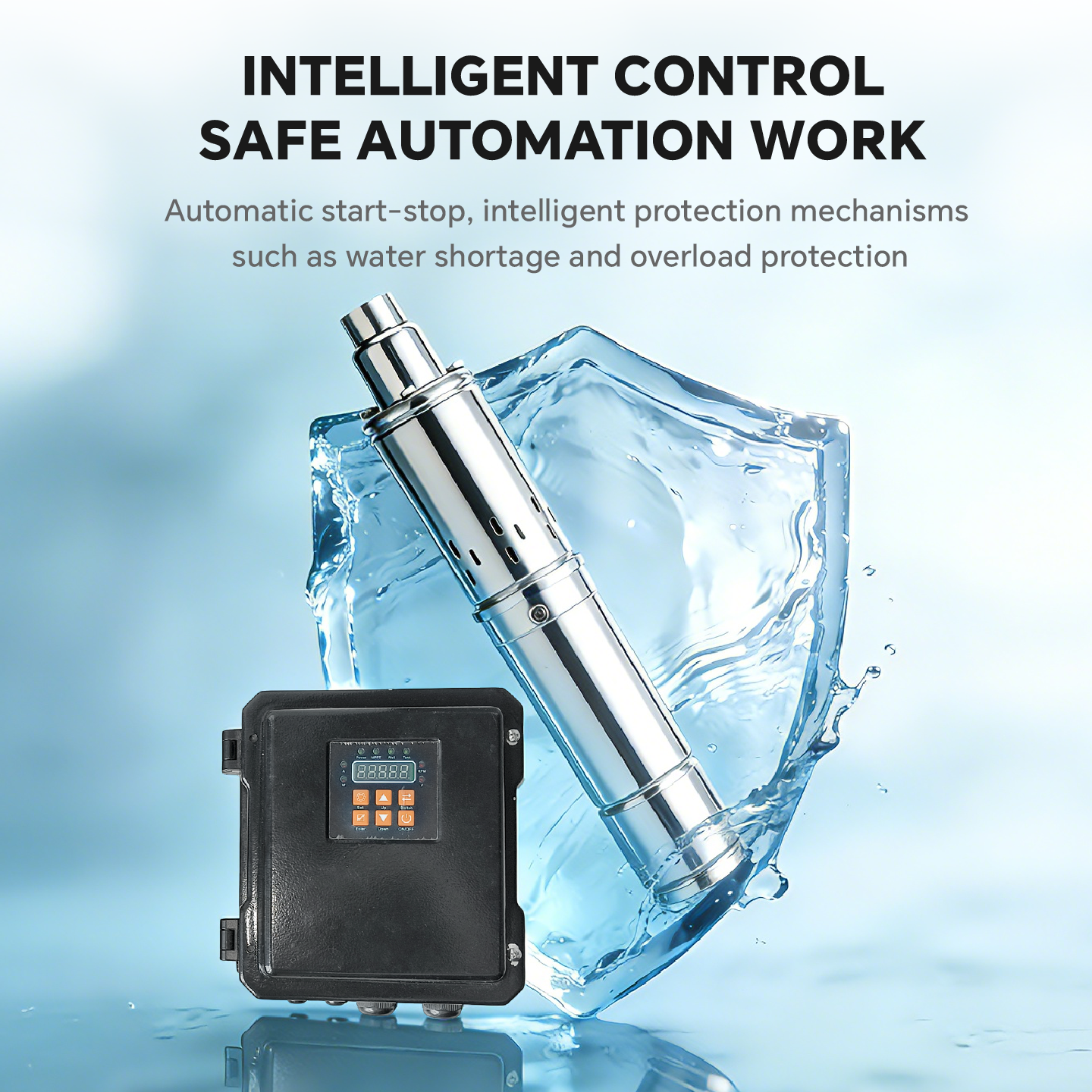
Understanding the pricing of solar motor pumps is crucial for B2B buyers, especially for those in manufacturing, distribution, or engineering roles. The solar motor pump price can vary significantly based on various specifications and features. This article will help you navigate the critical factors influencing these prices, ensuring you make informed purchasing decisions. We will cover essential aspects such as key specifications, cost factors, material advantages, and what you need to know as a buyer.

Key Specifications to Review for Quality Solar Motor Pumps
When evaluating solar motor pumps, focus on the following key specifications:
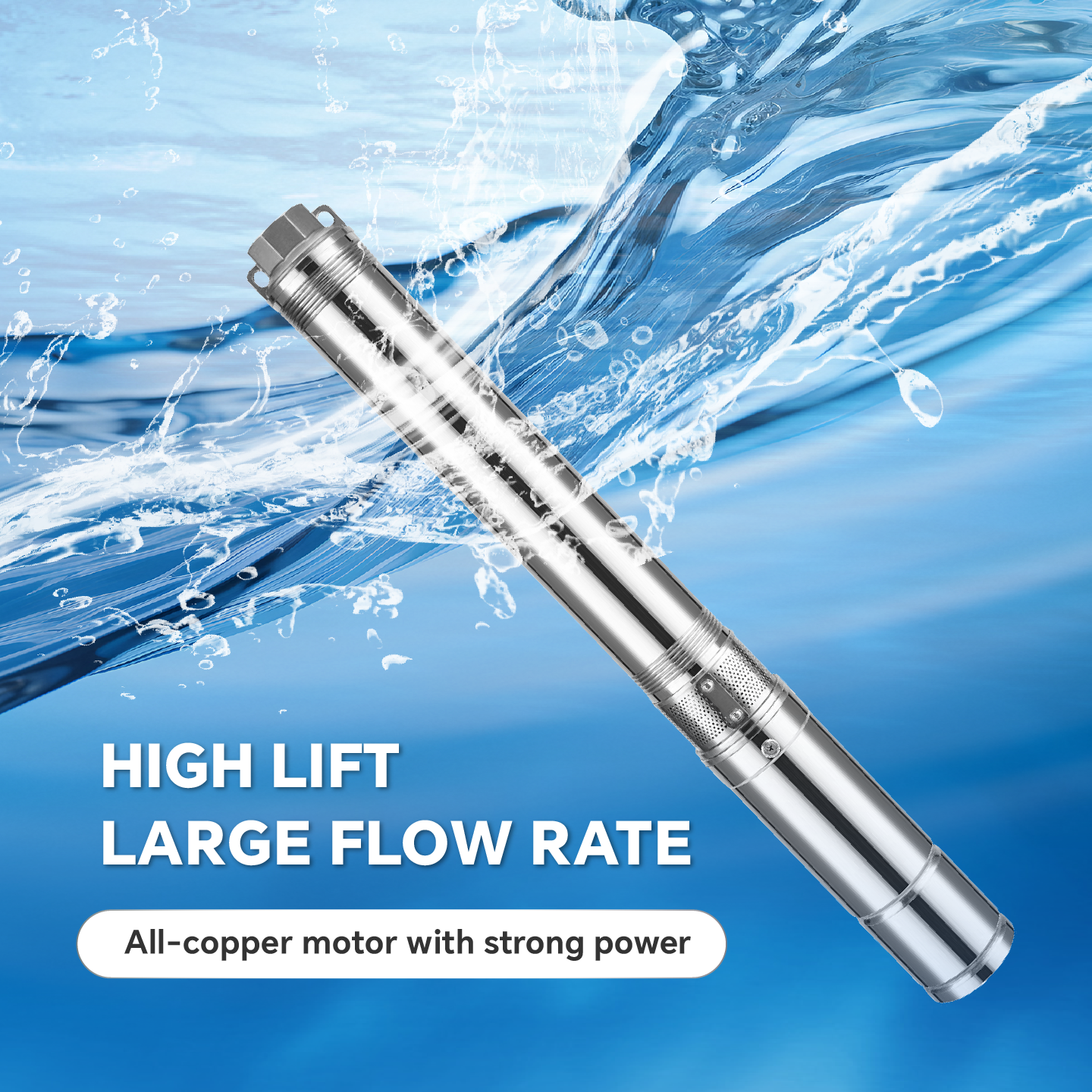
Flow Rate: Measured in liters per minute (L/min) or gallons per minute (GPM), this indicates the volume of water the pump can move. A higher flow rate is essential for applications requiring significant water delivery.
Head Height: This refers to the maximum vertical distance the pump can lift water. It’s crucial to match this specification with your installation requirements to ensure efficient operation.
Power Consumption: Solar motor pumps are often rated by their wattage. Efficient models can operate effectively with lower power inputs, which can lead to cost savings over time.
Durability and Material: The materials used in the construction of the pump—such as stainless steel or thermoplastics—affect longevity and resistance to corrosion or wear.
Efficiency Rating: Look for pumps with high-efficiency ratings, which can save energy and reduce operational costs.
These specifications not only reflect the quality of the solar motor pump but also help buyers predict overall performance and potential long-term savings.