EN
EN

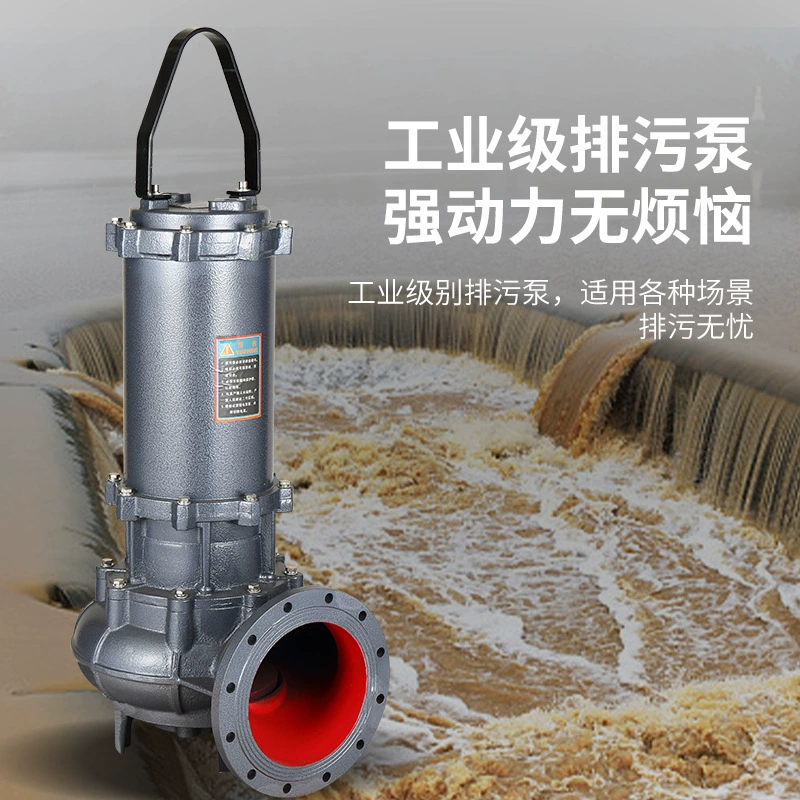
Understanding the nuances of trash pumps is essential for professionals in various industries, whether you're a purchasing manager, a product manager, or an engineer. Trash pumps are specialized pumps designed to handle solids and debris in fluids, making them critical for applications like construction, wastewater management, and municipal operations. Key buyer concerns typically revolve around performance, durability, cost, and compatibility with existing systems. This article aims to provide a comprehensive understanding of trash pumps, including key specifications to evaluate, cost factors, common problems and solutions, applications across industries, and a comparison of top models.
Understanding the Cost Factors for Wholesale Trash Pumps
Pricing for wholesale trash pumps can vary widely based on several factors. Understanding these cost determinants can aid purchasing managers in making informed decisions.
Manufacturing Complexity: The complexity of the design and the materials used significantly influence costs. Pumps with advanced features, such as variable speed controls or custom impellers, may have higher upfront costs but can offer improved efficiency and longevity.
Production Volume: Wholesale pricing often benefits from economies of scale. Larger orders typically lead to reduced per-unit costs. Buyers should consider their anticipated needs to maximize cost savings.
Customization: Many manufacturers, including Larissa Motor, offer customization options to meet specific application needs. While this can increase the initial cost, tailored features can improve performance and reduce long-term operational costs.
Shipping and Logistics: The cost of shipping can impact overall expenses, particularly for large pumps or bulk orders. Factors such as distance from the manufacturer and shipping method can affect the total cost.
Market Demand: Fluctuations in market demand can influence pricing. Understanding current market conditions and trends can help buyers negotiate better deals and anticipate future costs.
By considering these factors, buyers can better evaluate the total cost of ownership and make informed purchasing decisions.