Understanding Pressure Pump Pricing for Buyers

Get a Professional Sourcing Quote

Our pump experts will review your request and reply within 12 hours.
Choose Your Needs Optional Business Type
Customization Requirements Optional
Email
Name
Company Name & Website
Message
0/1000

pressure pump price

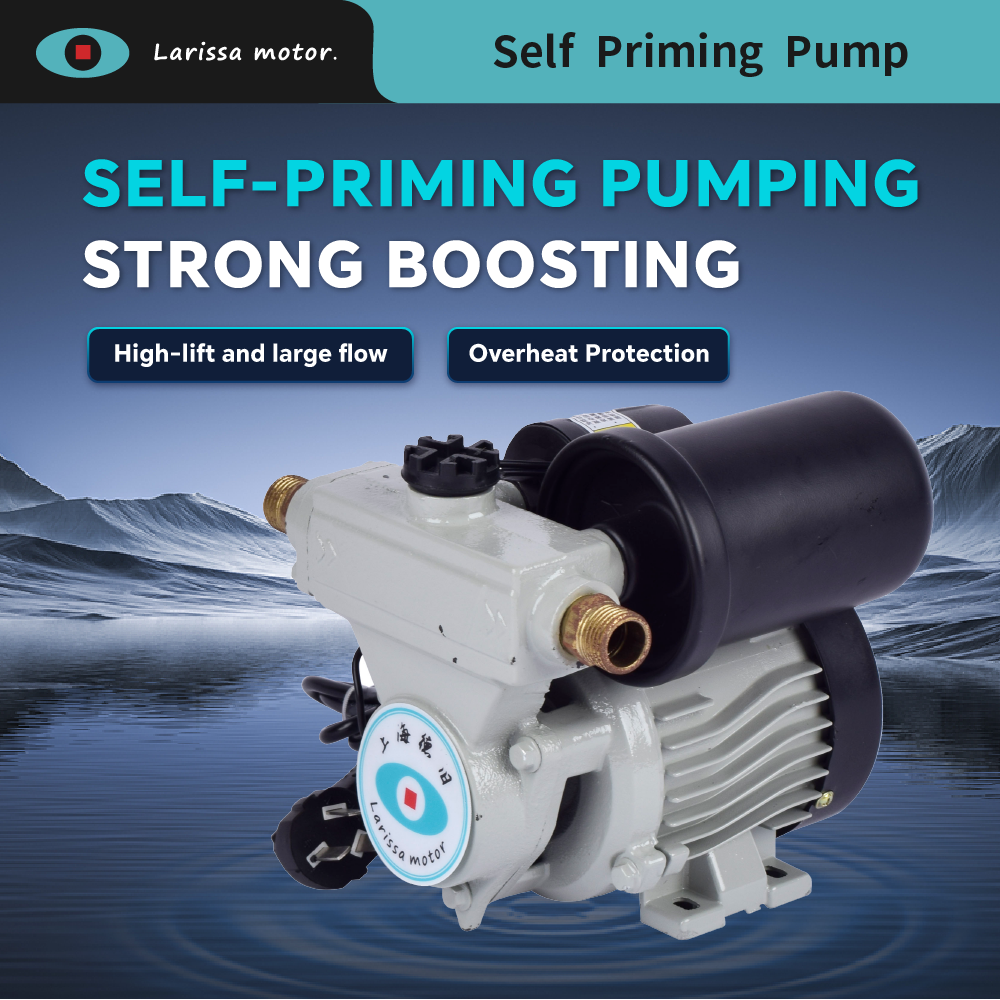
When considering pressure pumps  for various  applications, understanding their  price  is essential for effective budgeting and procurement. The term "pressure pump price" encompasses  not only the initial cost but also factors such as performance, material quality, and supplier reliability. For B2B buyers—ranging from purchasing managers to  engineers—having  a  clear grasp  of  these elements can lead to informed decisions that optimize  project  outcomes. This article will  guide you through key  specifications,  supplier  evaluation, quality assessment, pricing  comprehension, and the diverse  applications of pressure pumps in  various industries.
 
Where to Find Reliable Wholesale Pressure Pump Suppliers

Where to Find Reliable Wholesale Pressure Pump Suppliers

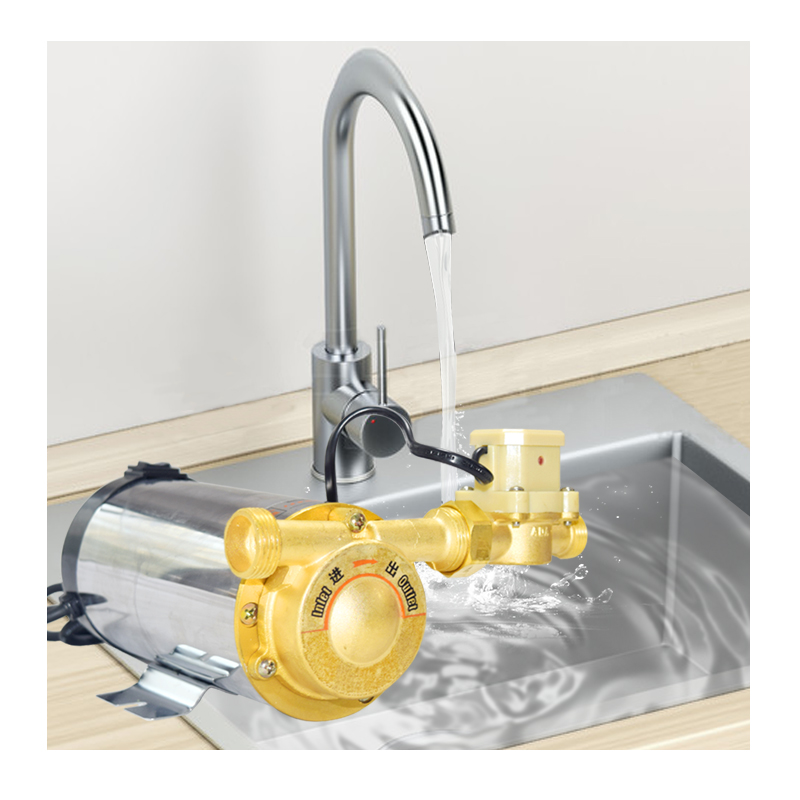
Finding  trustworthy suppliers for pressure pumps is paramount for  ensuring quality and  reliability. Here are several strategies to identify reputable  wholesale suppliers:

Industry  Directories and Trade Shows: Utilize industry-specific directories and attend trade shows  to  connect with manufacturers and wholesalers. These events provide opportunities for face-to-face discussions, allowing you to assess supplier capabilities and product offerings  firsthand.


Online Marketplaces: Platforms like  Alibaba or ThomasNet can provide access to a wide range of suppliers. Look for those with verified ratings and customer reviews to  gauge reliability and product  quality.

Networking: Engage with industry peers and professional networks. Often, recommendations from trusted colleagues can lead you to reputable suppliers who have a proven track record.

Supplier Certifications:  Verify  that  potential suppliers possess necessary certifications (such as ISO) that demonstrate adherence  to quality management standards. This  can  provide assurance regarding the  consistency and reliability of their products.

By thoroughly vetting suppliers and utilizing these resources, buyers can ensure  they are partnering with manufacturers who meet their quality and performance standards.
How to Evaluate the Quality of Pressure Pumps for Your Projects

How to Evaluate the Quality of Pressure Pumps for Your Projects

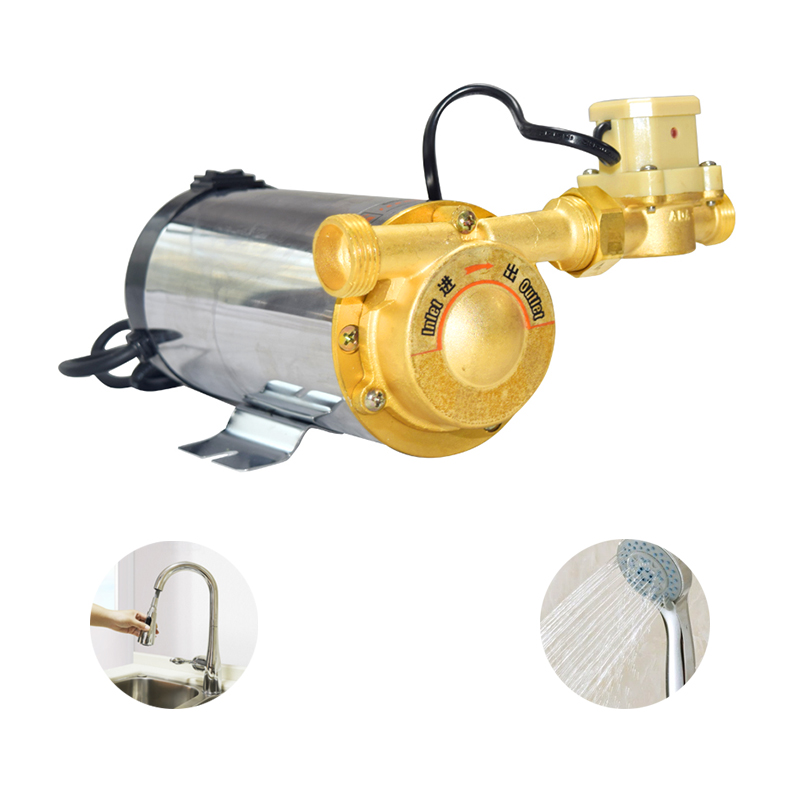
Quality assessment  is  critical when selecting pressure pumps. Here  are actionable steps  to evaluate  their quality:

Request Samples: Before committing to a bulk order, request samples. Testing these samples under actual operating conditions allows you to  assess their performance, durability, and compatibility with your systems.

Review Technical Specifications: Ensure that the pump's specifications align with your project requirements. This includes verifying flow rates, pressure ratings, and  material construction.

Quality Control Processes:  Inquire about the manufacturer's quality  control processes. A reputable supplier should have defined quality assurance protocols  in place to regularly test their products during production.

Customer Feedback: Look for testimonials  or case studies from other customers. Positive  feedback regarding product performance  and supplier responsiveness can  indicate a reliable quality  level.

Warranty and Support: Check the warranty offered on the pressure pumps. A robust warranty along with technical support can provide peace of mind regarding product longevity and service availability.

By  following these steps, buyers can significantly reduce the risk of purchasing  subpar  products  and ensure  that they meet their operational standards.

Understanding Pressure Pump Pricing for Bulk Orders

Understanding Pressure Pump Pricing for Bulk Orders

The pricing  of pressure pumps can vary  widely based on several key factors. Understanding these factors will help you budget effectively for bulk orders:

Volume Discounts: Suppliers often provide discounts on bulk  orders. The  more units you order, the lower the unit price may become. However, always confirm  the minimum order quantity (MOQ) required to qualify for these discounts.

Customization Costs: Customization can significantly affect pricing. While tailored  solutions may better meet your needs, they may also come with added costs. Discuss  customization options early  in the  procurement process to  understand how they impact pricing.

Material and Design  Complexity: The materials selected for pump construction and the  complexity of the  design can influence costs.  For example, pumps  made from specialized materials may have  higher initial costs but offer better performance and longevity.

Lead Time: Be aware that shorter lead  times may incur additional costs. If you require quick delivery, suppliers may charge a  premium for expedited production.

Freight and Shipping Costs: Finally, consider logistics. Shipping costs can vary based on location, weight, and  delivery speed. Always check if the pricing includes shipping or if it will be an added expense.

By understanding these pricing factors, buyers can effectively negotiate and budget for pressure pump purchases that align with  their project requirements.

Applications of Pressure Pumps in Various Industries and Projects

Pressure pumps find applications across a diverse range of  industries, demonstrating their versatility. Some notable uses include:

Agriculture: In irrigation systems, pressure pumps are essential for ensuring adequate water supply to crops, helping to enhance yield and efficiency.  Additionally, solutions like the Solar Powered Submersible Water Pump for Garden Irrigation & Small Farm Use can be highly effective in agricultural settings.

Manufacturing: Many manufacturing processes  require precise fluid delivery for cooling, lubrication, or chemical mixing.  Pressure  pumps ensure consistent  performance in  these applications.

Energy Sector: Pressure pumps are used in  oil and gas extraction, assisting in transporting fluids from deep  wells to the surface. Their reliability is critical in these high-stakes environments.

Construction: In construction, pressure pumps facilitate  tasks such as  concrete pouring and water supply management on job sites, contributing to operational  efficiency.

HVAC Systems: Pressure pumps are  vital for circulating water  in heating and cooling systems, ensuring comfort and  energy efficiency  in residential  and commercial buildings.

Understanding the  applications of pressure  pumps helps buyers select the right product for their specific needs, ensuring optimal performance and operational  effectiveness.

By considering these insights into pressure pump specifications, sourcing, quality evaluation, pricing, and applications, B2B buyers can make informed decisions that align with  their operational goals.

Key Specifications to Consider

When evaluating pressure pumps, several key specifications should be  prioritized to ensure optimal performance and compatibility with your application. These include:

Flow Rate: The flow rate determines how much fluid the pump can move in a given time. It’s typically measured  in liters per minute (L/min) or gallons per minute (GPM). Selecting a  pump with the right flow rate is crucial; if it's too low,  you may not meet operational demands, while a too-high flow rate could lead to  inefficiencies and increased costs.

Pressure Rating: This indicates the maximum pressure  the pump can handle, measured  in pounds per square inch (PSI) or bar. Understanding the  pressure requirements of your application is vital, as exceeding the pump's capacity  can lead to failure and unscheduled downtimes.

Material Construction: The materials used in the pump's construction significantly affect durability and resistance to corrosion or abrasion. Common materials include stainless  steel, cast iron, and various plastics. Selecting the right material is essential based on the type of fluid being pumped and  the environmental  conditions.

Motor Type: Pumps  may be equipped with electric, hydraulic, or gas motors. The motor type will influence operational costs, maintenance needs, and overall efficiency.

Customization Options: Many suppliers, including Larissa Motor, offer customizable features to tailor pumps to specific operational needs. This could involve alterations in size, pressure rating, or  materials used based on  your project requirements. For instance, consider looking into the DC CPM Centrifugal Water Pump for Solar Irrigation & Agricultural Water Transfer for tailored solutions.

Understanding these specifications helps buyers  make  better choices, ensuring the selected  pressure pump aligns with their operational needs and budget  constraints.

Get a Professional Sourcing Quote

Our pump experts will review your request and reply within 12 hours.
Choose Your Needs Optional Business Type
Customization Requirements Optional
Email
Name
Company Name & Website
Message
0/1000

Related product categories