Effluent Pumps: Sourcing and Quality Control Insights

Get a Professional Sourcing Quote

Our pump experts will review your request and reply within 12 hours.
Choose Your Needs Optional Business Type
Customization Requirements Optional
Email
Name
Company Name & Website
Message
0/1000

effluent pump

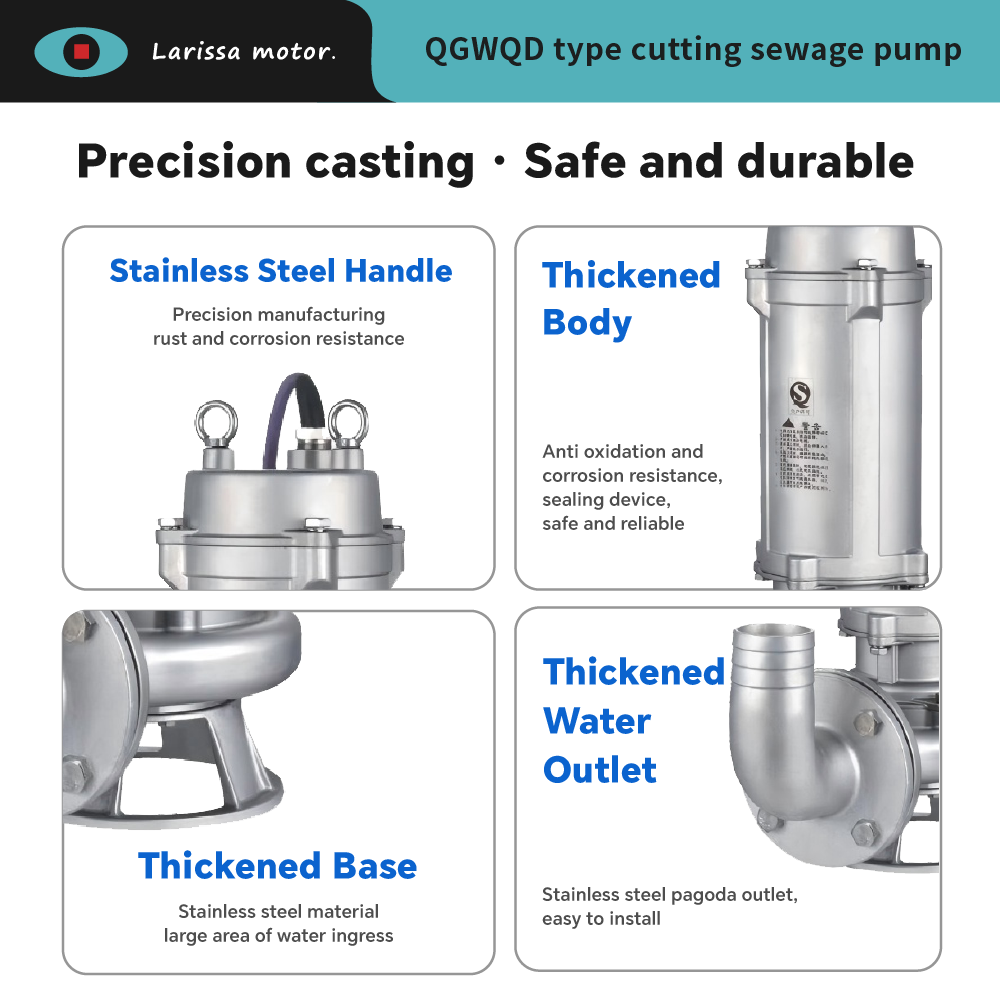
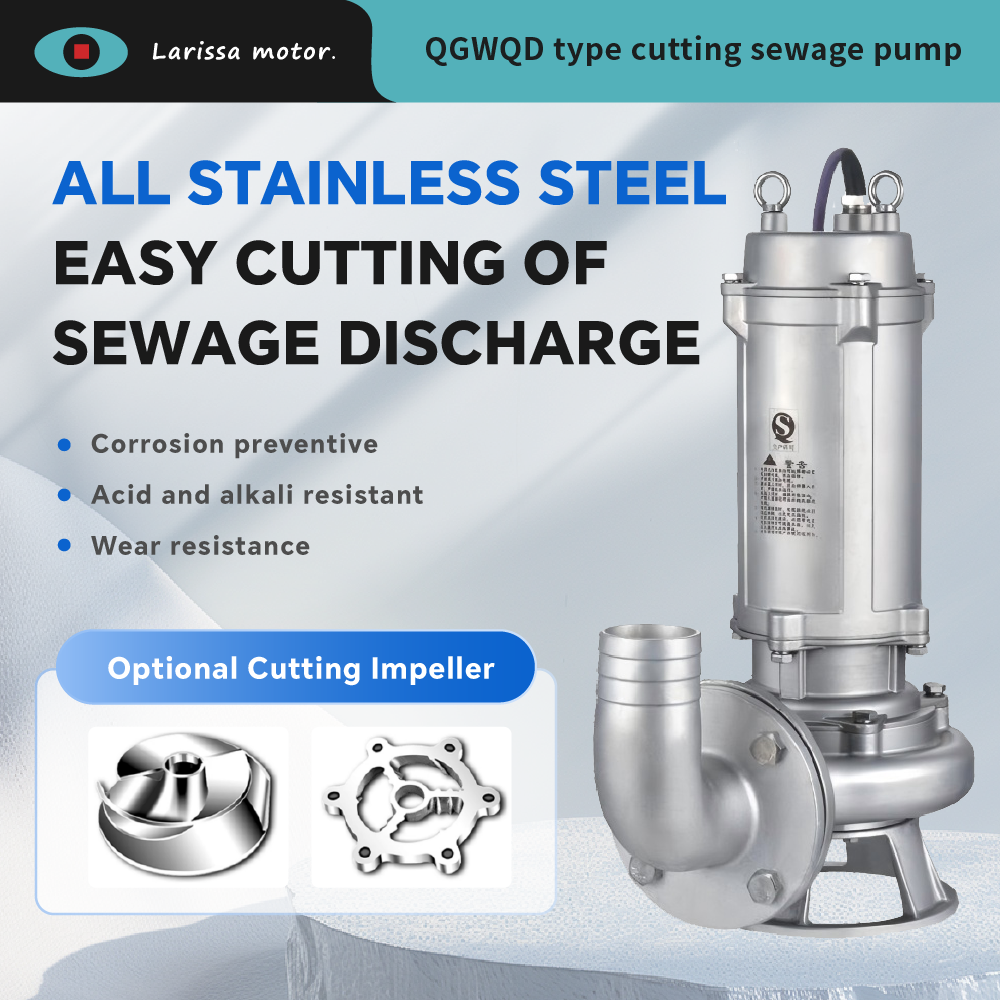
Effluent pumps  are essential components in  various  industrial and  commercial applications, designed to effectively transport  wastewater  and sewage from one  location  to  another. For  B2B buyers, key concerns often  include  reliability, performance, and  compliance with industry standards. This article will delve into critical  aspects of  sourcing, quality control, and material  selection for effluent pumps,  providing valuable insights for purchasing  managers, engineers, and  product  managers.
Best Practices and Tips

Best Practices and Tips

When purchasing effluent pumps,  there are several best  practices  to keep in mind:

Understand Your Application: Clearly define the application for which the pump  will be used. Different applications may require  different pump  types, materials, and features.

Request  Detailed Quotations: Provide  potential suppliers with  detailed information about your requirements, including pump specifications, desired performance, and any customization  needs. This helps in obtaining accurate quotations and avoiding  surprises later.

Evaluate Quality Control Processes: Ask  about the manufacturer’s quality  control processes. A reliable supplier should have robust testing procedures to ensure that each pump meets the necessary performance and safety standards.

Check for Certifications: Verify that the manufacturer holds relevant certifications that demonstrate compliance with industry  standards. This  is crucial for ensuring  the product's reliability and safety.

Consider Lead Times: Discuss  lead times early  in the purchasing process. Understand the manufacturer's capacity to meet your delivery schedule and factor this  into  your planning.
Understanding the Quality Control Process for Effluent Pumps

Understanding the Quality Control Process for Effluent Pumps

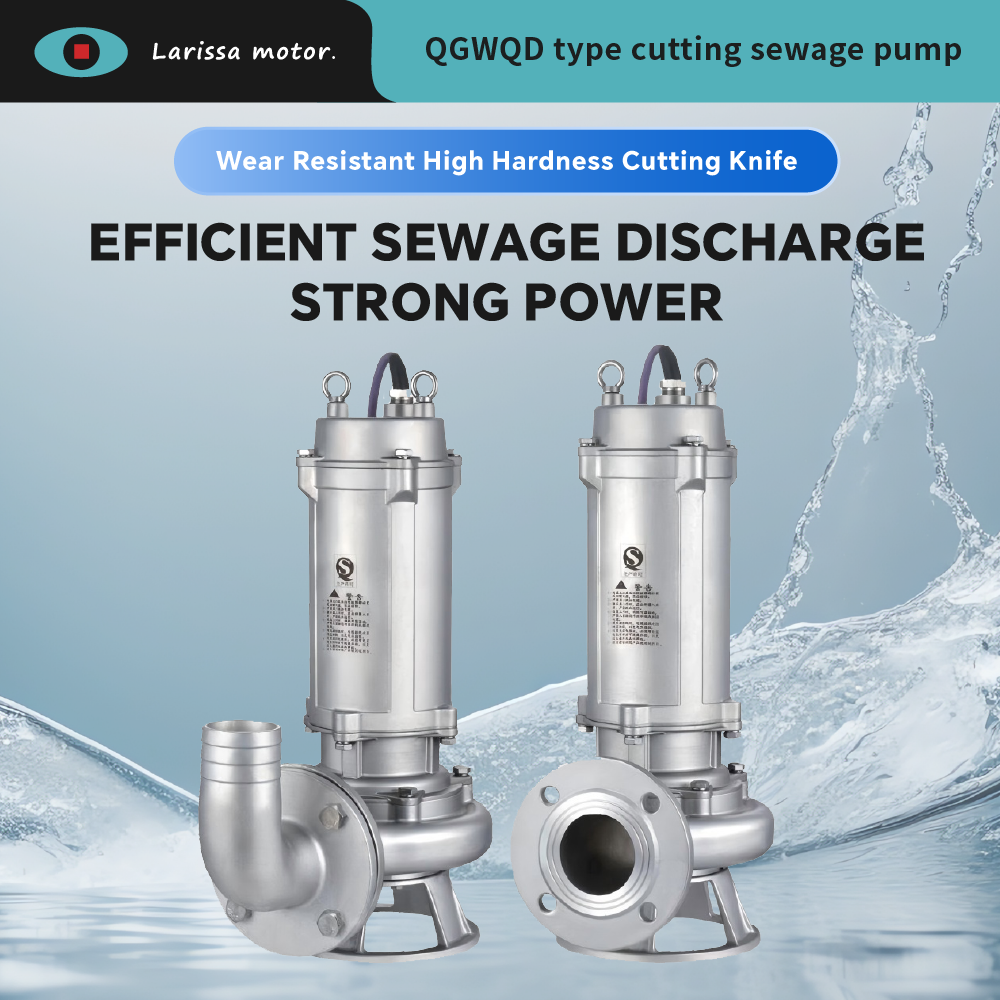
Quality control is  a critical aspect of manufacturing effluent pumps.  Buyers  should be aware that effective  quality control begins with the selection of raw materials. Manufacturers like Larissa Motor  employ stringent inspection processes  to  ensure that materials meet required specifications before  they enter production.

During the manufacturing process, various  tests should be conducted, including performance testing, pressure testing, and durability assessments. These tests help  to identify  potential issues before the products are shipped.  Additionally, a final inspection should be performed  on the finished product to confirm  that it  adheres to all specifications and quality standards.

Buyers should  inquire about the specific quality control measures employed by potential suppliers and ensure that they can provide  documentation or certifications verifying  that these processes are in place. This  not only ensures product reliability but also minimizes the risk of  operational disruptions.

A Comprehensive Overview

A Comprehensive Overview

Effluent pumps are designed to handle the transport of wastewater and other fluids that may contain solids or debris. They are commonly used in various settings, including municipal  wastewater treatment plants, industrial facilities, and residential settings.  The performance of these pumps is influenced by several factors, including:

  Pump  Type: Submersible and non-submersible pumps are the  two  main types. Submersible pumps are often used for deeper  applications,  while non-submersible pumps  are suitable for surface-level installations. Material Selection: The materials used  in the construction  of the pump significantly influence  its durability and compatibility with different fluids. Common materials include stainless steel, cast iron,  and high-density polyethylene. Motor Specifications: The power and efficiency  of the motor  affect the pump's performance. Buyers should consider pump specifications such as horsepower, voltage, and  efficiency ratings.

Understanding these factors can help  buyers make  informed  decisions  regarding which effluent pump is best suited for their needs. For example, pumps used in agricultural settings may benefit from Agricultural Water Pumps that are specifically designed for such applications.

How Material Choices Impact the Performance of Effluent Pumps

Material selection is a pivotal factor affecting the performance and longevity of effluent pumps. For instance, pumps made from  stainless steel are highly resistant to corrosion and can  handle aggressive fluids, making them ideal for industrial applications. Conversely, cast iron pumps are known for their strength and are often used in municipal settings.

When selecting materials, buyers  should consider the following aspects:

Chemical  Compatibility: Ensure  that the material is  compatible with the fluids being pumped. Incompatible materials can lead to degradation, leaks, or pump failure.

Temperature and Pressure  Ratings:  Different materials have varying temperature and pressure tolerances. It’s  important to match the material to the operational environment to  prevent breakdown.

Maintenance Requirements: Some materials may require more frequent maintenance than others. Consider the long-term costs associated  with maintaining the pump based on the material  choice.


Cost  vs. Performance:  While higher-quality materials may come at a premium,  they often result in lower overall  costs due to  reduced maintenance and longer life spans.

By carefully evaluating material options, buyers can enhance the  performance and reliability of their effluent pumps, ultimately  leading to better operational efficiency.

Where to Source High-Quality Effluent Pumps for Bulk Orders

When  sourcing effluent pumps  for  bulk  orders, it’s crucial to look for  manufacturers with a  strong reputation for quality and reliability. Companies like Larissa Motor, with their extensive  experience in producing  electromechanical products since 1998, stand out due to their commitment  to advanced  design and customization. Buyers should seek manufacturers that adhere  to international standards and have  proven capabilities in in-house development and manufacturing. Additionally, consider manufacturers that offer Solar Pumping Systems as part of their product line, as this can be indicative of their innovation and flexibility in meeting diverse needs.

Additionally, it’s  advisable  to request product samples before committing  to a large  order. This allows for testing under actual conditions to ensure the pump meets the  specific requirements of the intended application. Consideration of the manufacturer's production capacity is also important; ensure  they  can meet your volume needs within your desired  timeframe.

Get a Professional Sourcing Quote

Our pump experts will review your request and reply within 12 hours.
Choose Your Needs Optional Business Type
Customization Requirements Optional
Email
Name
Company Name & Website
Message
0/1000

Related product categories