Motor for Water Pump in House Applications

Get a Professional Sourcing Quote

Our pump experts will review your request and reply within 12 hours.
Choose Your Needs Optional Business Type
Customization Requirements Optional
Email
Name
Company Name & Website
Message
0/1000

motor for water pump in house

When  selecting a motor  for water pump  in house applications, buyers must consider  a range of  specifications,  performance capabilities, and application requirements. The right  motor not only impacts the  efficiency and reliability of  the water pumping  system but  also  affects  long-term operational costs  and maintenance needs.  This article aims to  provide essential insights into the specifications and features of  water pump motors,  common purchasing considerations, potential issues,  and  practical applications, helping buyers make informed decisions.
Key Features of Water Pump Motors for Homes

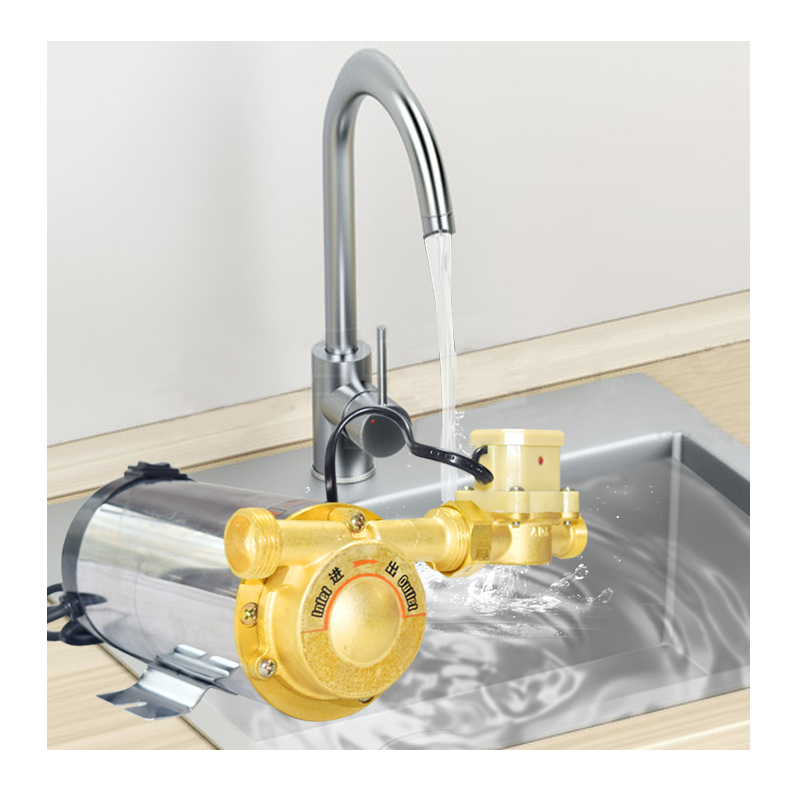
Key Features of Water Pump Motors for Homes

A motor for water pump in house applications should exhibit several key features that  contribute to its performance and suitability  for residential  use:

Advanced Design: Modern motors often  feature  designs that improve thermal management and reduce noise levels, contributing to a more pleasant home environment.

Customization: Many manufacturers offer  customization options, allowing buyers to specify unique requirements such as motor  size, mounting configurations, and power ratings  tailored to  specific applications. This can be especially useful when selecting motors for Solar Pumping Systems.

Stable  Performance: Motors must deliver consistent performance under varying conditions.  Look  for features like  overload protection and thermal  cutoffs that  safeguard the  motor from  damage during prolonged  use or unexpected conditions.

Ease of Installation: A user-friendly design can simplify installation. Motors  with standardized mounting options and integrated wiring systems can expedite the setup process, reducing labor costs.
What to Expect When Purchasing Water Pump Motors

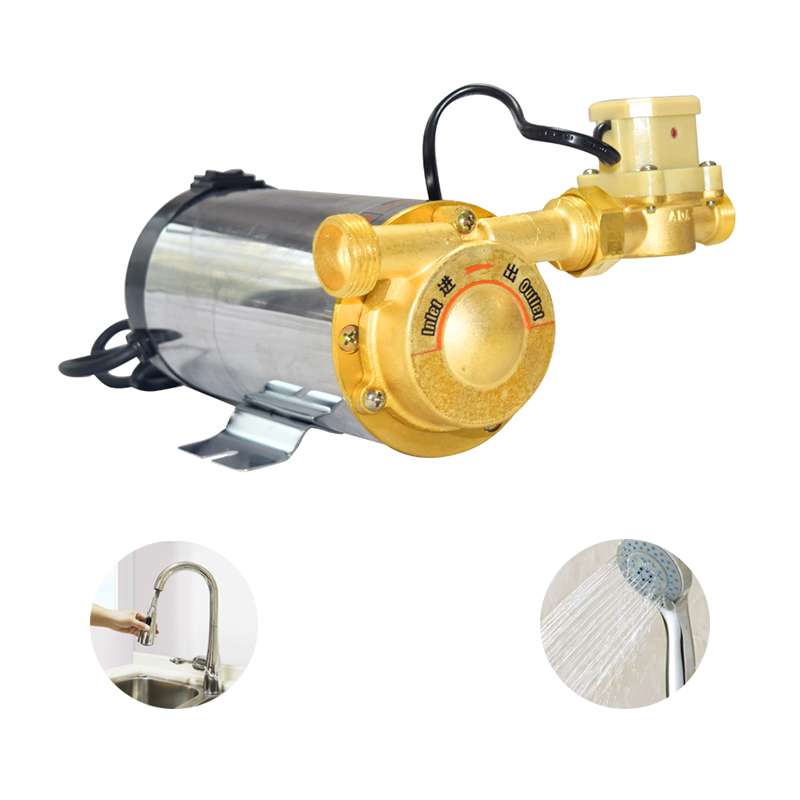
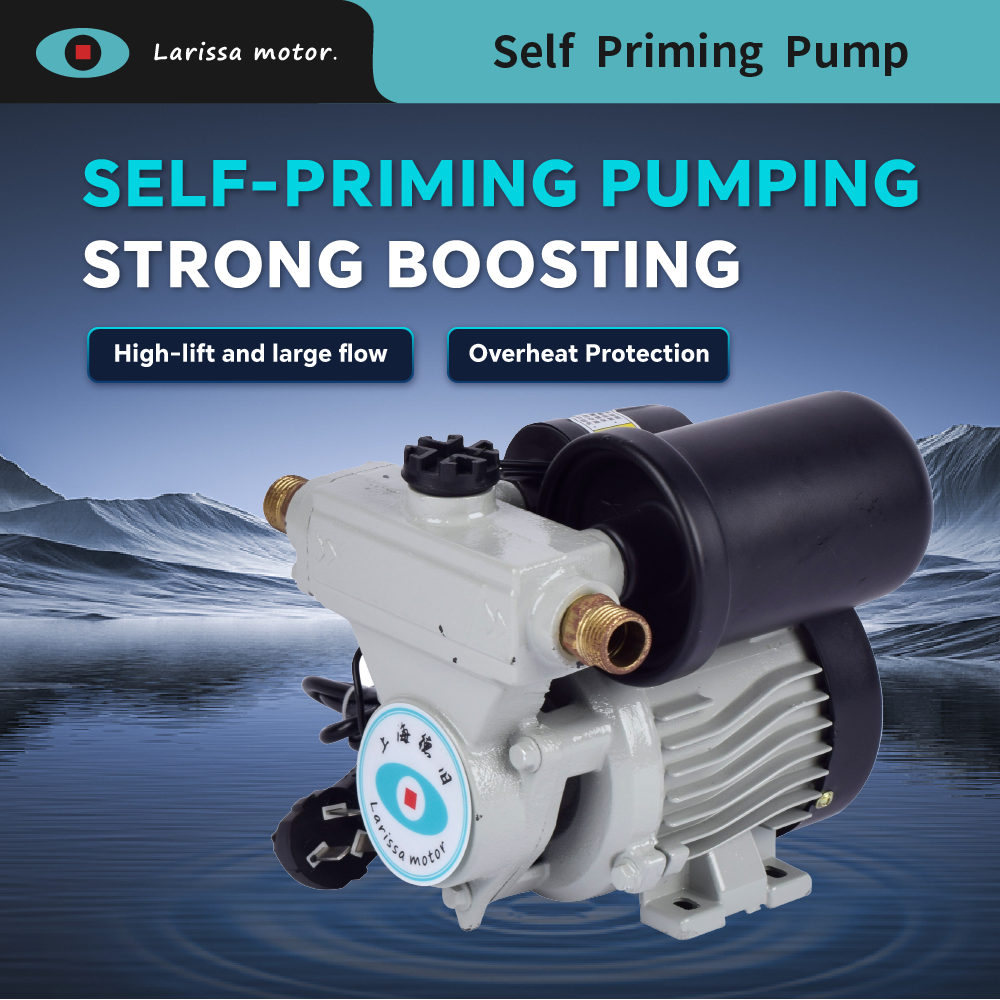
What to Expect When Purchasing Water Pump Motors

When purchasing a motor for water  pump in house applications, buyers  should be prepared to provide detailed information to suppliers to ensure the  right product  selection. Essential  factors to  communicate include:

Application Requirements:  Clearly describe the intended use of the  motor, including the water source, expected flow  rates, and head  pressure requirements.

Technical Specifications: Provide technical  specifications such as desired power output, voltage, and efficiency ratings. This information helps suppliers  recommend  suitable models.

Quantity and Lead Time: Inform suppliers of the quantity needed and any  critical deadlines. Understanding  lead times and  minimum order quantities  (MOQ) can significantly impact project planning.

Budget Considerations: Discuss budget constraints openly,  as this can influence material choices,  motor specifications, and customization  options.

Common Problems with Water Pump Motors and Their Solutions

Common Problems with Water Pump Motors and Their Solutions

Understanding common issues  associated with  water pump  motors can help buyers  mitigate potential problems:

Overheating: Motors may overheat  due to insufficient ventilation or excessive load. Ensure proper installation with adequate airflow and verify that the motor is suited for the intended application.

Electrical Failures: Issues such as short circuits or voltage fluctuations can lead to motor failures. Regular electrical inspections and using motors with built-in protection features can help prevent these problems.

Mechanical  Wear: Bearings  and  seals may  wear over  time,  leading  to leaks  or reduced efficiency. Regular maintenance  checks  and timely replacements of worn parts can  extend the motor's lifespan.

Noise  and Vibration: Excessive noise or  vibration can indicate misalignment or imbalance.  Routine maintenance and alignment checks can help address  these issues before they escalate.

Exploring Application Scenarios for Home Water Pump Motors

A motor for water pump  in house applications can serve various scenarios, each with unique requirements:

Irrigation Systems: For garden  and landscape irrigation, motors must handle variable flow rates  and pressures. Buyers should  look for motors that can adapt to different watering schedules and systems, especially for Irrigation Pumps.

Domestic Water Supply: In residential settings,  motors must provide consistent water pressure for household  use. It’s critical to choose  a motor that can handle peak demand without significant  drops  in performance.

Sump Pumps: These motors are often used in basements to remove excess water. Durability  and reliability are paramount, as failure can lead to flooding and  property damage.

Pool and Spa Circulation: Motors used in swimming pools must operate efficiently and quietly, often requiring specific  features such  as energy-efficient designs and corrosion-resistant materials.

Selecting the right motor  for water pump applications in homes involves understanding key specifications, features, and  common issues. By considering these factors  and  communicating effectively with suppliers,  buyers can ensure they  choose a motor  that meets their needs and provides reliable performance for years to come.

Understanding Motor Specifications for Water Pumps in House Applications

When evaluating a motor  for water pump in house applications, understanding the key specifications  is crucial. Essential motor specifications typically include power output (measured  in horsepower or kilowatts), voltage requirements, and efficiency ratings.

Power Output: The power output must  match the water pump's  requirements to ensure optimal performance. Underpowered motors may lead to inadequate  water flow, while overpowered motors can lead to increased energy costs  and potential damage to the pump.

Voltage Requirements: Motors are  available in various voltage  configurations, such as 120V, 240V,  or three-phase systems. It's essential to choose  a  motor  that matches the available electrical supply to avoid operational issues.

Efficiency Ratings: High-efficiency motors (such as those rated by the NEMA  Premium standard) reduce operational costs and environmental impact. Buyers should evaluate the  efficiency rating during the selection process, as this can significantly influence  long-term energy costs.

Durability and Materials: The construction  materials  of  the motor affect its longevity and reliability.  For example, corrosion-resistant materials are vital in environments with high humidity or exposure to water. If you're considering a motor for applications like Agricultural Water Pumps, these factors become even more significant.

Frequently Asked Questions

What models of motor for water pump in house are available?

Larissa Motor offers multiple models with varying power, speed, and mounting options. We provide standard and customized motors to suit household pump sizes and performance needs.
Yes. Our motors are designed for common household pump types and can be customized for specific pump interfaces and electrical requirements.
Expect stable performance with advanced design for reliable operation and good energy efficiency suitable for continuous residential use.
Yes. Larissa Motor provides in-house development and manufacturing to customize power, mounting, shaft, and electrical specifications for your installation.
Since 1998 we produce electromechanical products meeting international standards, ensuring quality, durability, and compliance for global markets including Europe.

Get a Professional Sourcing Quote

Our pump experts will review your request and reply within 12 hours.
Choose Your Needs Optional Business Type
Customization Requirements Optional
Email
Name
Company Name & Website
Message
0/1000

Related product categories