EN
EN
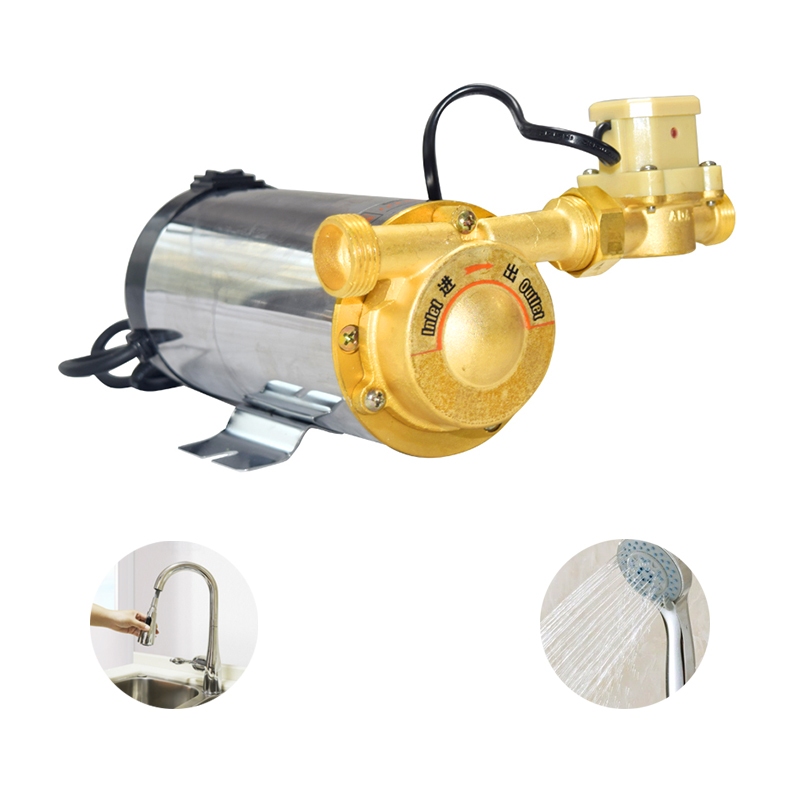
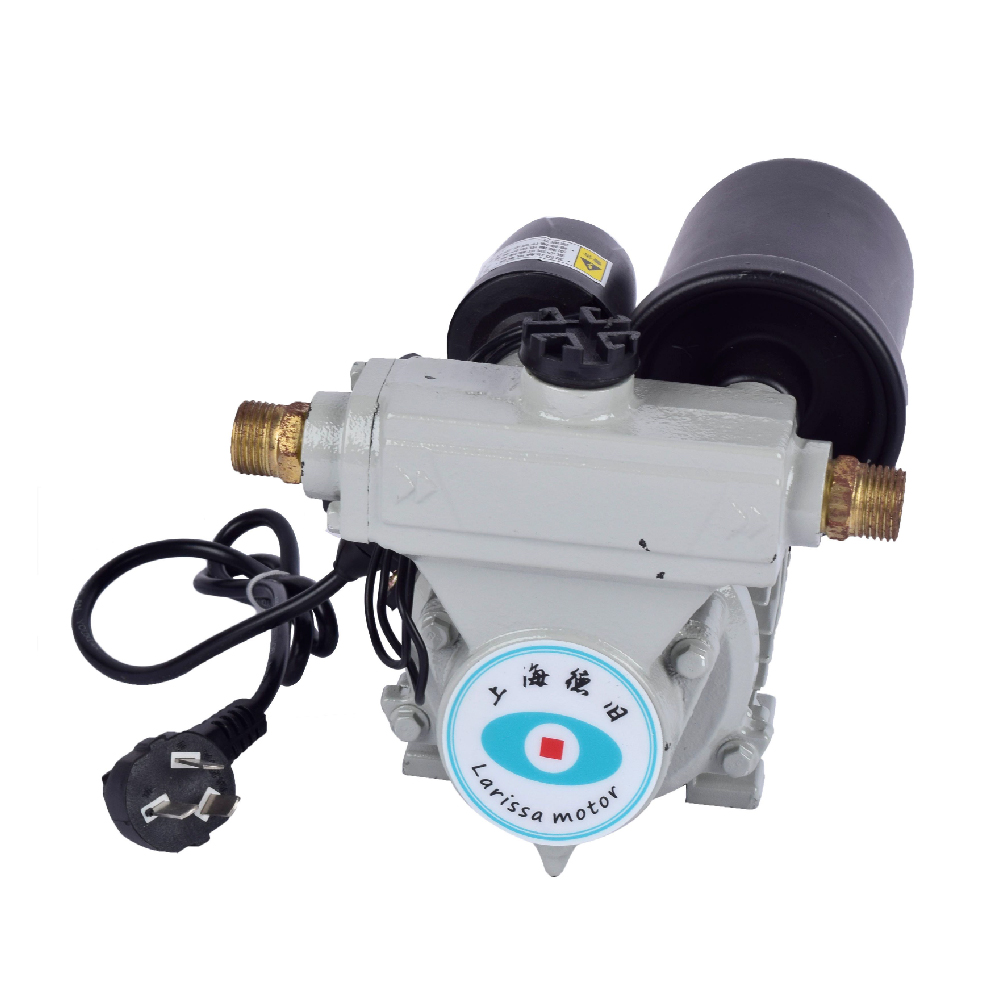
Pressure pumps for showers are essential components in enhancing water flow and pressure in bathroom systems. In the B2B sector, purchasing managers, engineers, and product managers need to ensure that they select the right pressure pump for their specific applications. Key considerations include product specifications, supplier reliability, pricing structures, and common operational issues. This article aims to guide you through the critical aspects of sourcing and evaluating shower pressure pumps, helping you make informed purchasing decisions.
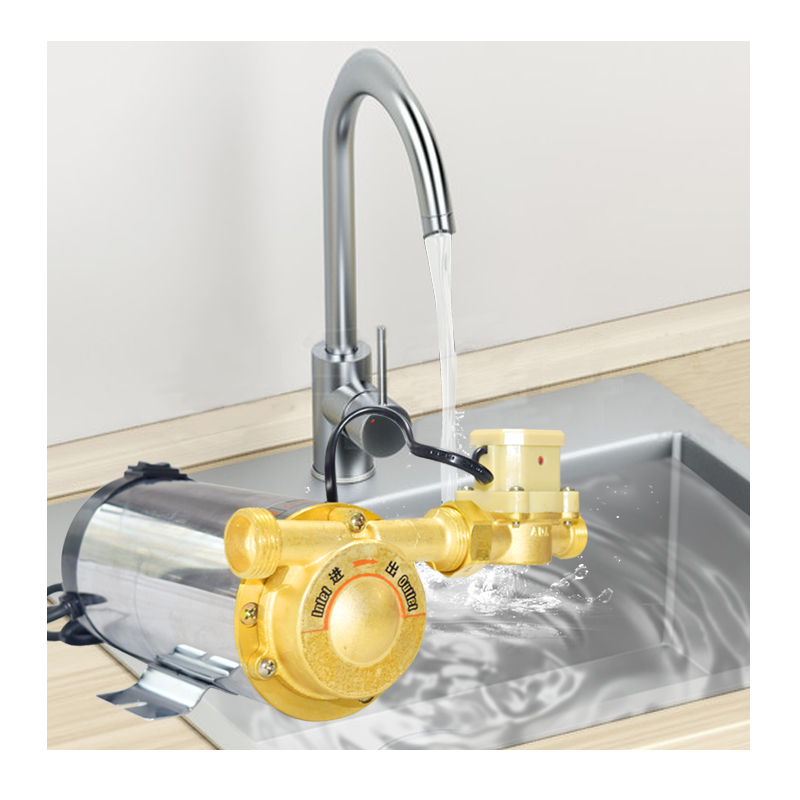
Key Specifications to Consider for Shower Pressure Pumps
When selecting a pressure pump for a shower, several key specifications must be evaluated:
Flow Rate: This is the volume of water the pump can deliver over a specific period, usually measured in liters per minute (L/min). Ensure that the flow rate matches the demands of your shower system to maintain optimal performance.
Pressure Rating: The pressure rating indicates the maximum pressure the pump can achieve. It is crucial to select a pump that can deliver adequate pressure for a satisfying shower experience without causing damage to the piping system.
Motor Power: The power of the motor affects both the efficiency and performance of the pump. Typically measured in watts, a more powerful motor can handle higher demands but may also require a more robust electrical supply.
Materials: The construction materials of the pump influence its durability and resistance to corrosion, particularly in humid environments. Common materials include stainless steel and high-grade plastics, which offer longevity and reliability.
Noise Level: In residential applications, noise can be a concern. Look for pumps designed with noise reduction features to ensure a quieter operation.
Understanding these specifications will help you align the product with your application requirements, ensuring that you avoid common pitfalls such as inadequate pressure or flow that could affect user experience.