EN
EN
In the evolving landscape of renewable energy, pumps and solar systems play a crucial role in optimizing efficiency and performance. For B2B buyers, understanding the specific applications and requirements for these pumps is essential in making informed purchasing decisions. This article will delve into the various applications of pumps in solar energy systems, key considerations for buyers, sourcing options, cost factors, and common challenges that may arise in solar pump systems.
What Buyers Need to Know
When purchasing pumps for solar applications, there are several critical factors to consider:
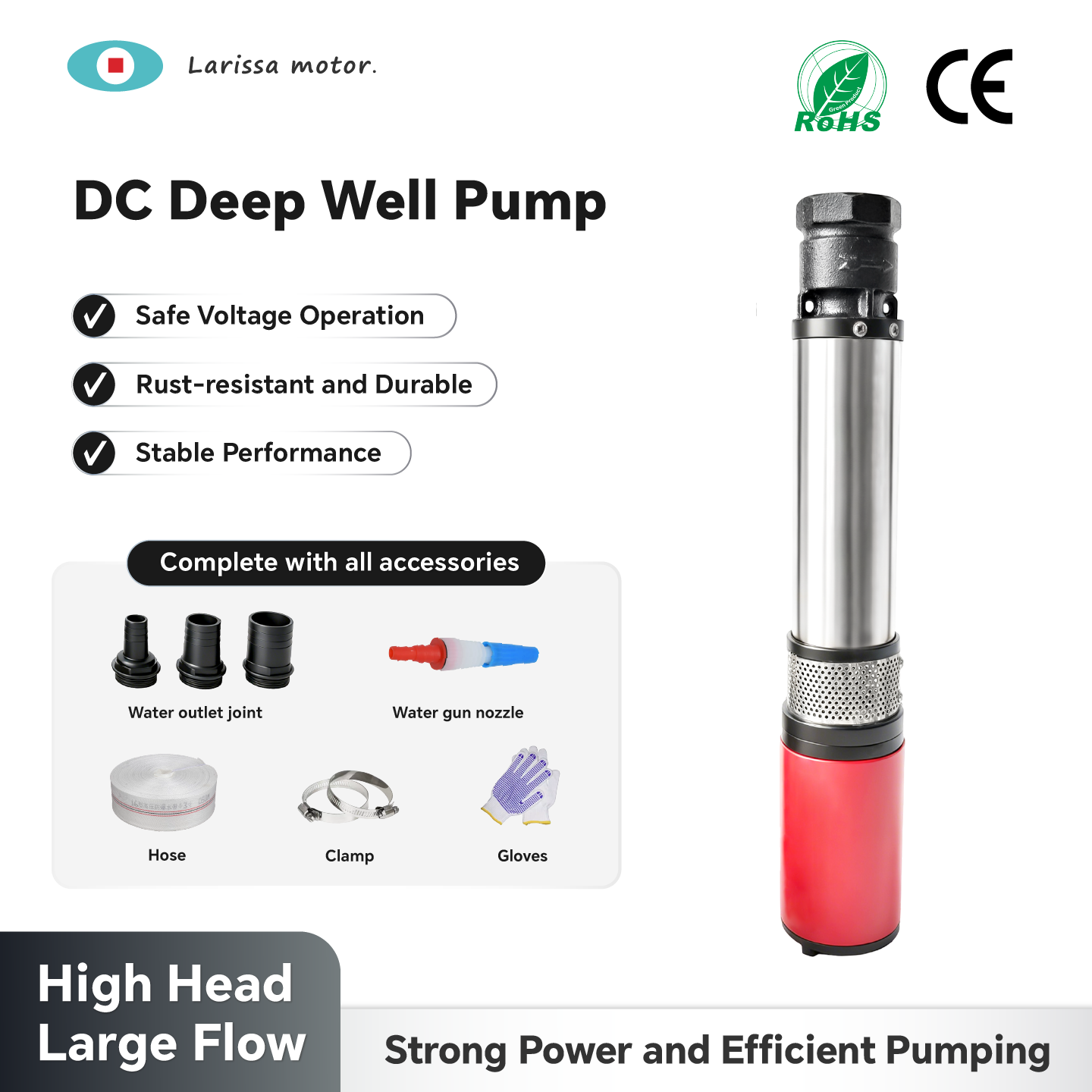
Product Specifications: Buyers should assess the technical specifications of pumps, including flow rate (measured in liters per minute or gallons per minute) and head height (the maximum height the pump can raise water). These factors determine the pump's suitability for specific applications.
Material Selection: The materials used in pump construction must be compatible with the fluids they will handle. For instance, stainless steel and high-grade plastics are preferred for their corrosion resistance and durability in various environments.
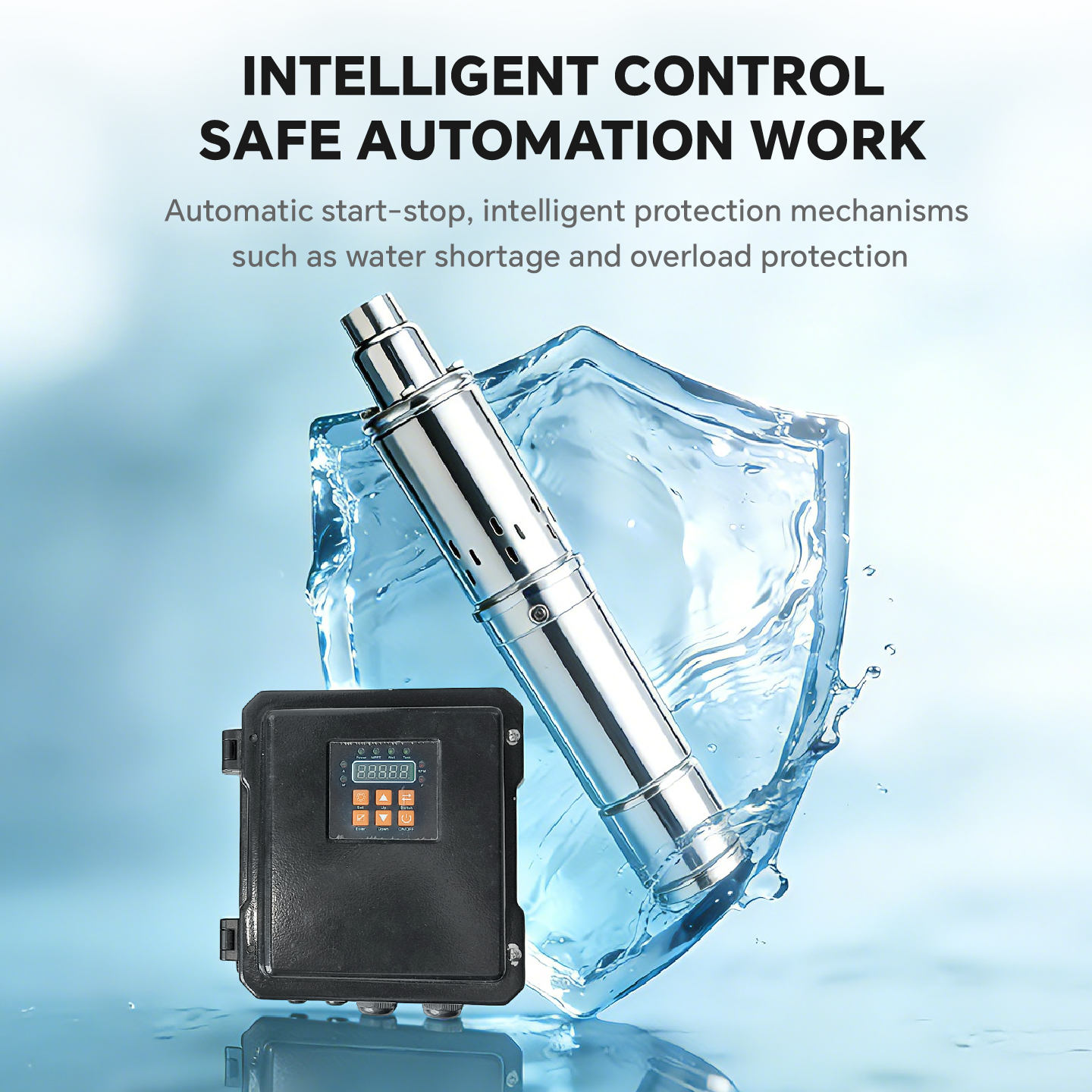
Customization Options: Many manufacturers, like Larissa Motor, offer customization capabilities, allowing buyers to tailor pumps to specific operational requirements. This includes size, motor type, and control systems.
Quality Certifications: Ensure the pump meets international quality standards, which can be verified through certifications. This guarantees reliability and performance in demanding conditions.
Lead Times and Minimum Order Quantities (MOQ): Understanding lead times for production and MOQ is essential for planning procurement and ensuring timely project execution.