Key Specifications for Sunlight Pumps in Wholesale

Get a Professional Sourcing Quote

Our pump experts will review your request and reply within 12 hours.
Choose Your Needs Optional Business Type
Customization Requirements Optional
Email
Name
Company Name & Website
Message
0/1000

sunlight pump

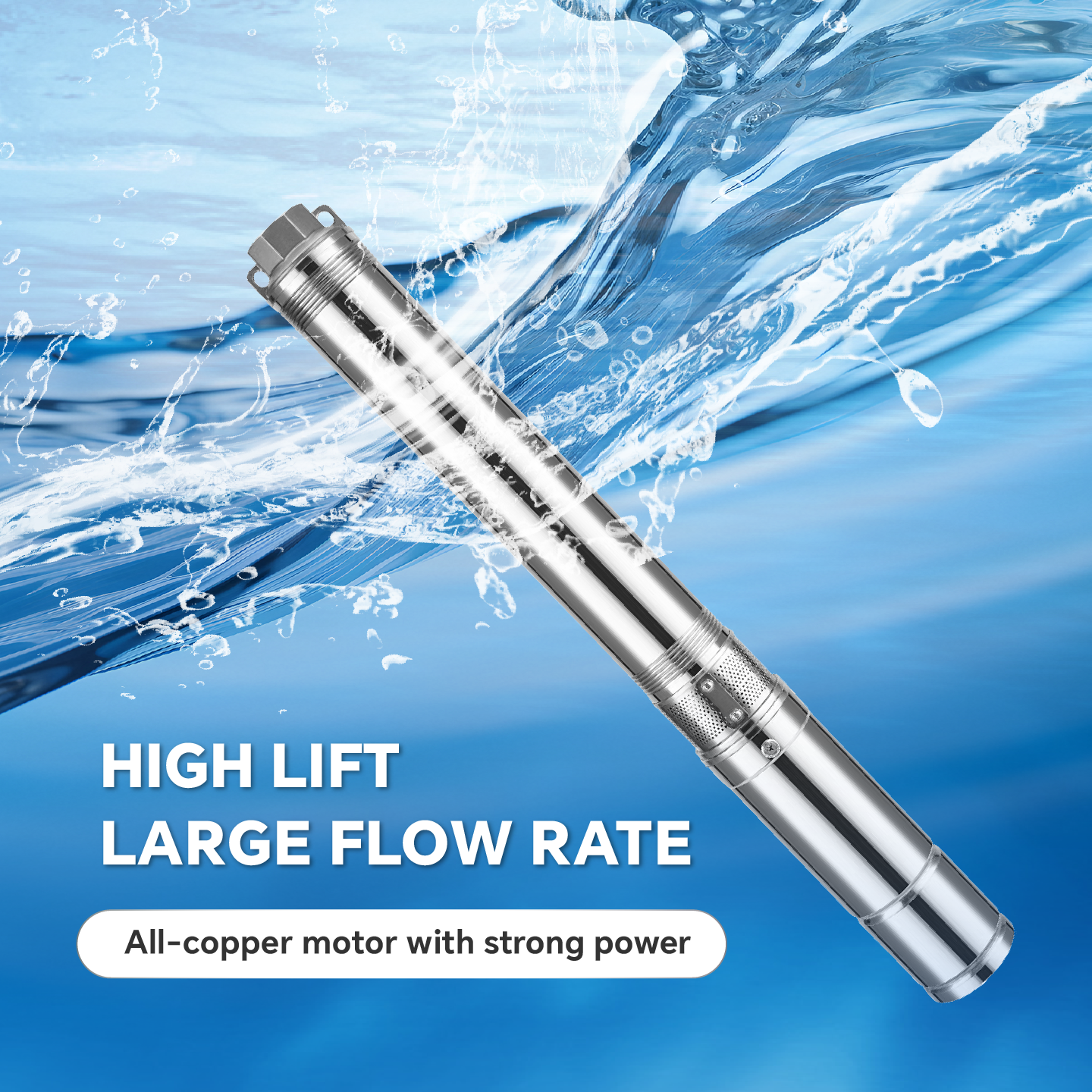
Sunlight  pumps are  essential electromechanical devices  utilized  across various  industrial  applications, designed to efficiently  transfer fluids in diverse environments. When purchasing  these pumps, B2B buyers, including purchasing managers and engineers, often face critical concerns regarding performance, reliability, and  compatibility with their specific systems.  This article  aims  to provide a comprehensive understanding of sunlight pumps,  focusing  on key specifications,  installation challenges, quality  control  standards, applications, and supplier evaluation  to  aid  in making informed purchasing decisions.
Common Installation Challenges with Sunlight Pumps and Solutions

Common Installation Challenges with Sunlight Pumps and Solutions

Installing sunlight pumps can present several challenges that, if not addressed, may hinder performance or lead to premature failures.


Space Limitations: One common issue is the lack of adequate space for installation. Buyers  should assess the physical dimensions  of the pump  and ensure that there is enough room for  both the pump and necessary piping. In some  cases, custom mounting solutions may be required to fit the pump within  existing infrastructure.

Aligning with Existing Systems: Ensuring compatibility with existing  piping and systems can be challenging.  It is essential to  verify that the  pump's inlet and  outlet dimensions match those of the existing system to avoid leaks or inefficiencies. If discrepancies arise, custom adapters or fittings may be necessary.

Vibration and Noise: Sunlight pumps  can generate vibrations and noise during operation, which may affect nearby equipment or working  conditions. Proper securing  and mounting of the pump can minimize these issues. Additionally, utilizing vibration dampeners can further reduce noise levels.

Electrical Connections: Ensuring proper electrical connections can be a hurdle, especially  with different  power supply requirements. Buyers should consult the pump specifications to understand the  required voltage and  current, and confirm that the electrical infrastructure can support  these needs.
Quality Control Standards for Sunlight Pump Manufacturing

Quality Control Standards for Sunlight Pump Manufacturing

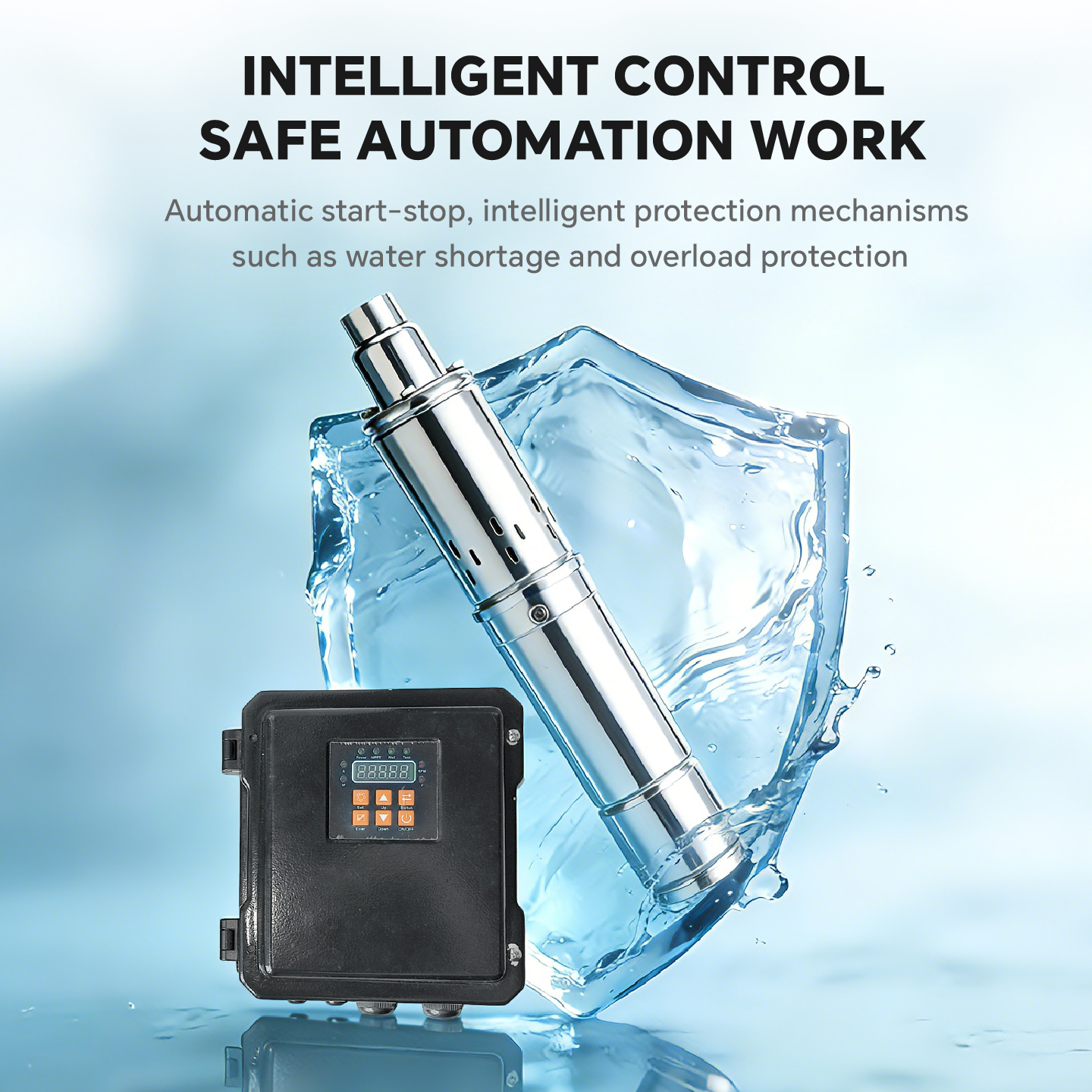
Quality control is paramount  in the manufacturing of sunlight pumps to ensure they meet performance and safety standards. 

Material Inspection: Before  production begins, raw materials  undergo thorough inspections  to  verify their quality and suitability for  the intended application. This includes checking  for chemical composition, physical properties, and adherence to industry standards.

In-Process  Testing: During the manufacturing process, various tests are  conducted to monitor the quality of the pumps. This may include pressure testing, flow rate testing, and  dimensional checks to ensure that each  component meets specifications.


Final Quality Assurance: Before shipment, finished pumps undergo a final quality assurance  inspection. This step typically includes functional testing to  confirm that  the pump operates correctly under specified conditions. Documentation of these  tests is essential for traceability and compliance.

Certifications: Buyers should inquire about relevant certifications, such as  ISO standards, that the manufacturer adheres to. These certifications  can provide assurance regarding the manufacturer's commitment to quality and consistency in  production.

Applications of Sunlight Pumps in Various Industrial Sectors

Applications of Sunlight Pumps in Various Industrial Sectors

Sunlight pumps are versatile  and  find applications across multiple industrial sectors.

Agriculture: In agricultural settings, sunlight pumps are used  for irrigation and water management, helping  to  optimize water usage and improve crop yields. Their efficiency in transferring water  from sources to fields is critical for successful farming operations. For efficient irrigation, consider our Portable Solar Water Pump for Farm Irrigation & Remote Area Water Transfer.

Chemical Processing: In  chemical  industries, these pumps handle various  fluids, including corrosive and hazardous materials. The ability to customize the  pump's  materials and specifications ensures  compatibility with specific chemicals,  safeguarding both the pump  and the surrounding environment.

Construction: Sunlight pumps are  commonly used in construction sites for dewatering applications, helping to manage groundwater  levels. Their portability and reliability  make them ideal for temporary setups where water removal is necessary.

Food and Beverage: In  the food industry, pumps must meet  stringent hygiene standards. Sunlight  pumps designed for food applications are typically made from non-corrosive materials and are easy to clean, ensuring compliance with health regulations.

Features to Look For in Suppliers

Selecting a reliable supplier for sunlight pumps  involves evaluating several  key features.


Customization Capabilities: A supplier that offers customization options can better meet the specific  needs of your application.  This may include variations in size, material, and performance specifications.

Production Capacity: Understanding a supplier's production capacity helps determine whether they can meet your demands for bulk orders. A supplier with robust manufacturing capabilities can ensure timely deliveries, especially for large-scale projects.

Technical Support: Look for suppliers that provide comprehensive technical support, including installation guidance, troubleshooting, and maintenance advice. This support can be invaluable  in addressing any issues that arise during the  pump's  lifecycle.

Reputation and  Experience: Research the supplier's reputation in the industry. A  supplier with a proven track  record, like Larissa Motor, which has been producing high-quality electromechanical products since 1998, can offer peace of mind regarding product reliability and performance.

After-Sales Service: Evaluate the  after-sales service  offered by  the supplier, including warranty terms and repair  services. A strong after-sales support system can significantly enhance the overall value of  the purchase.


By carefully considering these factors, B2B buyers can make informed decisions when selecting sunlight pumps and  their suppliers, ensuring that their  operational needs are met efficiently and  reliably.

Key Specifications to Evaluate in Sunlight Pumps for Wholesale

When evaluating sunlight pumps, several key specifications should be considered to ensure optimal performance for your application.

Flow Rate: This specification indicates the volume of fluid the pump can move per unit of time, typically measured in  liters per minute  (L/min). A pump with an inadequate flow rate may lead to system inefficiencies or failure  to meet  operational demands. Buyers should assess their application requirements to select a pump that can deliver the necessary flow rate. For high-pressure applications, consider our Horizontal Multistage Centrifugal Pump for High Pressure Water Supply Systems.

Pressure Rating: The maximum pressure the pump can handle is crucial  for applications involving high-pressure systems. Understanding  the pressure requirements of the intended application helps prevent pump failure and ensures safety during operation.

Material  Construction:  The materials used in  the pump's construction can significantly impact its durability and performance. Common  materials include stainless steel, which  offers corrosion resistance, and thermoplastics, which  may be suitable for less demanding applications. Buyers should consider the chemical compatibility of the pump materials with the fluids they will be  handling.

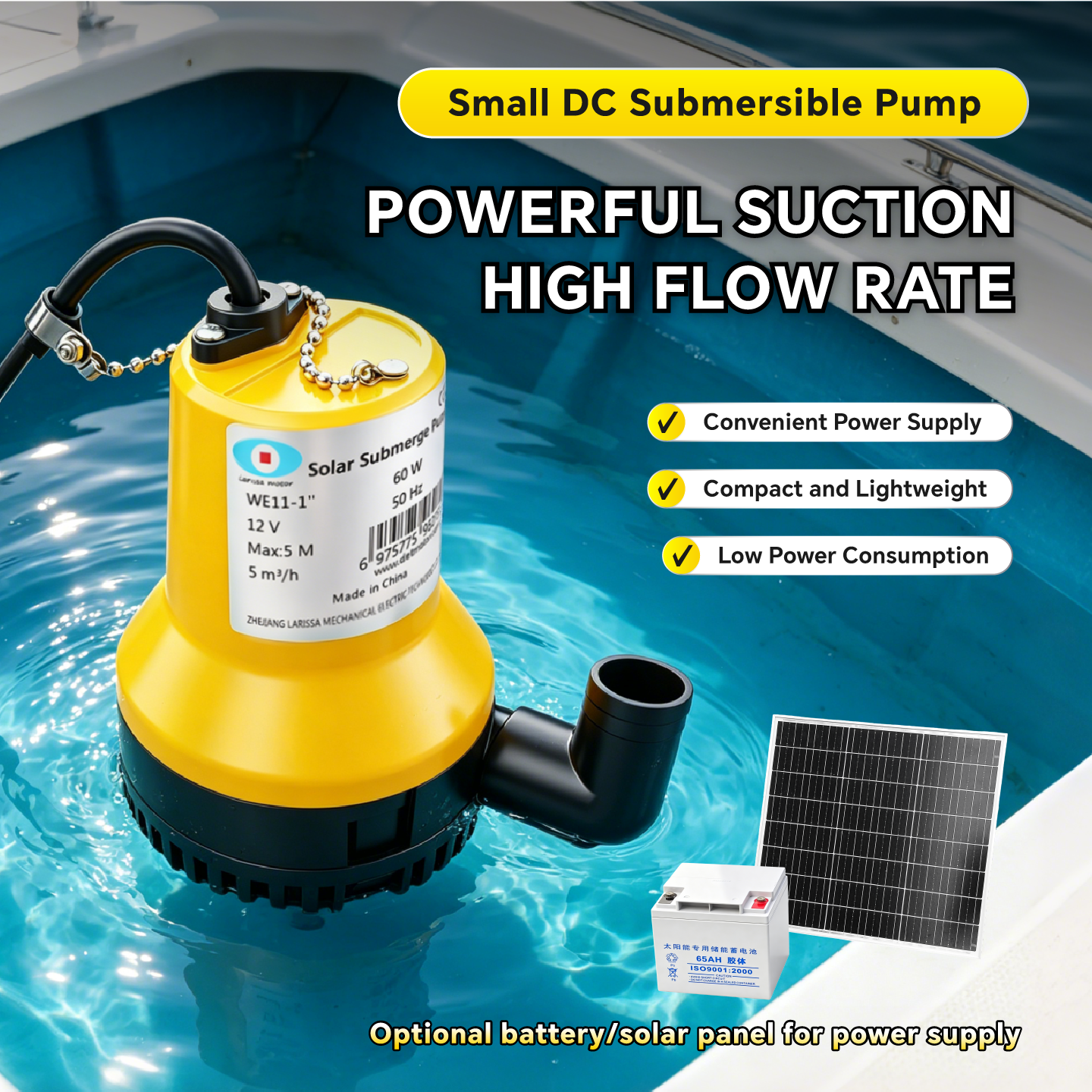
Power Supply: Sunlight pumps typically operate on AC or DC power.  Understanding the power requirements and the availability of electrical sources in your operational environment is essential for  a smooth installation process.

Dimensions and Weight: Buyers should evaluate the physical  dimensions and weight of the pump to ensure compatibility with  their installation space and equipment.  A pump that is too large or heavy may complicate  installation and maintenance.


Get a Professional Sourcing Quote

Our pump experts will review your request and reply within 12 hours.
Choose Your Needs Optional Business Type
Customization Requirements Optional
Email
Name
Company Name & Website
Message
0/1000

Related product categories