Pumps in Solar Energy Systems: Applications & Insights

Get a Professional Sourcing Quote

Our pump experts will review your request and reply within 12 hours.
Choose Your Needs Optional Business Type
Customization Requirements Optional
Email
Name
Company Name & Website
Message
0/1000

pumps and solar

In the evolving  landscape of renewable energy, pumps and  solar  systems play a  crucial role in optimizing efficiency and performance.  For B2B buyers, understanding the specific applications  and requirements  for  these  pumps  is essential  in making informed purchasing decisions. This  article will delve  into  the various  applications of pumps in solar energy systems, key considerations  for buyers,  sourcing options, cost factors, and  common challenges that  may arise in solar  pump systems.
What Buyers Need to Know

What Buyers Need to Know

When purchasing pumps for  solar applications, there are several critical factors to consider:

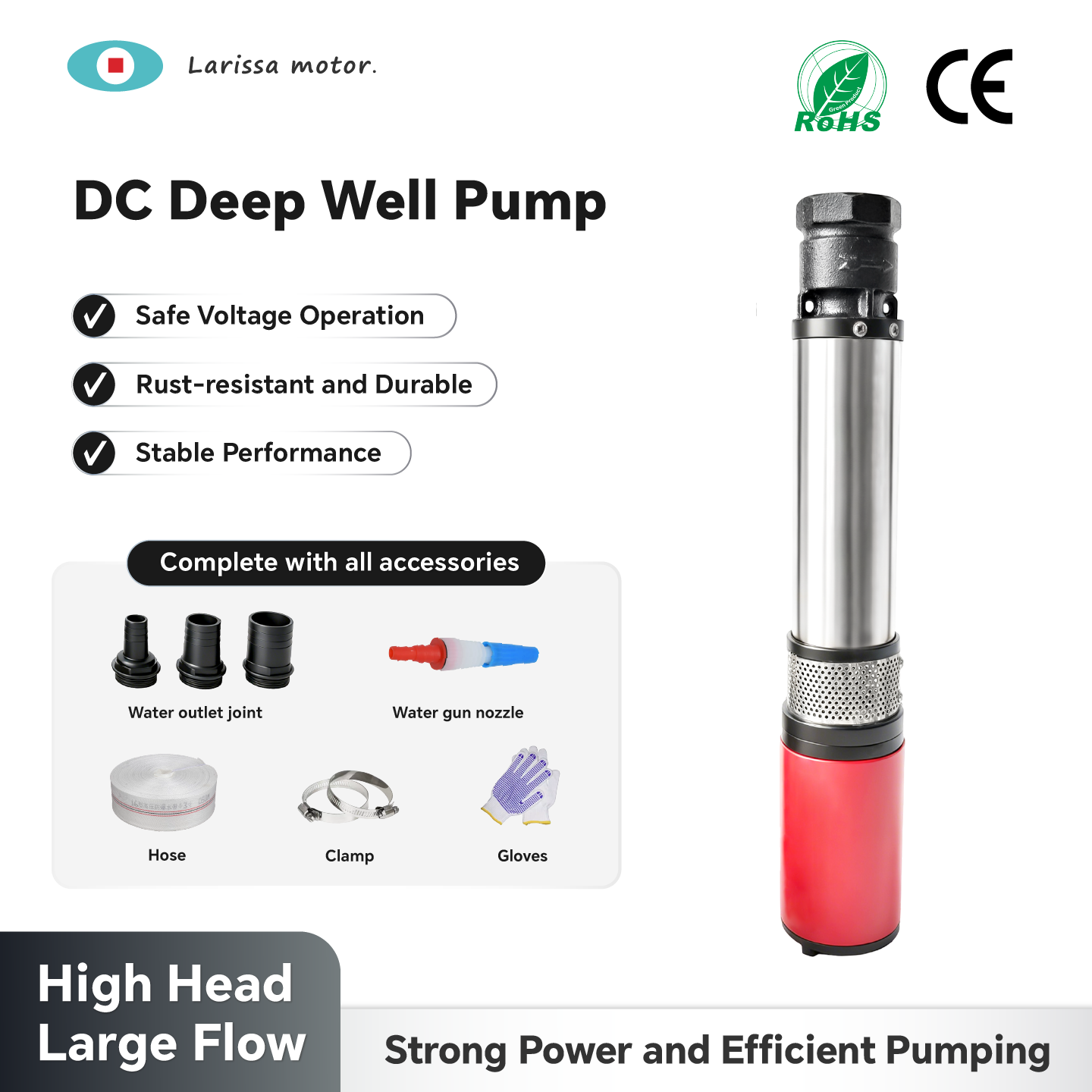
Product  Specifications: Buyers should  assess the technical specifications of  pumps, including flow rate (measured in  liters per minute  or gallons  per minute) and head height (the maximum height the  pump can raise water). These factors determine the pump's suitability for specific applications.

Material Selection: The materials used in pump construction must be compatible with the fluids they will handle. For  instance, stainless steel and high-grade plastics are preferred for  their corrosion resistance and durability in  various environments.

Customization Options: Many  manufacturers, like Larissa Motor, offer customization capabilities, allowing buyers to tailor pumps  to specific operational requirements. This includes size, motor type, and control systems.

Quality Certifications: Ensure the pump meets international quality standards, which can be verified through certifications. This guarantees reliability  and performance in demanding  conditions.

Lead Times and Minimum Order Quantities (MOQ): Understanding lead times for production  and MOQ is essential for planning procurement and ensuring timely  project execution.
Where to Source Reliable Pumps for Solar Energy Solutions

Where to Source Reliable Pumps for Solar Energy Solutions

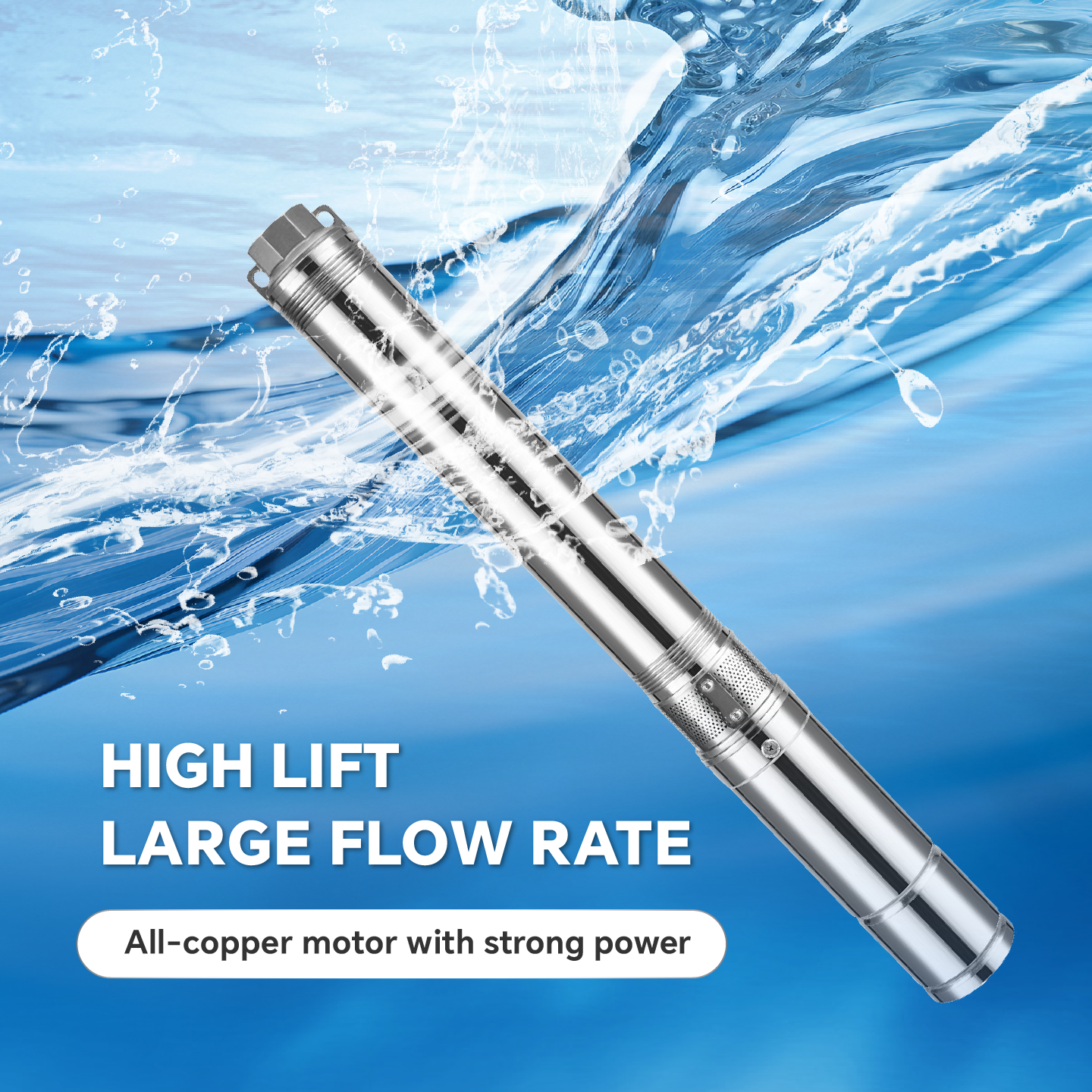
Sourcing reliable pumps involves  evaluating potential suppliers based on their manufacturing capabilities and product  offerings. Key considerations  include:

Established Manufacturers: Look  for manufacturers with  a proven track record in the industry. Companies like Larissa  Motor,  which has been producing electromechanical products since 1998, demonstrate stability and expertise.

In-House Development and Manufacturing: Suppliers that manage  their production processes can offer better quality control and customization options. This also allows for quicker adjustments during production to meet  specific buyer requirements.

Global Reach: Suppliers with experience in  international markets, particularly  in  Europe and other  developed regions,  can provide insights into compliance with various regulations  and standards.

Customer Support and Technical Expertise: Choose  suppliers that offer robust customer service, including technical  support. This is  crucial for resolving issues that may  arise  during installation or operation.

Cost Factors to Consider When Purchasing Wholesale Solar Pumps

Cost Factors to Consider When Purchasing Wholesale Solar Pumps

The cost  of solar  pumps  can vary significantly based on several factors:

Pump Specifications: Higher flow rates and head heights typically lead  to increased costs. Additionally, pumps with advanced features, such as variable  speed drives or integrated control systems, may  have  higher price points.

Material Quality: Pumps constructed from higher-grade materials  may come at a premium  but often offer better  durability and performance, leading to long-term cost savings.

Customization Requirements: Customized pumps require additional engineering and manufacturing efforts, impacting the overall price.

Volume Discounts: Many manufacturers provide discounts for  bulk orders.  Understanding the  MOQ can help buyers negotiate  better pricing.

Import Duties and Shipping Costs: For international buyers,  consider potential import duties and  shipping costs, which can  significantly affect the total cost of  procurement.

Common Problems in Solar Pump Systems and Their Solutions

Solar pump systems can encounter various challenges that impact their performance. Here are  some common issues and their solutions:

Insufficient Power Supply: Solar pumps may not perform optimally if  there  is insufficient sunlight. To mitigate this, ensure that the solar  array is appropriately sized for the pump's energy requirements, considering potential shading and seasonal variations.

Pump Cavitation: This occurs when  the pump operates with insufficient inlet pressure, leading to damage and reduced  performance. Buyers should ensure that the pump is installed at the correct elevation and that the inlet  line is free of obstructions.

Clogging: Debris and sediment can clog the pump, leading to operational failures. Regular maintenance and the use of inlet filters can help avoid  this issue.

Motor Failures: Pumps with lower-quality motors may experience failures  in harsh conditions. Opting for pumps with high-quality, reliable motors can minimize the  risk of unexpected downtime. For instance, the Solar Powered Submersible Water Pump for Garden Irrigation & Small Farm Use can be a robust choice.

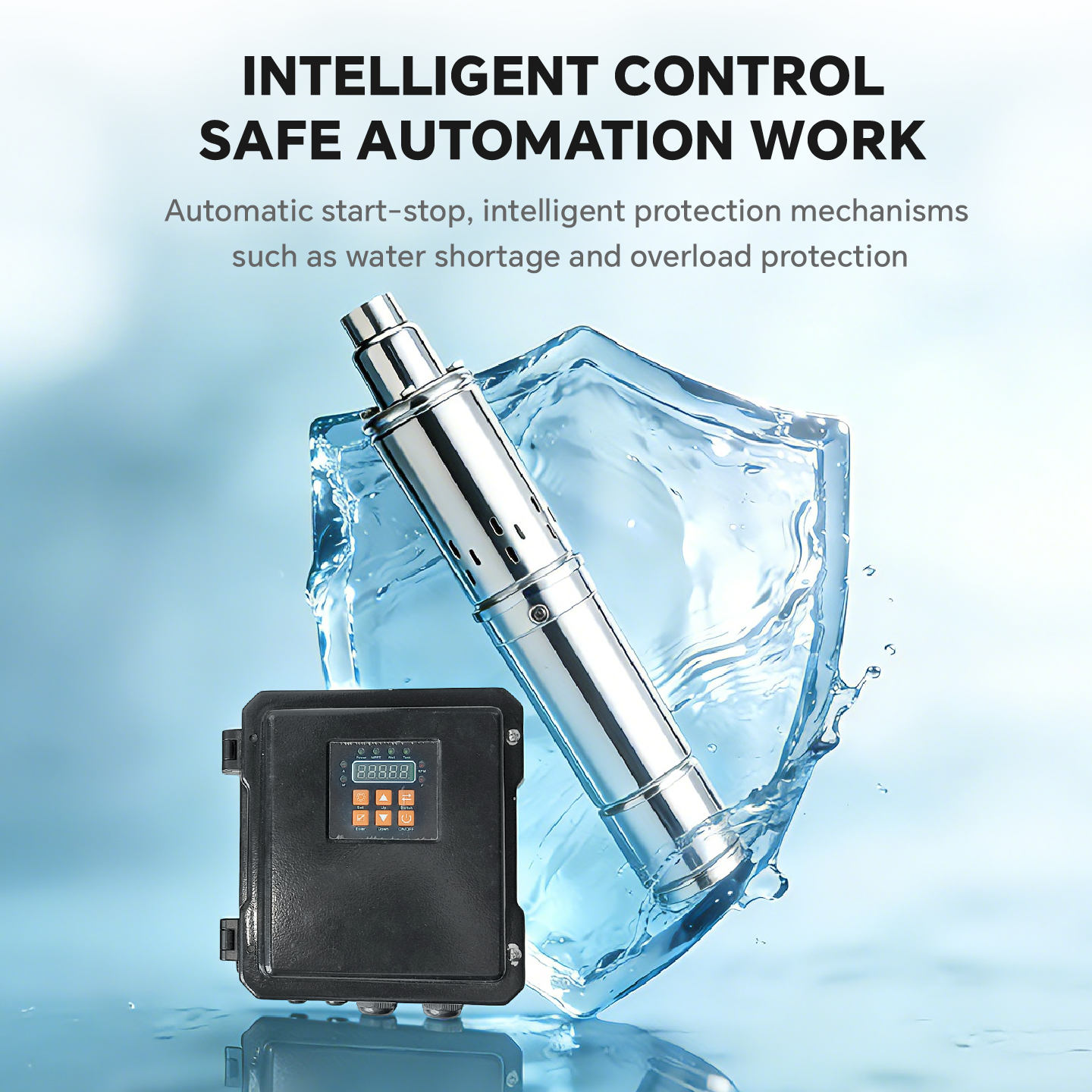
Control  System Issues: Problems with control systems can hinder pump operation. Ensure  that the control systems are  compatible  with the solar setup and regularly check for software  updates.

By understanding these common issues and implementing appropriate solutions, buyers can  enhance the reliability and  efficiency of their solar pump systems.

Selecting the right pumps for solar applications involves careful consideration of specifications, materials, sourcing  options, cost factors, and potential challenges. By leveraging the expertise of established manufacturers like Larissa Motor, buyers can ensure they are  making informed decisions that lead  to successful solar energy solutions.

Understanding the Applications of Pumps in Solar Energy Systems

Pumps are integral to solar energy systems,  particularly in applications such as  solar water heating, irrigation, and photovoltaic  (PV) cooling  systems. In solar water heating  systems,  pumps facilitate the circulation of water between solar collectors and storage tanks, ensuring optimal heat transfer. This is especially important  in large-scale installations  where  efficiency impacts overall energy savings.

In  irrigation, solar pumps  enable the  extraction of  groundwater, reducing dependency on grid electricity and lowering  operational costs. These  pumps are designed to operate with solar energy,  making them suitable for  remote agricultural areas. Similarly, in PV cooling systems, pumps help maintain optimal temperatures for solar  panels,  enhancing their efficiency and prolonging their lifespan. For instance, the DC CPM Centrifugal Water Pump for Solar Irrigation & Agricultural Water Transfer is a great option for such applications.

When selecting pumps for these applications, buyers  should consider factors such as flow rate, head height, and material compatibility with the intended environment, ensuring that the pump can withstand the conditions it will encounter.

Get a Professional Sourcing Quote

Our pump experts will review your request and reply within 12 hours.
Choose Your Needs Optional Business Type
Customization Requirements Optional
Email
Name
Company Name & Website
Message
0/1000

Related product categories