Key Specifications for Sourcing Aquarium Water Pumps

Get a Professional Sourcing Quote

Our pump experts will review your request and reply within 12 hours.
Choose Your Needs Optional Business Type
Customization Requirements Optional
Email
Name
Company Name & Website
Message
0/1000

aquarium water pump

Aquarium water  pumps are essential devices for maintaining water circulation and filtration in both commercial and residential aquariums. They help  ensure a  stable  aquatic environment by regulating  water  flow, which is  crucial for  the  health of fish and  other aquatic  life. B2B buyers, such as  purchasing managers or distributors, often  seek reliable and  efficient pumps that meet specific performance and customization requirements. This article will provide insights into evaluating aquarium water  pumps,  sourcing suppliers, understanding buyer  considerations, exploring  customization  advantages, and  identifying applications across different settings.
Where to Find Reliable Suppliers for Bulk Aquarium Water Pump Orders

Where to Find Reliable Suppliers for Bulk Aquarium Water Pump Orders

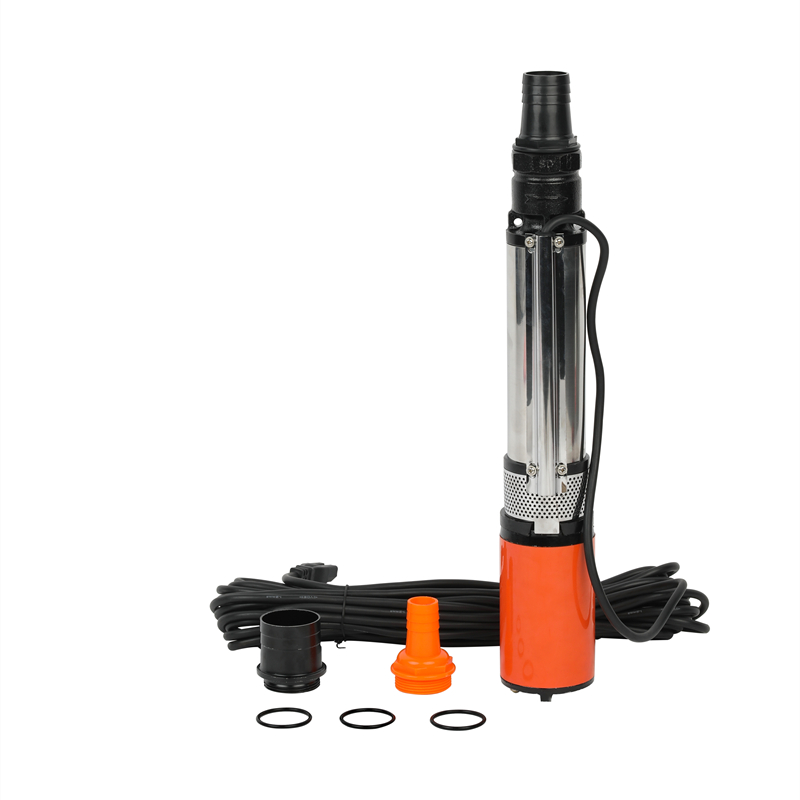
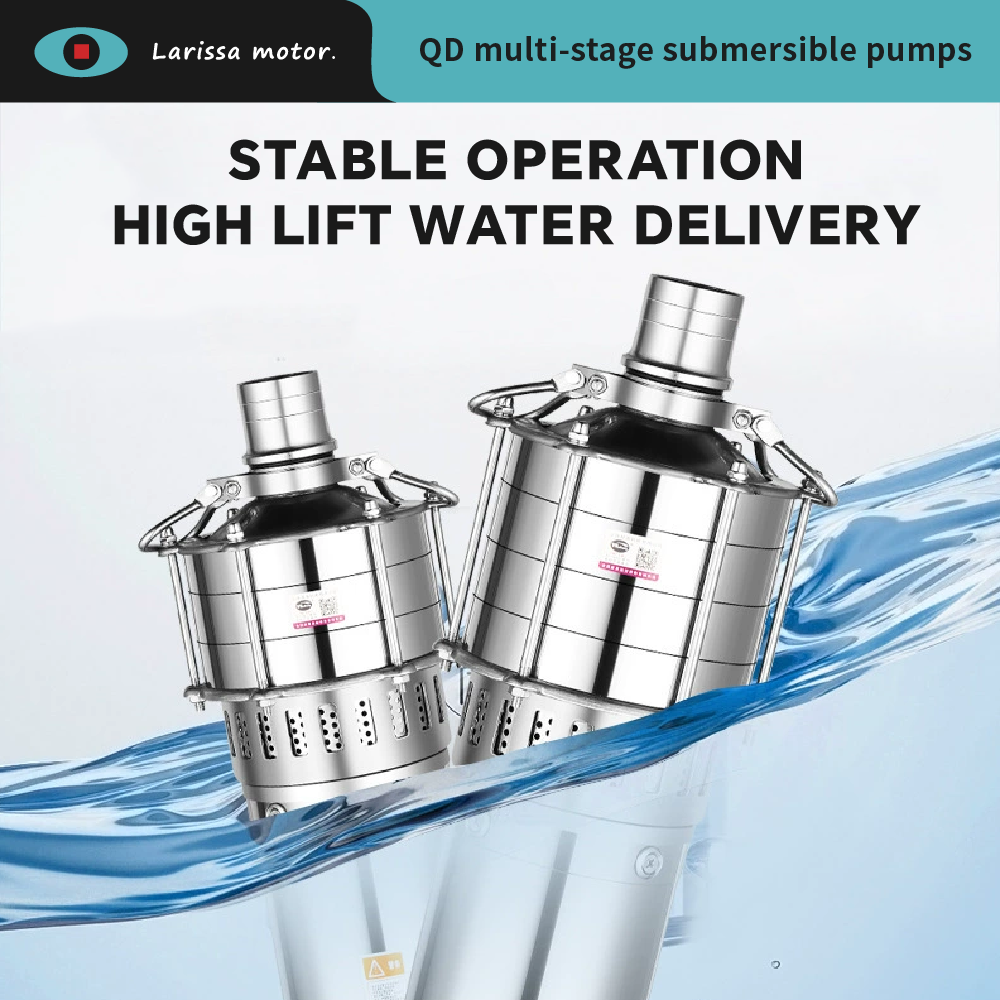
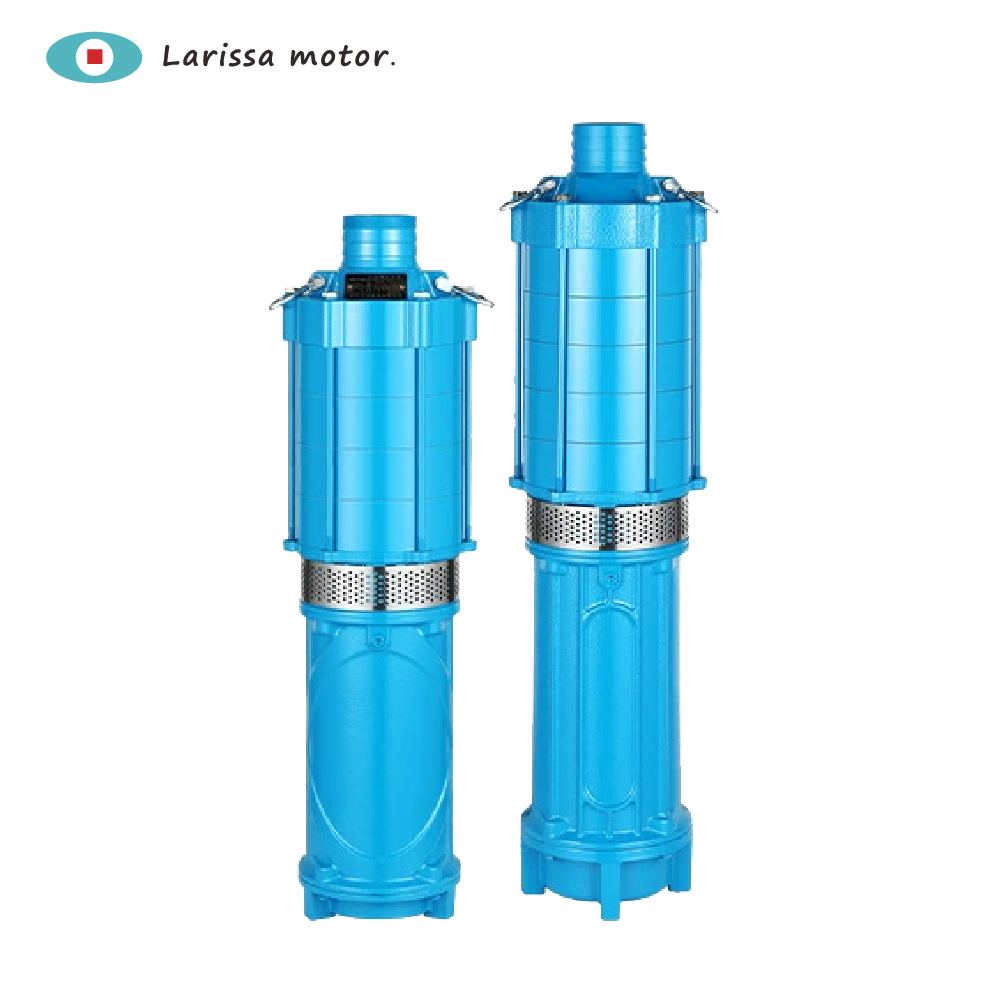
Finding reliable suppliers  for  bulk  aquarium water  pump  orders requires a strategic approach.  Start by researching manufacturers  known for their quality electromechanical products, such as  Larissa Motor, which has a solid reputation for meeting international standards since 1998. Trade shows and industry exhibitions are excellent venues to connect with reputable suppliers,  as they allow  you to see products firsthand and discuss specifications directly with manufacturers.


Online  marketplaces and  industry-specific directories can also help locate potential suppliers. Look for  customer reviews and ratings to gauge the supplier's reliability. Establishing a relationship with  suppliers for bulk  orders  often leads to better pricing, faster lead  times, and potential customization options, such as those found in Industrial Water Pumps.

Before finalizing partnerships, request samples  to evaluate product quality and performance in real-world conditions. This  step can prevent future complications and ensure that the supplier can meet your specific requirements.
What Buyers Should Know

What Buyers Should Know

When purchasing aquarium water pumps, buyers  should be  aware of several  key factors that can influence their  decision-making process:

Minimum Order Quantity (MOQ): Different suppliers may have varying MOQs. Understanding these requirements can help you plan  your inventory and  budget  accordingly.

Customization Capabilities: Many manufacturers offer  customization  options to meet  specific application needs. Buyers should inquire about the types of customizations available, such as size, design, and performance specifications.

Lead Time: The time it takes for suppliers to fulfill orders can significantly impact project timelines. Ensure that  the lead times align with your operational  needs and ask  about the possibility of expedited shipping  for urgent orders.


Quality Control Processes: Inquire about the supplier's quality assurance measures. A reliable supplier should have  robust testing and inspection processes in place to  guarantee product quality before shipping.

Post-Sale Support: Consider the level of customer service provided,  including warranty policies and support for installation and  operation issues.

The Advantages of Customizable Aquarium Water Pump Designs for Distributors

The Advantages of Customizable Aquarium Water Pump Designs for Distributors

Customizable aquarium water pump designs offer  numerous advantages for distributors, allowing them  to cater to diverse customer needs and enhance their product offerings.

Meeting  Specific Requirements: Customization enables distributors to provide pumps tailored to distinct environments, such as freshwater  or saltwater aquariums, where different performance parameters may be required.

Brand Differentiation: Offering  unique designs or features can help  distributors stand out in  a competitive market. Customizable  pumps can be branded or modified to reflect the distributor’s identity, attracting more customers.

Enhanced Customer Satisfaction: By providing pumps that meet precise customer specifications,  distributors can improve  satisfaction and loyalty. Custom solutions often lead to better performance and longer-lasting products, which can reduce return  rates.


Scalability: Custom designs can accommodate  varying production volumes, enabling distributors to scale their offerings based on demand. This flexibility can be particularly  beneficial during peak seasons or special promotions.


Innovation: Working with manufacturers that prioritize customization can lead to innovative product developments. Distributors can partner with  suppliers to create pumps  that incorporate  the latest  technology for improved efficiency and functionality.

Applications of Aquarium Water Pumps in Commercial and Residential Settings

Aquarium water pumps serve essential  roles in both commercial and residential environments, with applications varying based on  specific needs.

Residential Aquariums: In home settings, water pumps help maintain the health of fish and plants by ensuring proper circulation and filtration.  This is crucial for maintaining water quality and providing a stable habitat for aquatic life.

Aquarium Retail Stores: Retailers rely on efficient pumps to maintain  display tanks, ensuring optimal conditions for fish and aquatic  plants to  thrive.  A reliable pump is vital for  attracting customers by showcasing healthy and vibrant aquatic life.

Aquaculture: In  commercial fish farming, water pumps are used  for water circulation, aeration, and waste removal. The efficiency and reliability of these pumps directly impact productivity and fish health.

Research  Facilities: Laboratories and research institutions use aquarium  water pumps  to create controlled environments for studying aquatic biology. Precision in flow  rates and temperature control is crucial in these settings.


Public Aquariums: Large public  aquariums require robust water pump systems to manage  extensive water volumes and maintain the  health of diverse marine ecosystems. These systems often need  to be highly efficient and capable of handling varying loads.

In summary, understanding the specifications, sourcing reliable suppliers,  and recognizing the advantages of customization can help B2B buyers make informed decisions when procuring aquarium water pumps. Whether for residential or commercial applications, selecting the right pump is crucial for ensuring the health and sustainability of aquatic environments.

Key Specifications to Evaluate When Sourcing Aquarium Water Pumps

When sourcing aquarium water pumps, several key specifications should be considered to ensure optimal performance and compatibility  with  your  specific application.

Flow  Rate: This measures the volume of water the pump can move in a given  time, typically expressed in gallons per hour (GPH) or liters per hour (LPH). A pump with  an insufficient flow rate may lead to stagnation, while excessive flow can stress aquatic life. Buyers should calculate the required flow rate based on the size of the aquarium and the needs of its inhabitants.

Head Height: This refers to the maximum height the pump can effectively push water. It  is crucial for installations where the pump  needs to lift water to a higher  elevation. When evaluating pumps,  confirm that the specified head height meets your installation requirements.

Power Consumption: Assessing the  pump's energy efficiency is essential for long-term operational costs. Lower wattage pumps can reduce electricity bills  and are often more environmentally friendly. For example, Solar Pumping Systems are a great option for energy efficiency.

Noise Level: For residential applications, the noise produced by the pump can  be a significant factor. Buyers should look for pumps designed for quiet operation, especially when the aquarium is placed in living areas.

Materials and  Build Quality: The materials  used in the pump's construction can  affect its durability and resistance to corrosion, particularly in saltwater applications. High-quality plastics, stainless steel,  and ceramics are preferred materials for longevity.

Certifications: Buyers should verify any relevant certifications that indicate compliance with international safety  and performance standards, ensuring  the pump is reliable and safe for use in aquatic environments.

Get a Professional Sourcing Quote

Our pump experts will review your request and reply within 12 hours.
Choose Your Needs Optional Business Type
Customization Requirements Optional
Email
Name
Company Name & Website
Message
0/1000

Related product categories