EN
EN

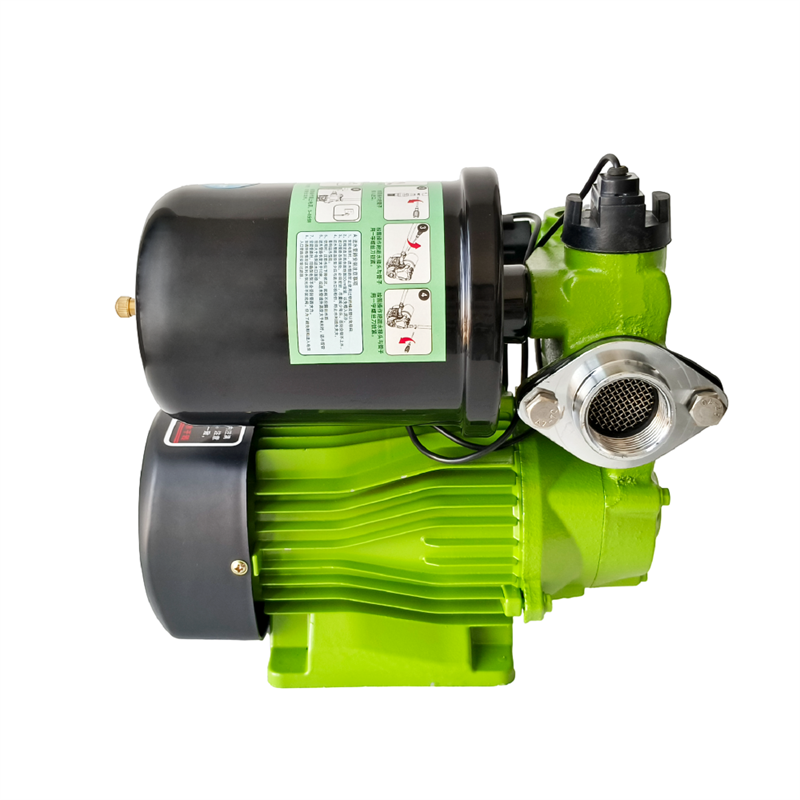
A shallow well pump is a crucial component for accessing groundwater from shallow wells, typically up to 25 feet deep. For B2B buyers, including purchasing managers and engineers, the selection of the right pump is vital to ensure efficiency, durability, and compatibility with specific applications. This article will guide you through essential considerations when choosing a shallow well pump, including key specifications, quality control measures, supplier recommendations, and cost factors to keep in mind during your purchasing process.
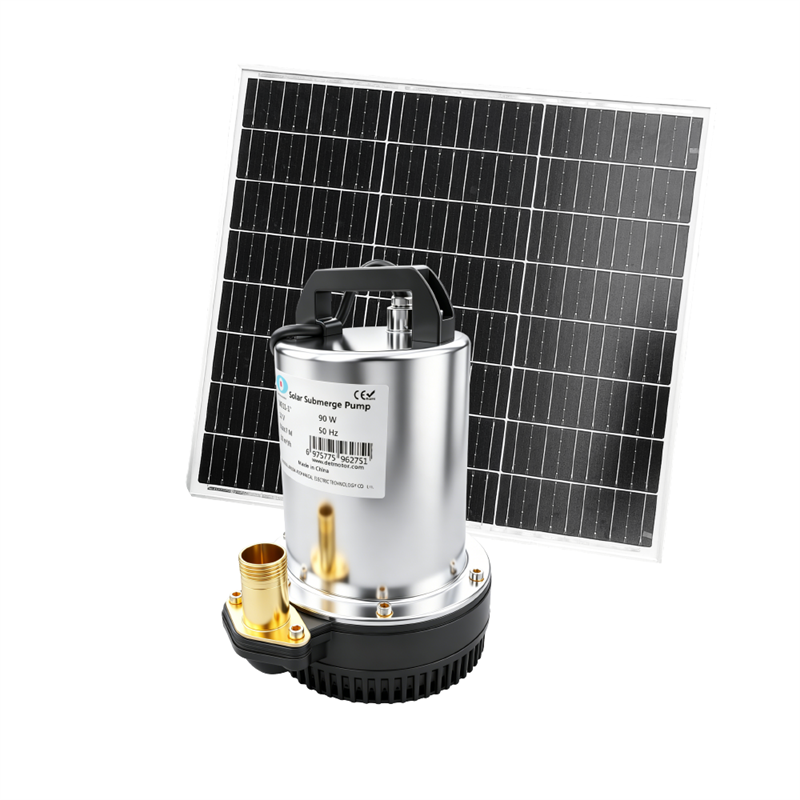
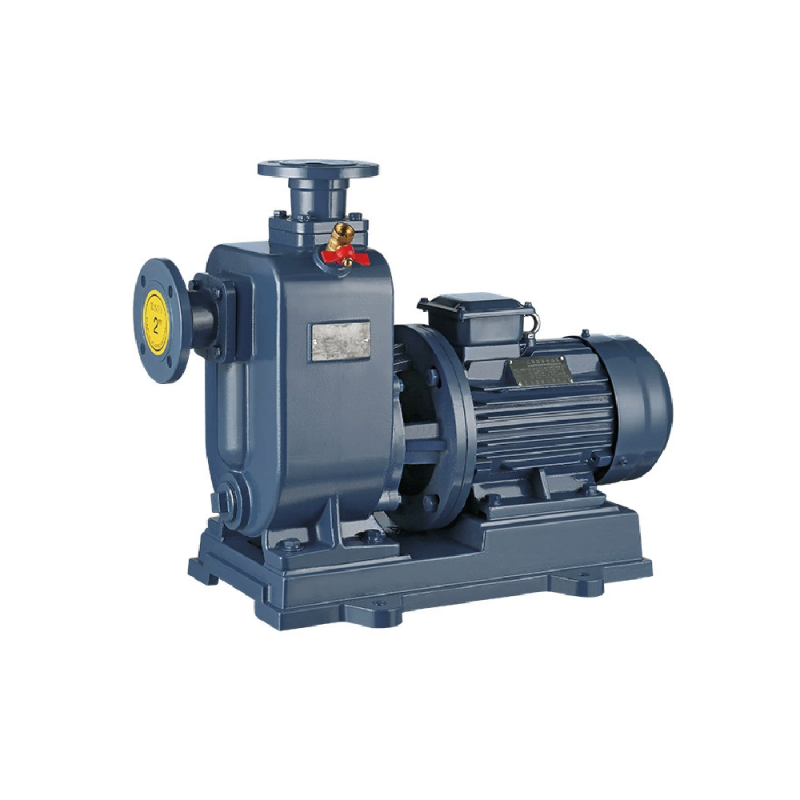
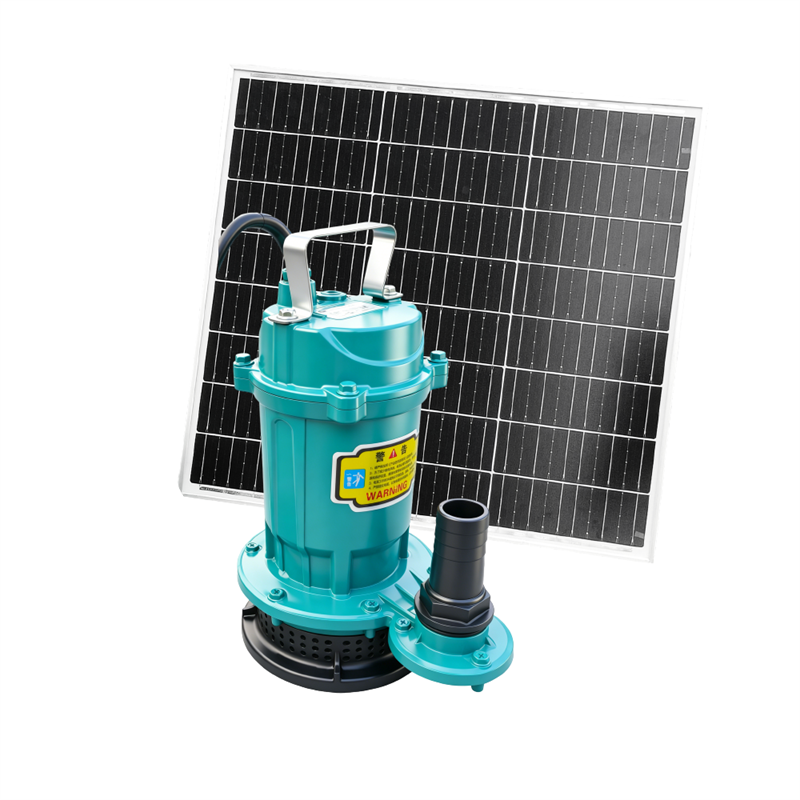
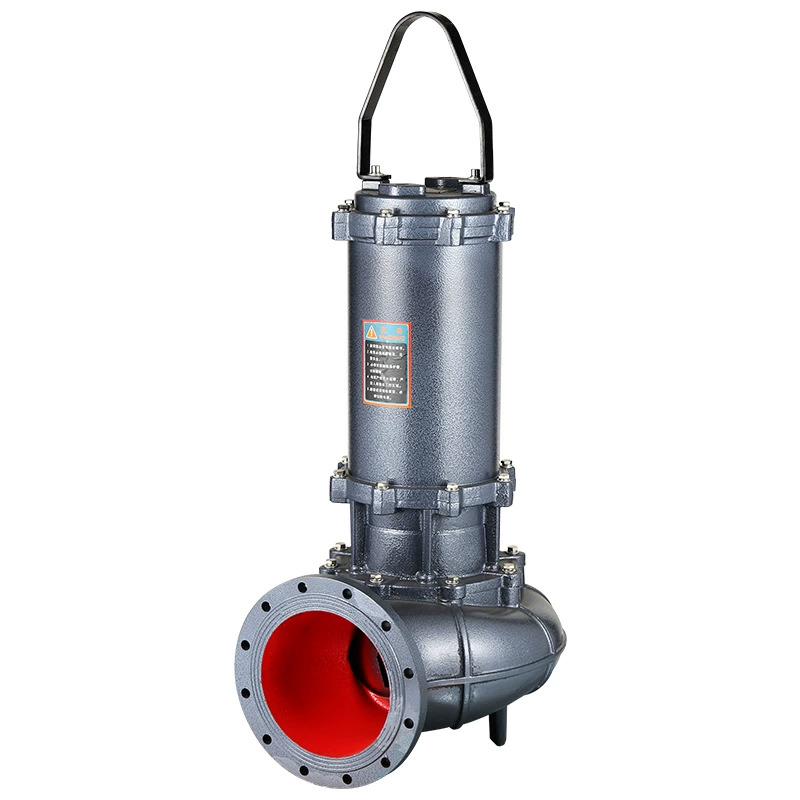
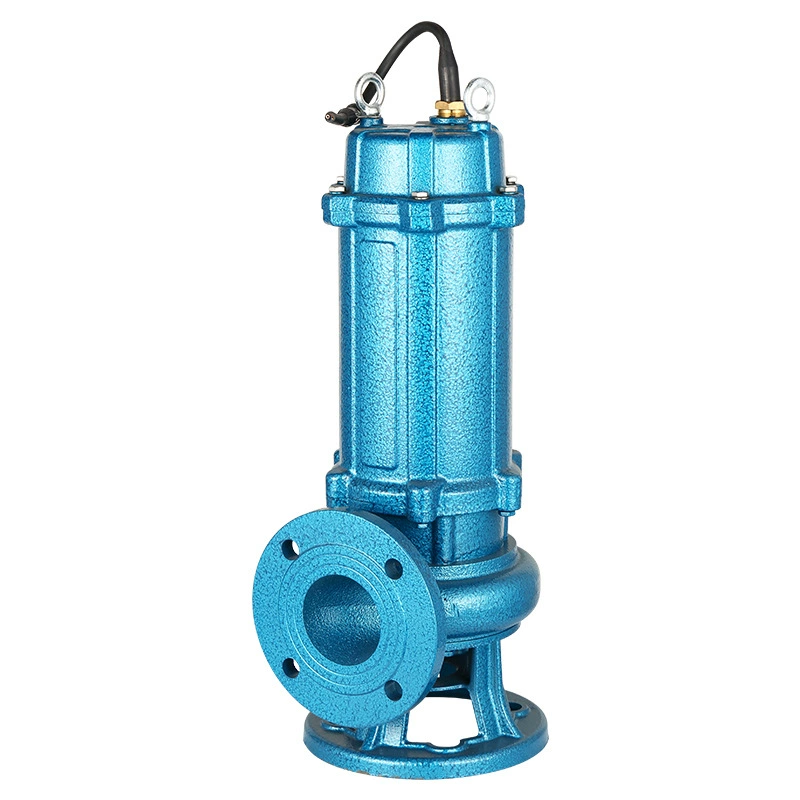
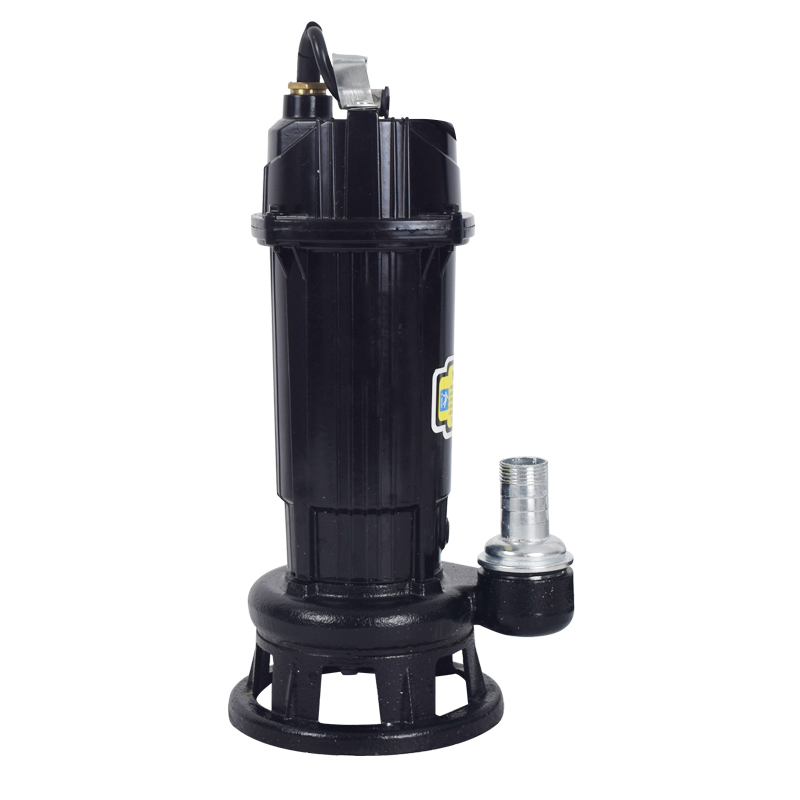
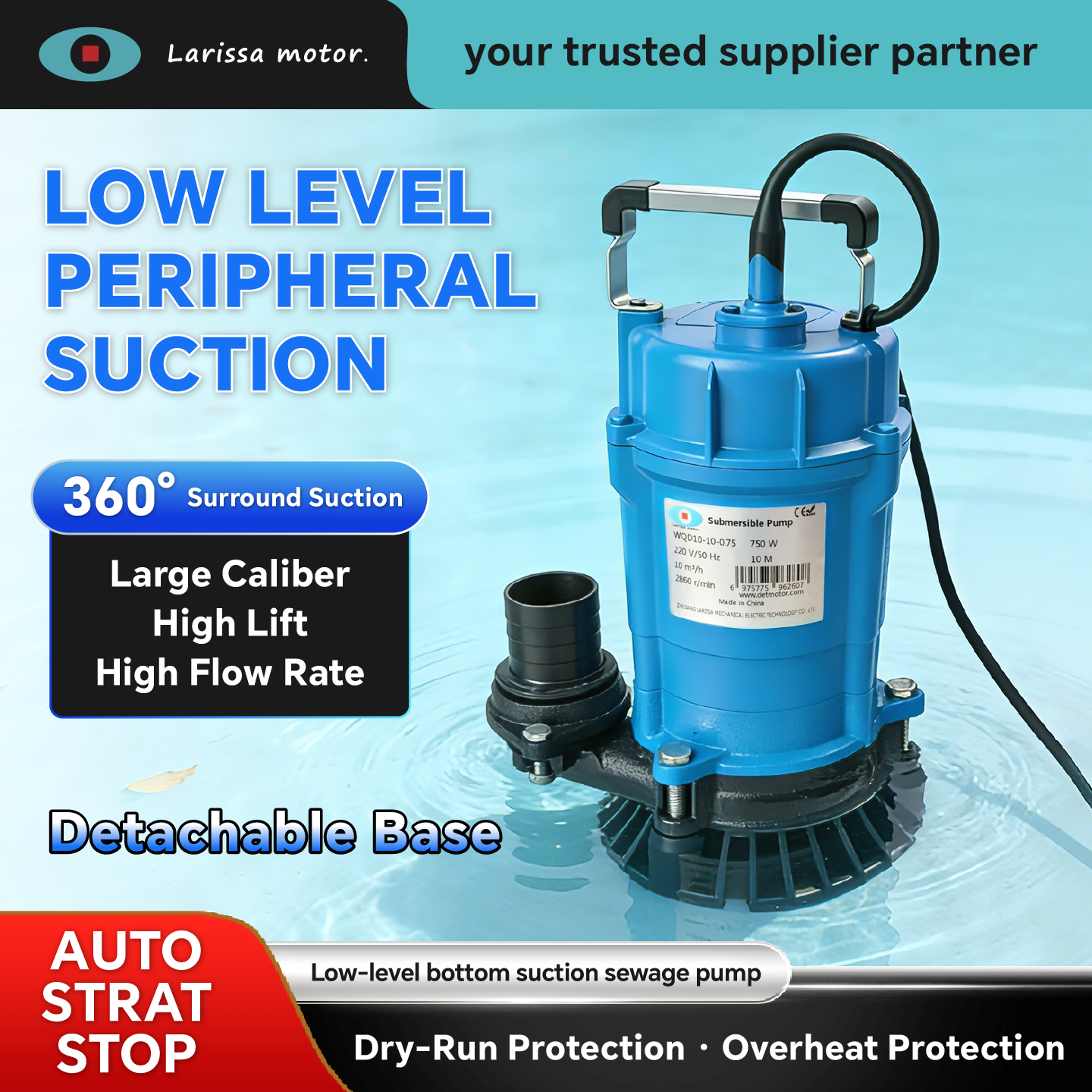
Key Specifications to Consider When Sourcing Shallow Well Pumps
Several key specifications should be evaluated when sourcing shallow well pumps:
Power Source: Pumps can be powered by electricity or gasoline. Electric pumps are commonly preferred for their efficiency and ease of use, while gasoline pumps may be necessary for remote locations without electricity.
Material Composition: The materials used in the pump's construction, such as thermoplastic, stainless steel, or cast iron, impact its longevity and resistance to various environmental factors. For instance, stainless steel offers excellent corrosion resistance, making it suitable for harsh water conditions. Additionally, if you are considering applications in agriculture, Agricultural Water Pumps may also be relevant.
Performance Ratings: Look for the pump's performance curve, which illustrates how the pump operates at different flow rates and head pressures. Ensure the pump can meet your maximum flow requirements without compromising on efficiency.
Certifications: Check for relevant certifications, such as ISO or CE marking, indicating compliance with international standards. This ensures that the pump meets safety and performance criteria that are crucial for reliable operation.
Evaluating these specifications carefully will help you select a shallow well pump that meets your operational needs while adhering to industry standards.