Best Applications for Turbine Pumps in Industry

Get a Professional Sourcing Quote

Our pump experts will review your request and reply within 12 hours.
Choose Your Needs Optional Business Type
Customization Requirements Optional
Email
Name
Company Name & Website
Message
0/1000

turbine pump

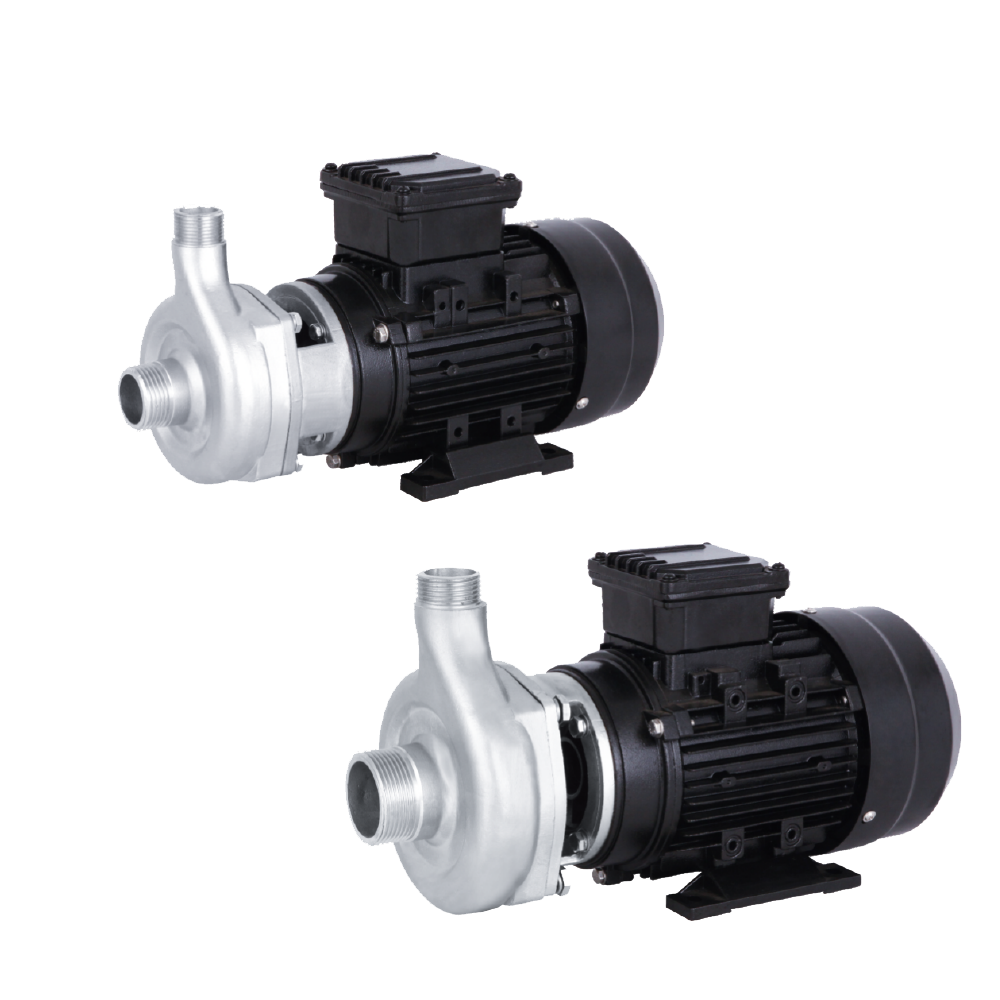
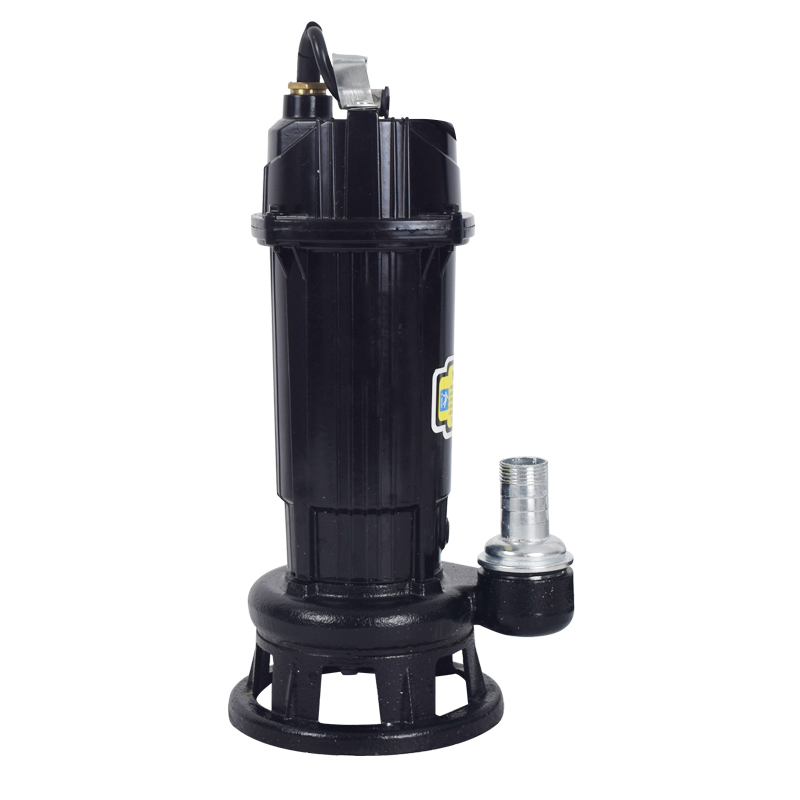
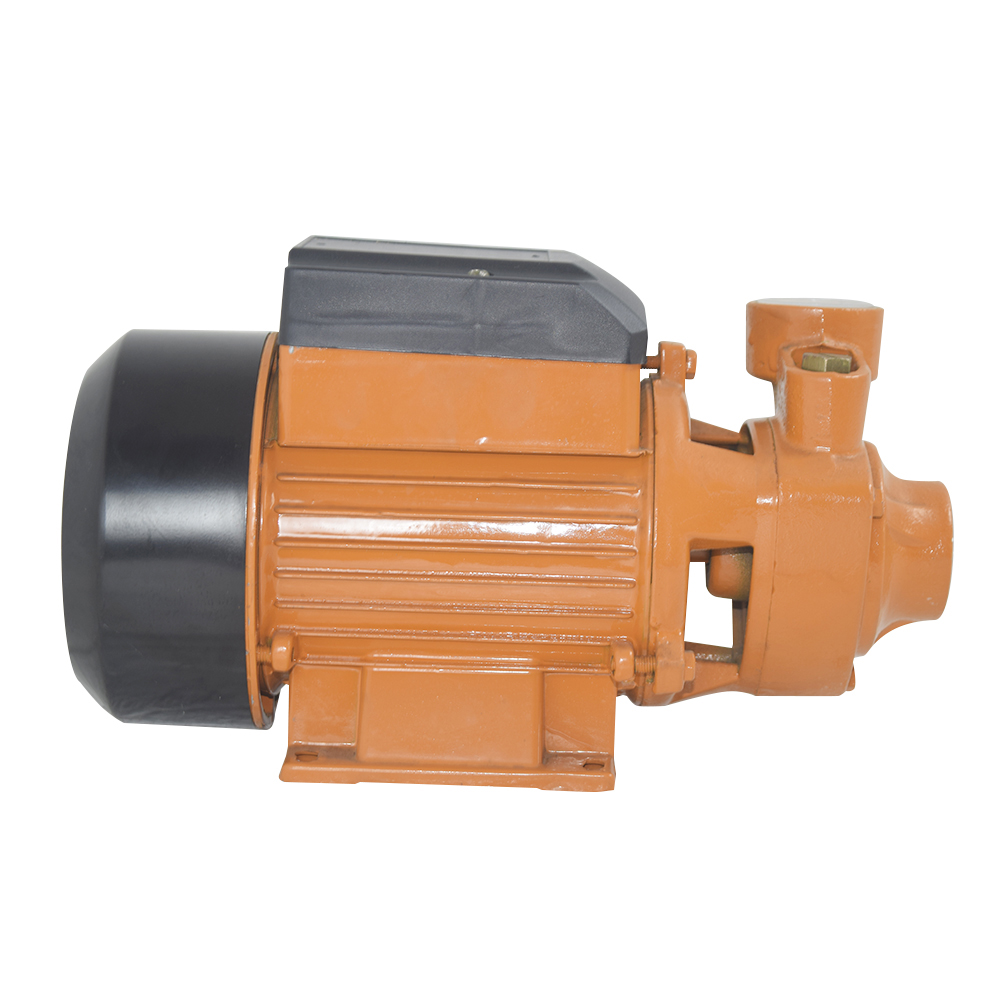
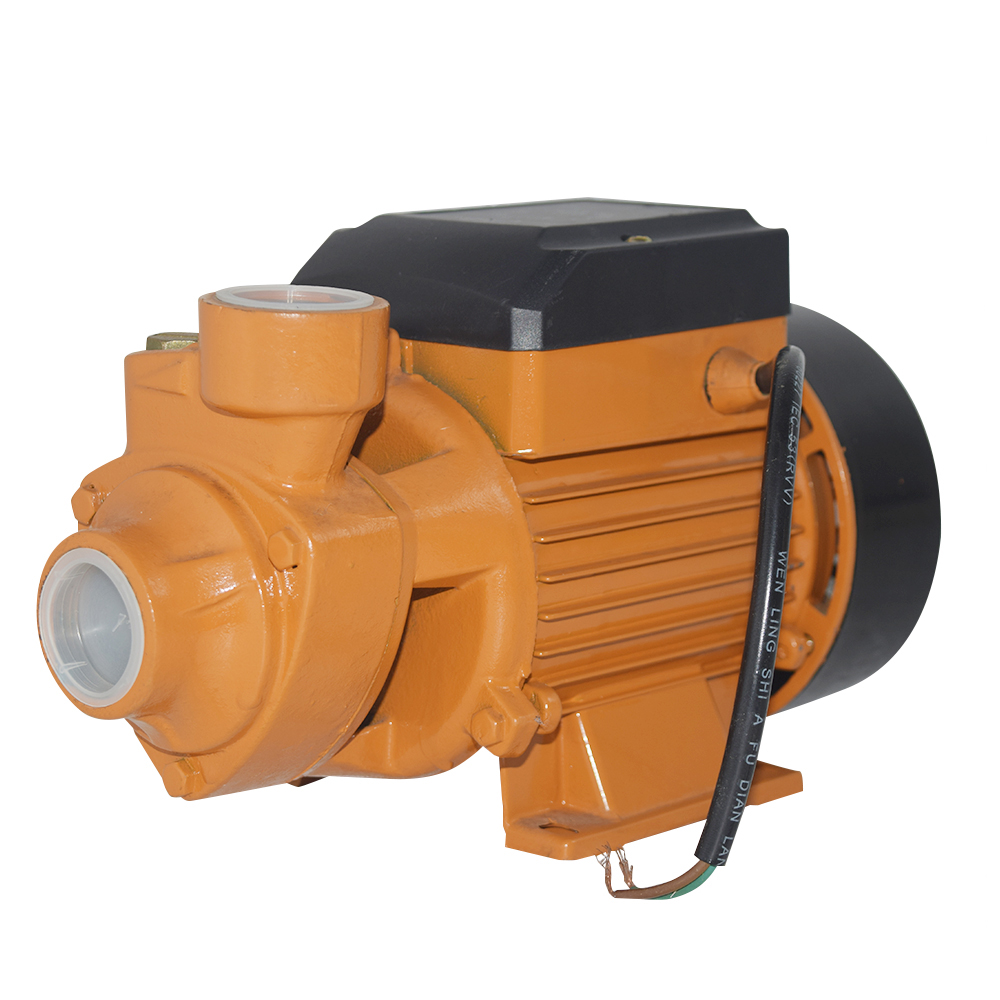
Turbine pumps  are crucial electromechanical  devices  widely used  in various  industrial applications, delivering reliable performance for fluid  transfer. As a B2B buyer, understanding turbine  pumps’  specifications, applications, and potential  issues is  essential  for  making  informed purchasing  decisions.  This article will  guide  you through the best applications, buyer considerations, common problems, material  advantages, and performance-impacting features  of turbine pumps, helping you identify the right product for your needs.
 

Our Products

What Buyers Should Know

What Buyers Should Know

When purchasing turbine pumps, buyers must consider several key factors to ensure they select  a product that meets their operational needs. Here are the primary considerations:

Performance Requirements: Assess  the flow rate,  head height, and  pressure requirements for your application. This will determine  the  size and type of turbine pump needed.

Material Compatibility: Different materials offer varying resistance to corrosion and wear. Choose a pump  with materials that  are compatible  with the fluids being handled,  especially in chemical processing applications.

Customization  Options: Many manufacturers, like Larissa Motor, offer customization to meet specific operational needs. Discussing  your requirements with the manufacturer can lead  to tailored solutions.

Quality Standards: Ensure that  the turbine pump meets international standards for safety and performance. Certifications can indicate compliance  with industry  regulations.

Lead Times and MOQ: Understand the  manufacturer's lead times and  minimum order quantities (MOQ). This can affect your project timelines and budgeting.

By asking the right questions  and gathering information on these aspects, buyers can make informed decisions that align with their operational  goals.
Common Problems with Turbine Pumps and Their Solutions

Common Problems with Turbine Pumps and Their Solutions

While turbine pumps are designed for reliability, they  can encounter issues that affect  performance. Here  are common  problems and  their potential solutions:

Cavitation: This occurs when vapor bubbles form in the pump due to low pressure, leading to decreased efficiency and potential damage. To  mitigate cavitation, ensure that the pump operates within its specified suction conditions and maintain proper fluid levels.

Overheating: Excessive heat can  lead to pump failure. This can be addressed by ensuring adequate  cooling through proper fluid circulation and monitoring operating temperatures regularly.

Seal Leaks: Leaks can arise from worn seals or improper installation. Regular maintenance and inspections can help identify and replace  faulty seals before they lead to more significant problems.

Blockages: Debris  in the fluid can cause  blockages,  disrupting flow.  Installing  filters and performing routine cleaning can prevent  this issue.


Vibration: Excessive vibration can indicate misalignment or wear in  the  pump components. Regular maintenance checks can help diagnose and correct these issues early.

Understanding  these common problems allows buyers to implement preventative measures, ensuring the longevity and reliability of their  turbine pumps.

Material Advantages of Turbine Pumps for Long-Term Use

Material Advantages of Turbine Pumps for Long-Term Use

The materials used in turbine pump construction significantly impact their durability and performance.  Here are  some advantages of different materials:

Stainless  Steel: Known for its corrosion resistance, stainless steel is  ideal for handling aggressive chemicals and ensures longevity  in harsh environments.  Its strength also supports high-pressure applications.

Cast  Iron: Often used in standard  water applications, cast iron is durable and offers  excellent wear  resistance. However, it may not be suitable for corrosive fluids.

Bronze: This material is  beneficial for marine applications due to its resistance to saltwater corrosion.  It  is also suitable for various chemical  applications.

Thermoplastics: In certain applications, thermoplastics  can provide excellent chemical resistance and lightweight characteristics, making them suitable for specific fluid types.

Selecting the  right material based on the  application  will not only extend the  pump's life  but also enhance its performance, reducing maintenance costs over time.

Features That Impact Performance

Several features of turbine pumps directly influence their efficiency and suitability for specific applications. Buyers should  consider the following:

Impeller Design:  The impeller's design affects the flow rate and pressure. A multi-stage impeller can provide  higher pressures, making it suitable for applications requiring significant  elevation changes.

Motor Type: The type of motor  (electric, hydraulic, etc.) impacts operational efficiency. Electric motors are typically more efficient and require less maintenance than  hydraulic counterparts.

Sealing Mechanisms: Effective sealing  is critical  to preventing leaks and ensuring  long-term  operation. Buyers should  consider pumps with mechanical  seals for enhanced reliability.


Drive Configuration: Direct drive versus belt drive  configurations  can affect maintenance requirements and efficiency. A direct drive may reduce maintenance needs while providing better performance.

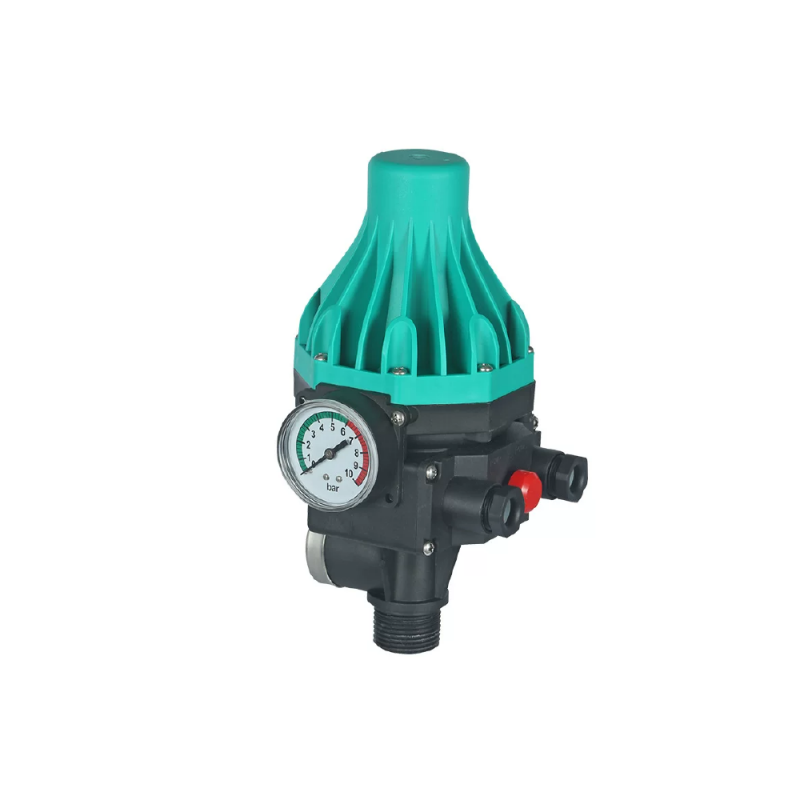
Control Systems: Advanced control systems can improve operational efficiency  by allowing for real-time monitoring and adjustments  based  on fluid dynamics.

Understanding these features can help buyers select turbine pumps that align with their operational needs, ensuring optimal  performance and reliability in  their applications.

Best Applications for Turbine Pumps in Industrial Settings

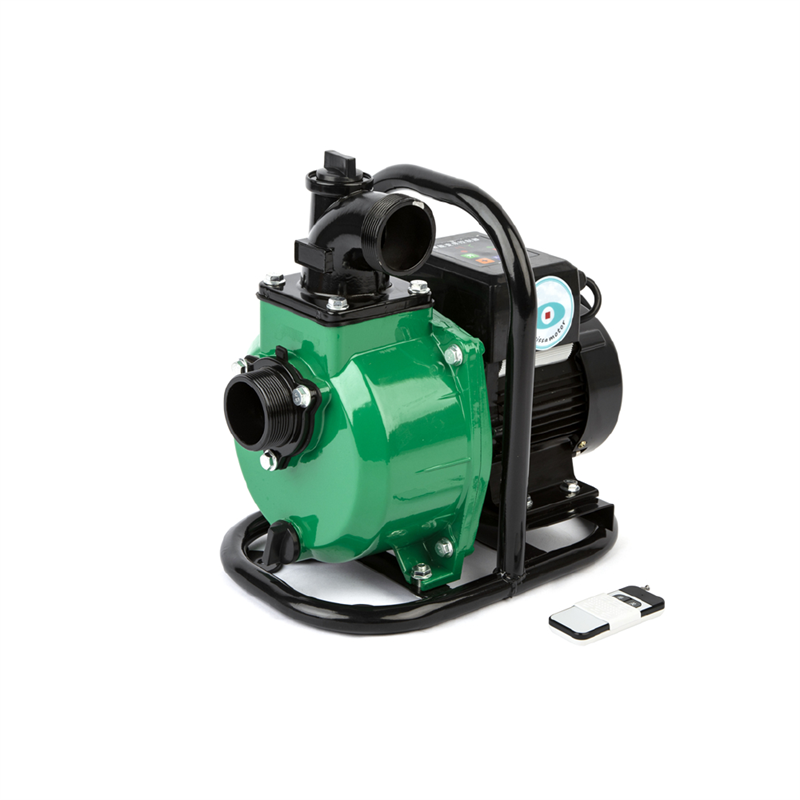
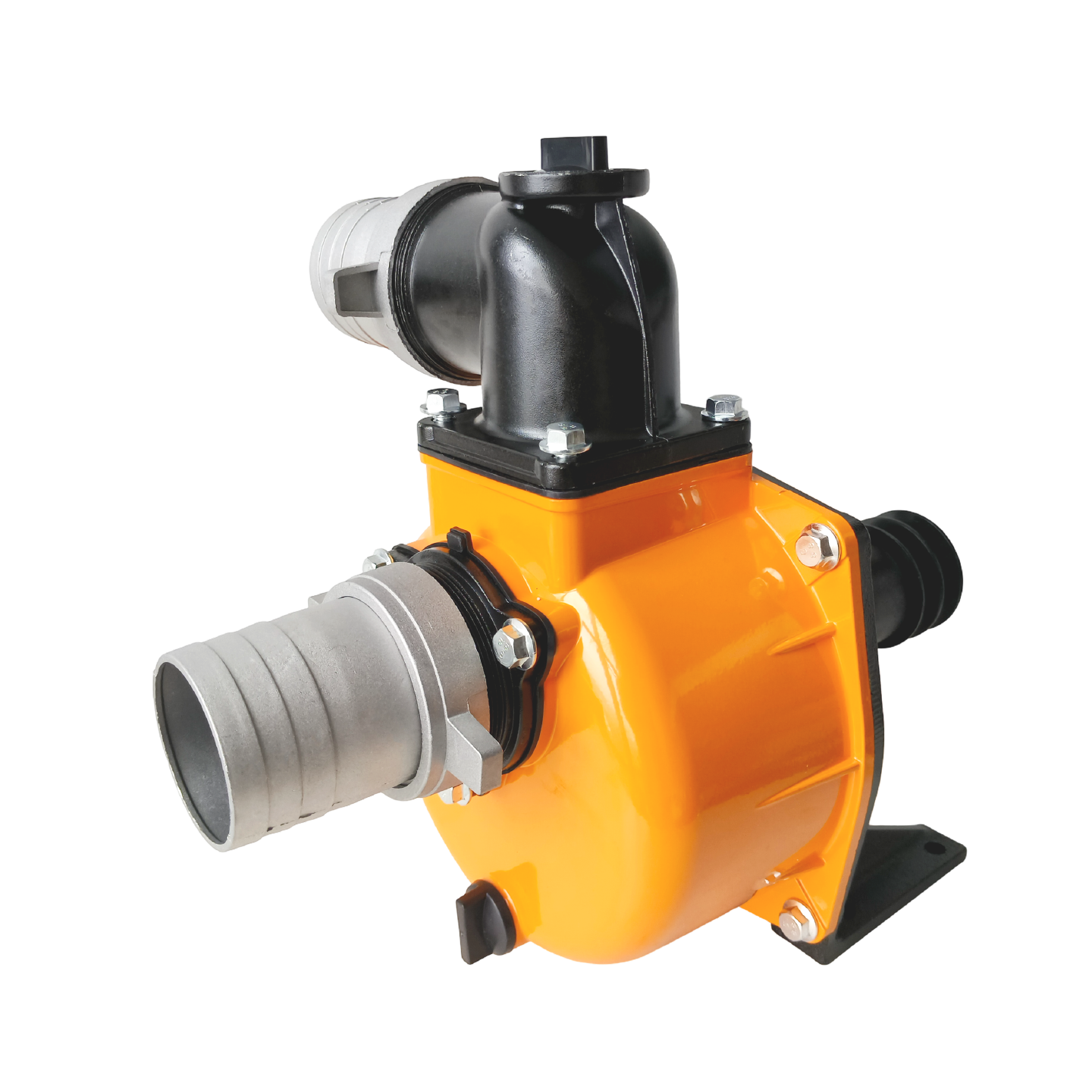
Turbine pumps are designed  to handle a range of fluids, making them suitable for various industrial  applications. They excel in  transferring clean  water,  fluids with low viscosity, and even some corrosive liquids in  sectors such  as  manufacturing, agriculture, and chemical processing. Some of the best applications for turbine  pumps  include:

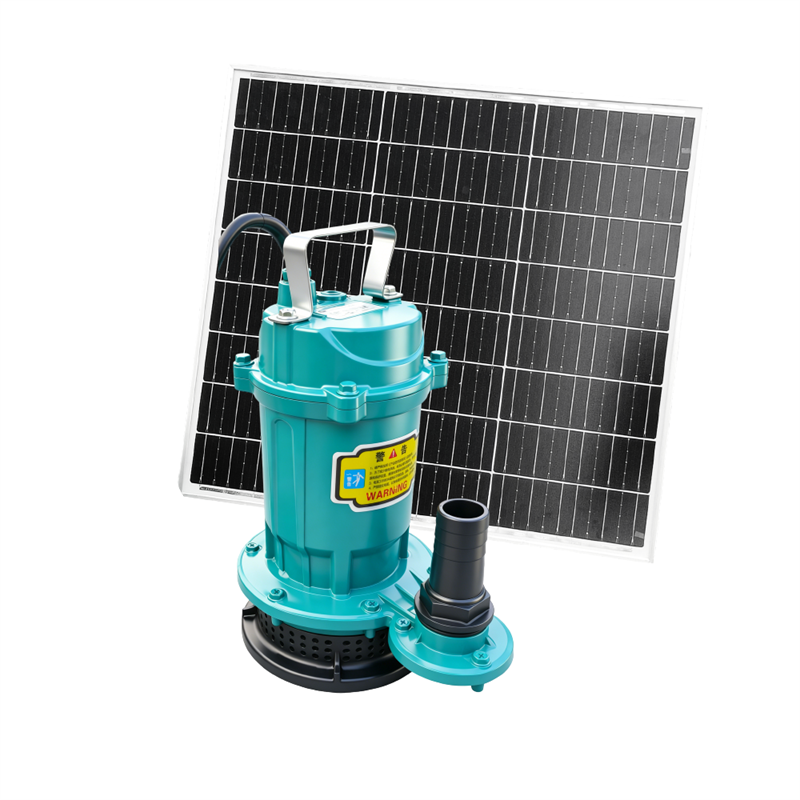
Water Supply Systems:  Used for irrigation, municipal water supply, and water treatment plants, turbine pumps  efficiently move  water across various distances and elevations. For more information on related systems, check out our Solar Pumping Systems.

Chemical Processing: These pumps  are  effective in transferring chemicals in manufacturing processes, ensuring precise control over fluid flow.

Oil and Gas: Turbine pumps are utilized in upstream and downstream operations, including  drilling, refining, and transportation of oil and gas.

HVAC Systems: In heating, ventilation, and air conditioning systems,  turbine pumps help circulate water for efficient temperature regulation.

Fire Protection: Industrial-grade turbine pumps  are essential in fire  protection systems, providing  reliable water pressure for fire suppression.

Understanding the specific requirements of your application will help you select the right turbine pump configuration, ensuring optimal efficiency and performance. For example, if you're exploring options for agricultural needs, Agricultural Water Pumps may also be a consideration.

Get a Professional Sourcing Quote

Our pump experts will review your request and reply within 12 hours.
Choose Your Needs Optional Business Type
Customization Requirements Optional
Email
Name
Company Name & Website
Message
0/1000

Related product categories