EN
EN
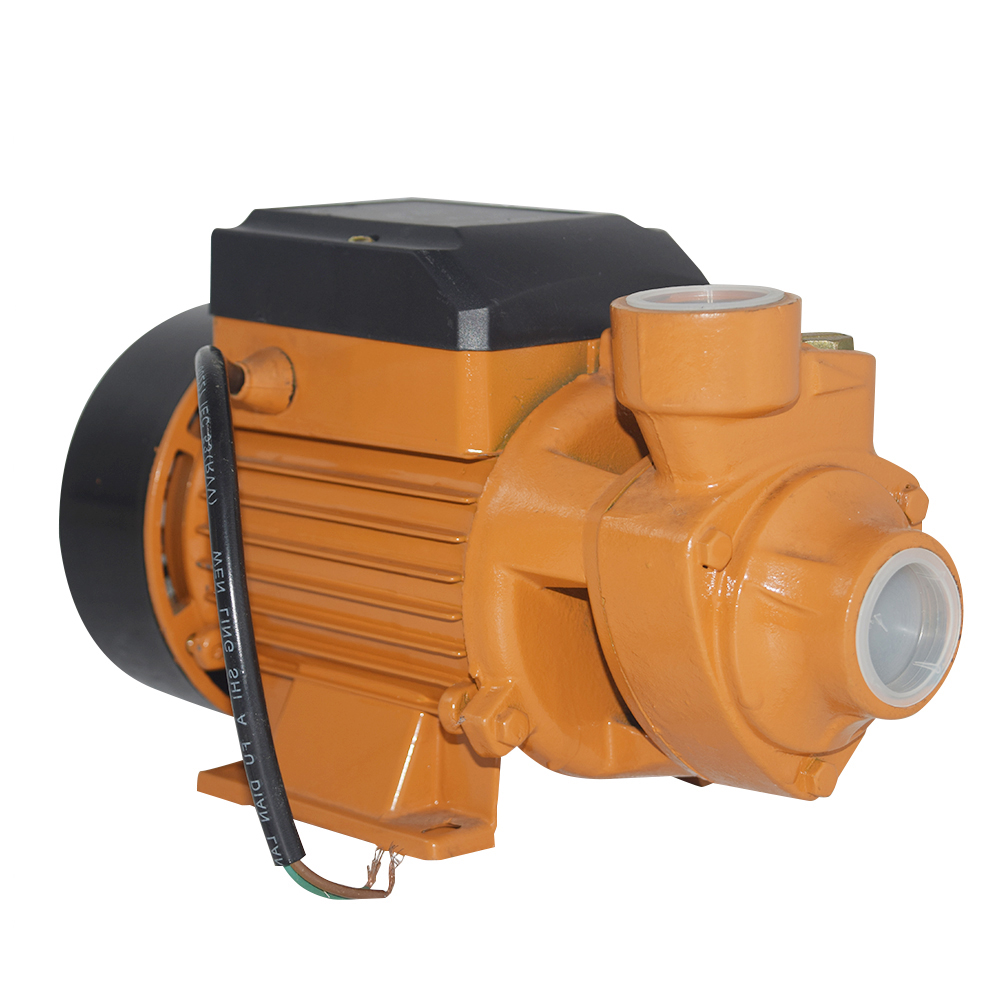
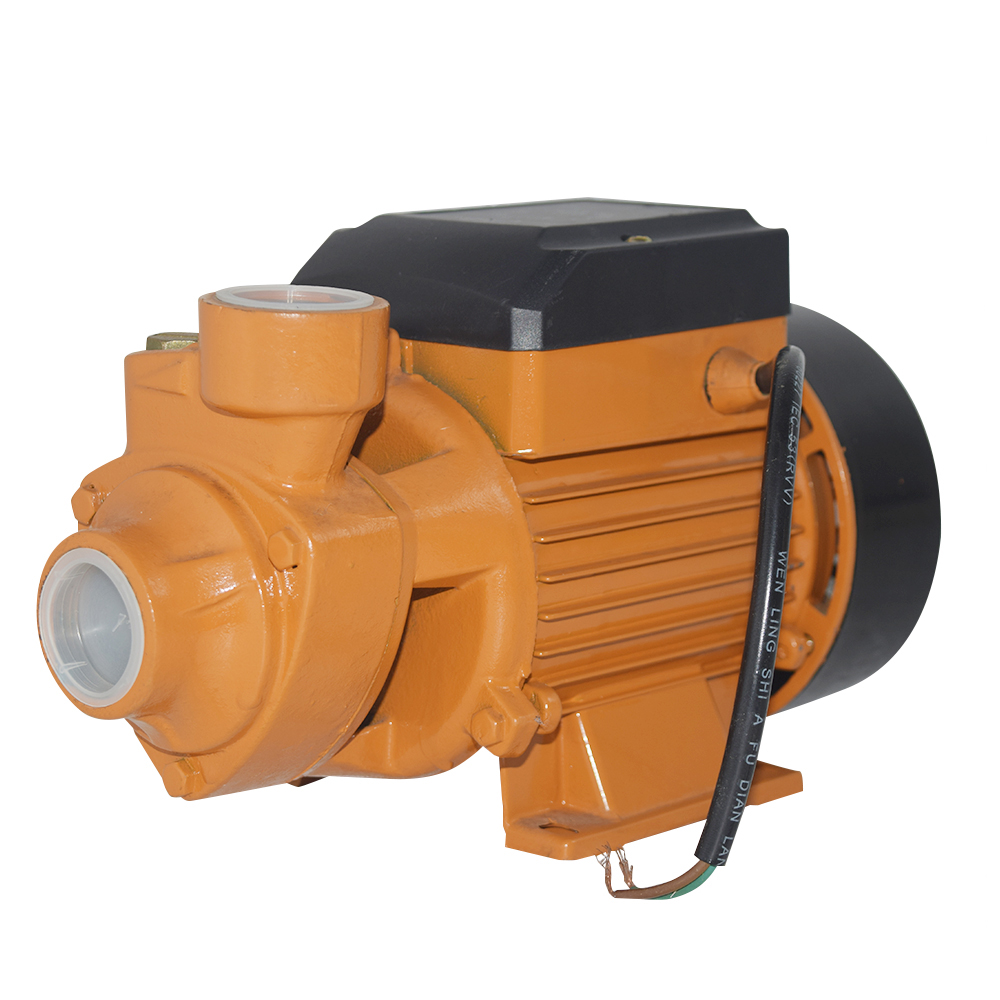
Turbine pumps are crucial electromechanical devices widely used in various industrial applications, delivering reliable performance for fluid transfer. As a B2B buyer, understanding turbine pumps’ specifications, applications, and potential issues is essential for making informed purchasing decisions. This article will guide you through the best applications, buyer considerations, common problems, material advantages, and performance-impacting features of turbine pumps, helping you identify the right product for your needs.
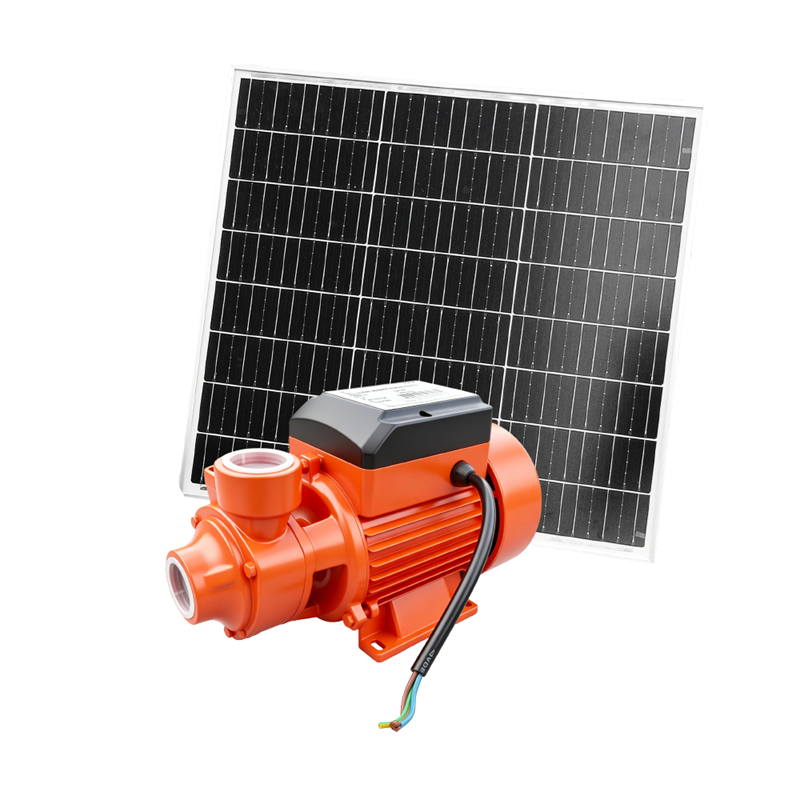
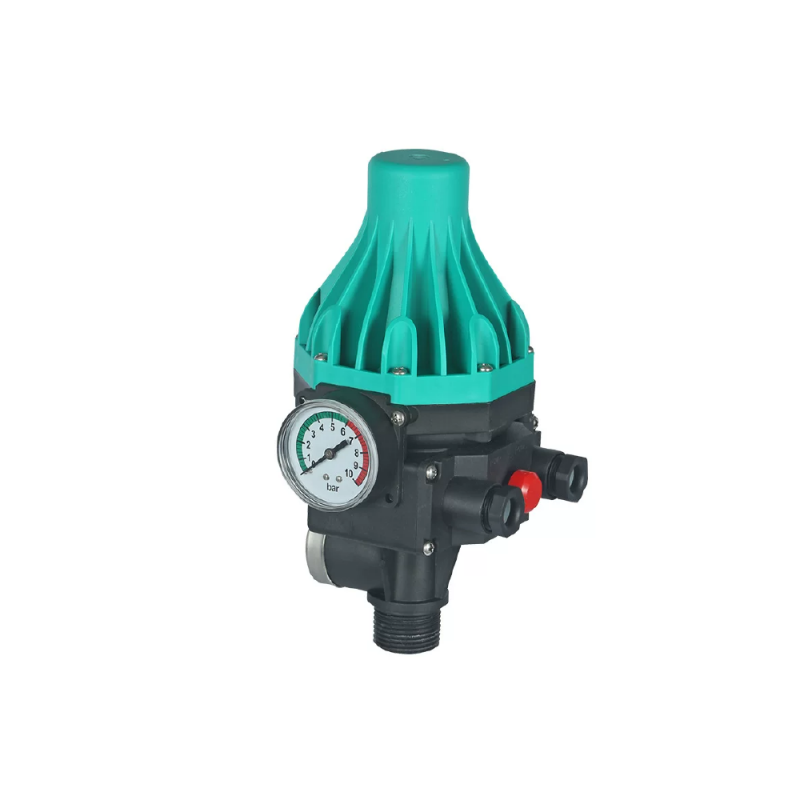
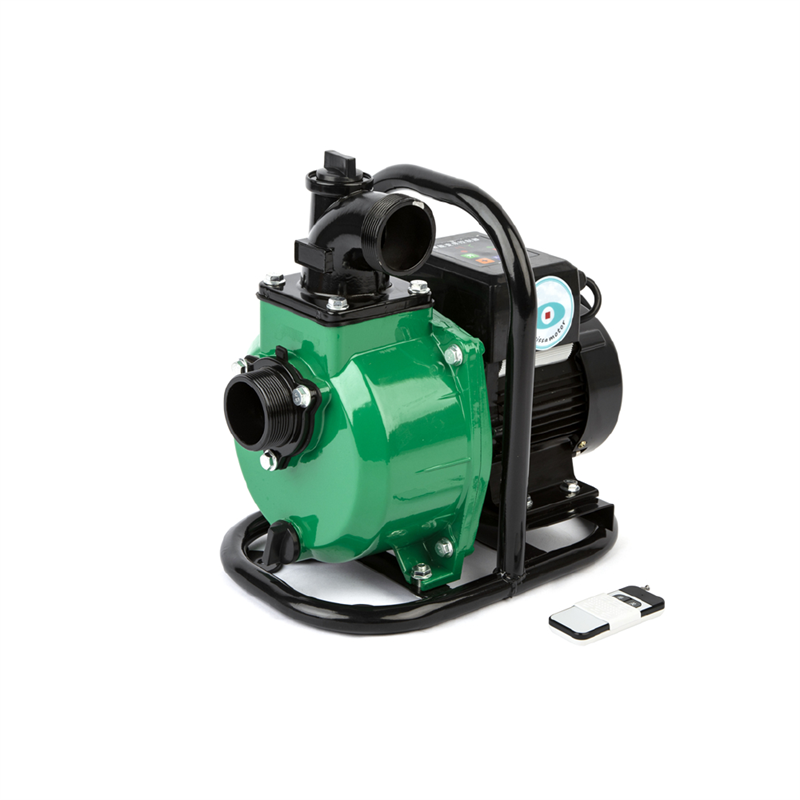
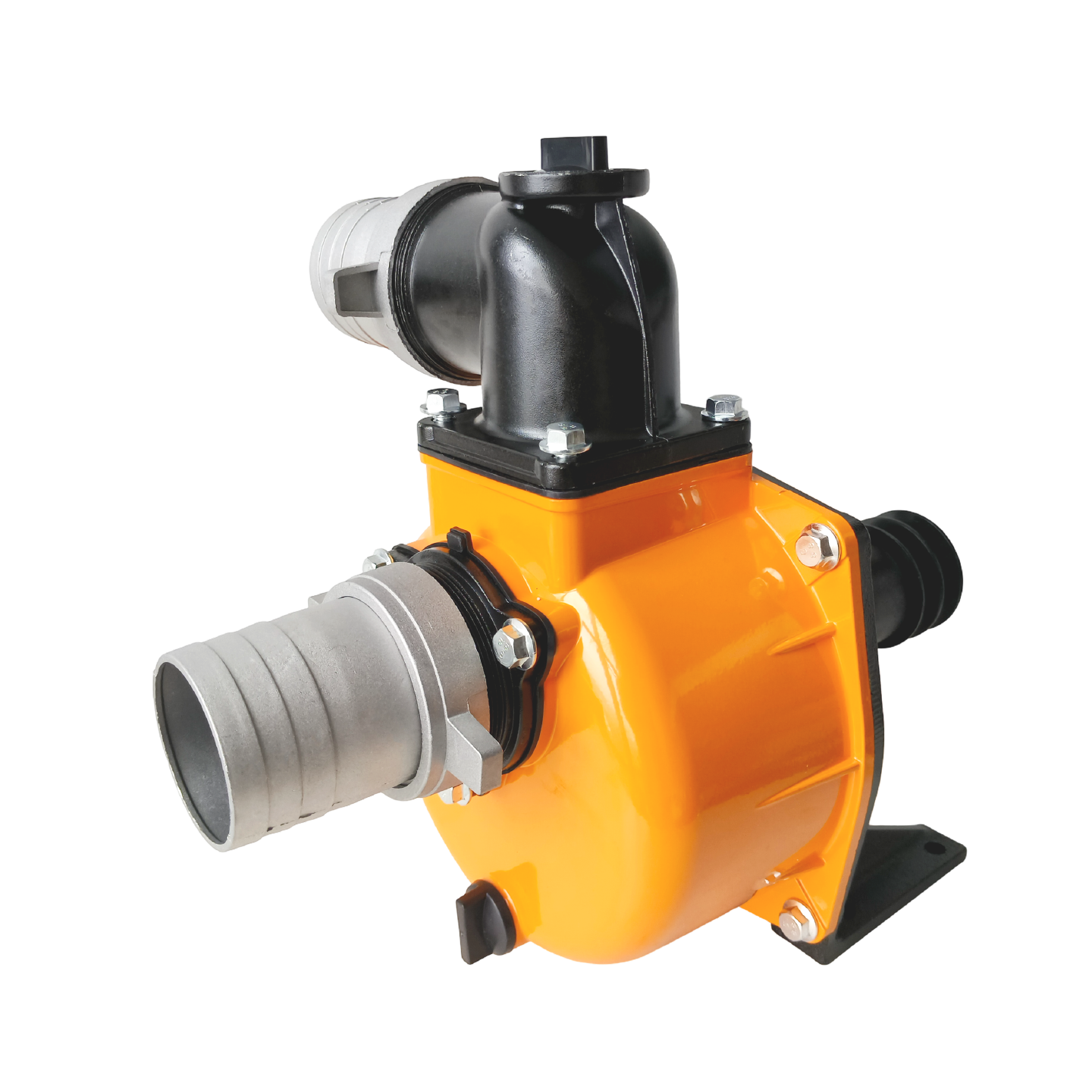
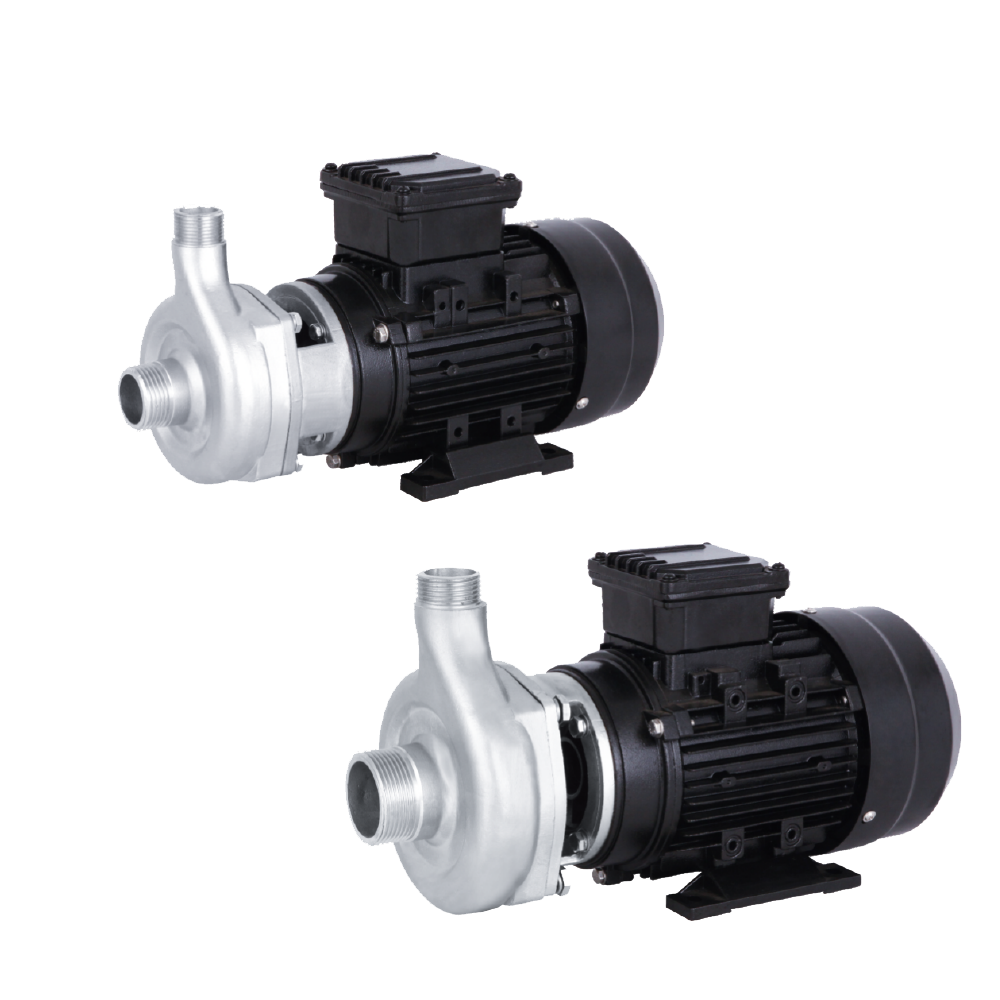
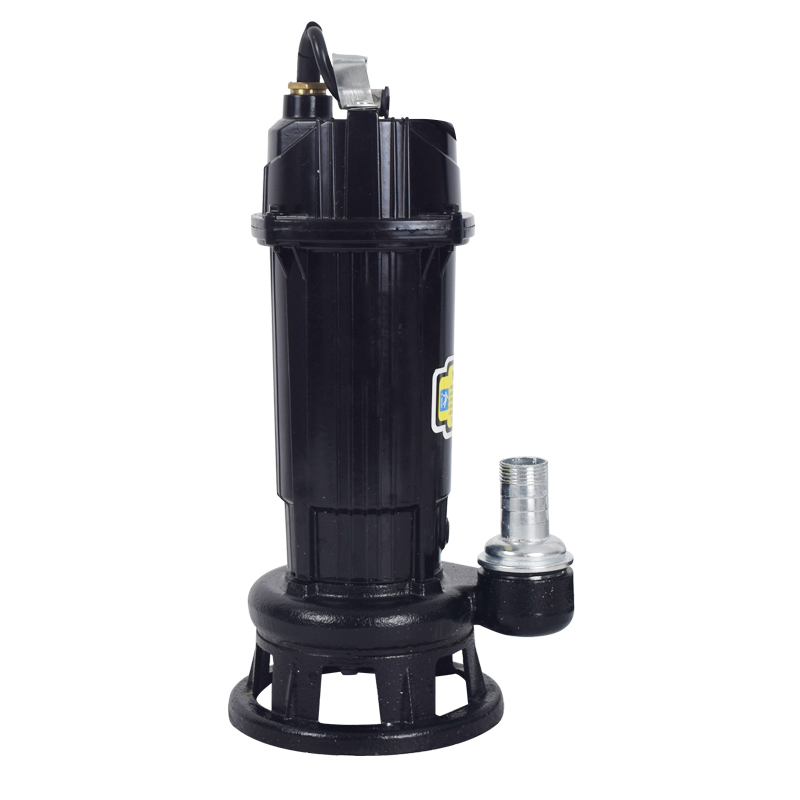
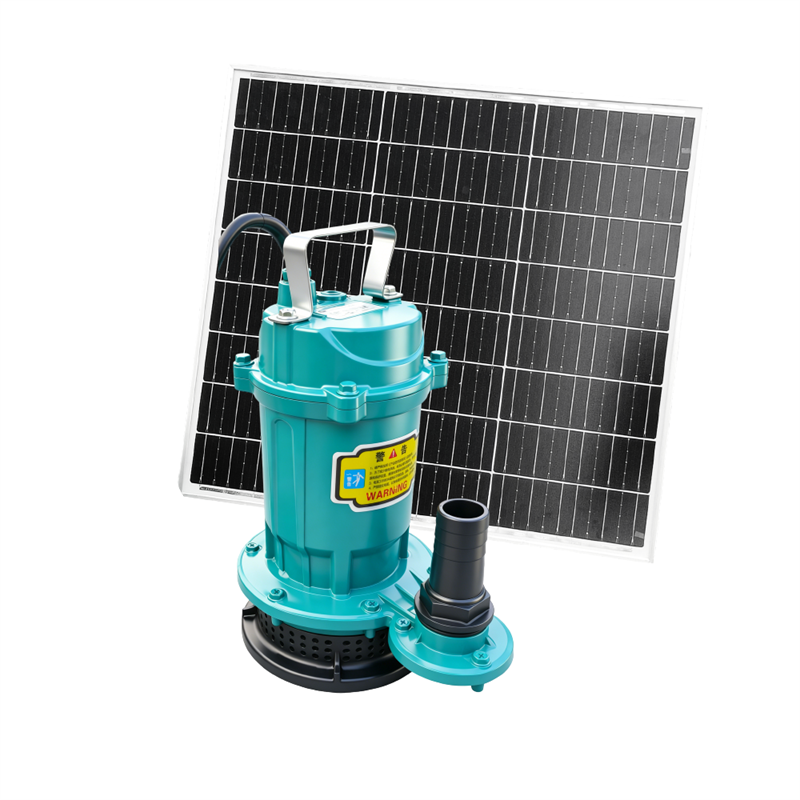
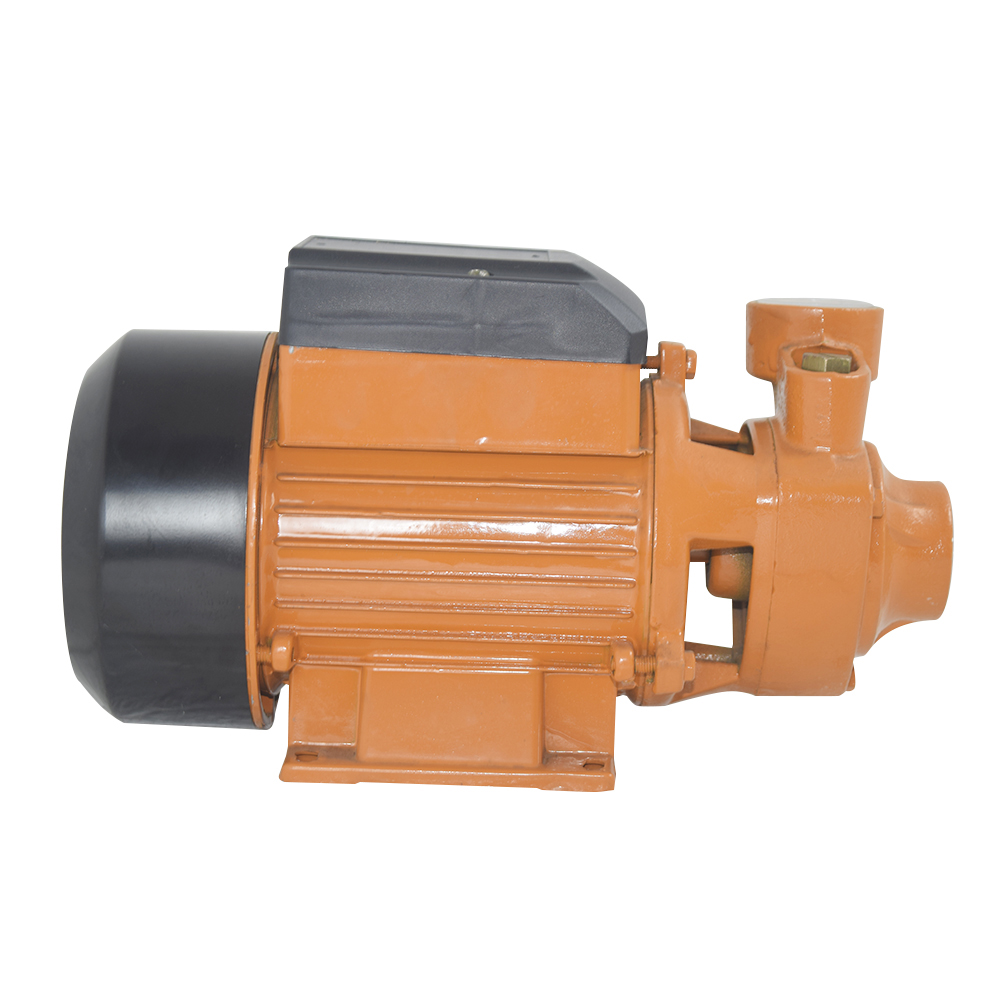
What Buyers Should Know
When purchasing turbine pumps, buyers must consider several key factors to ensure they select a product that meets their operational needs. Here are the primary considerations:
Performance Requirements: Assess the flow rate, head height, and pressure requirements for your application. This will determine the size and type of turbine pump needed.
Material Compatibility: Different materials offer varying resistance to corrosion and wear. Choose a pump with materials that are compatible with the fluids being handled, especially in chemical processing applications.
Customization Options: Many manufacturers, like Larissa Motor, offer customization to meet specific operational needs. Discussing your requirements with the manufacturer can lead to tailored solutions.
Quality Standards: Ensure that the turbine pump meets international standards for safety and performance. Certifications can indicate compliance with industry regulations.
Lead Times and MOQ: Understand the manufacturer's lead times and minimum order quantities (MOQ). This can affect your project timelines and budgeting.
By asking the right questions and gathering information on these aspects, buyers can make informed decisions that align with their operational goals.