Multistage Pumps: Key Specifications and Applications

Get a Professional Sourcing Quote

Our pump experts will review your request and reply within 12 hours.
Choose Your Needs Optional Business Type
Customization Requirements Optional
Email
Name
Company Name & Website
Message
0/1000

multistage pump

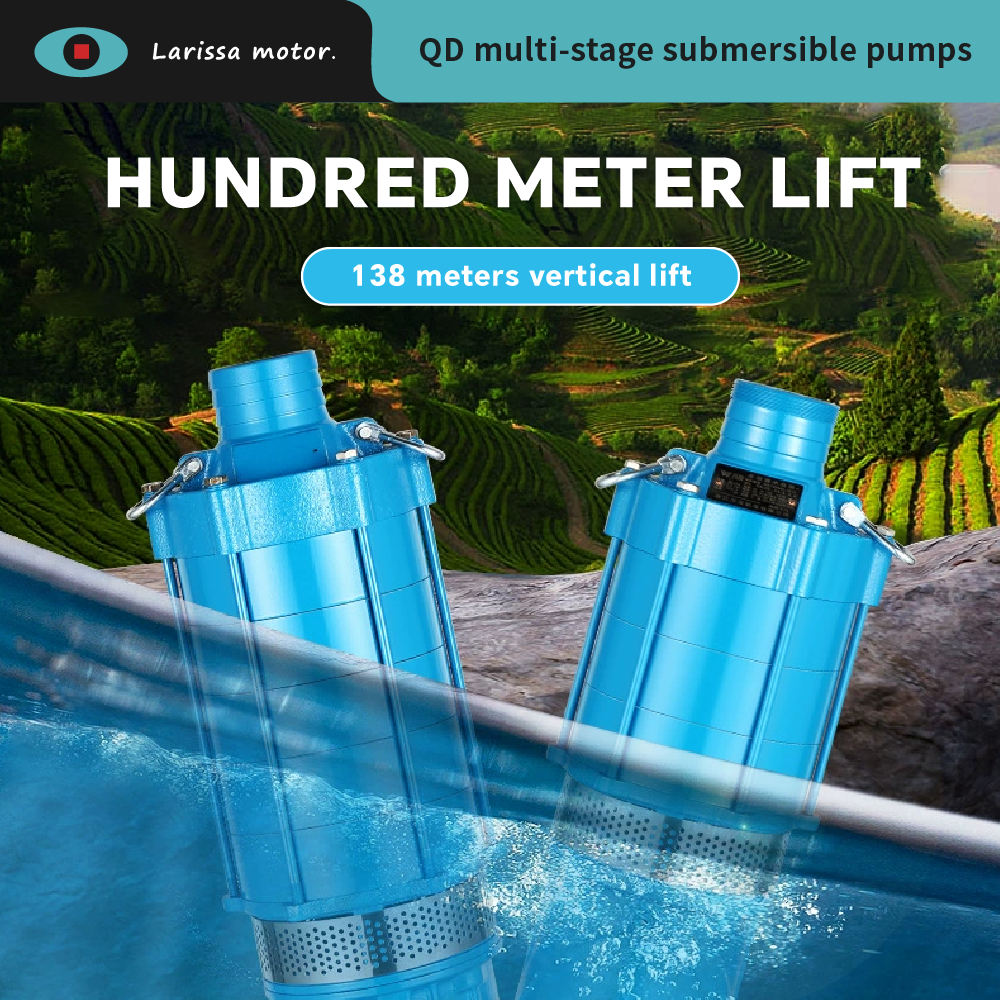
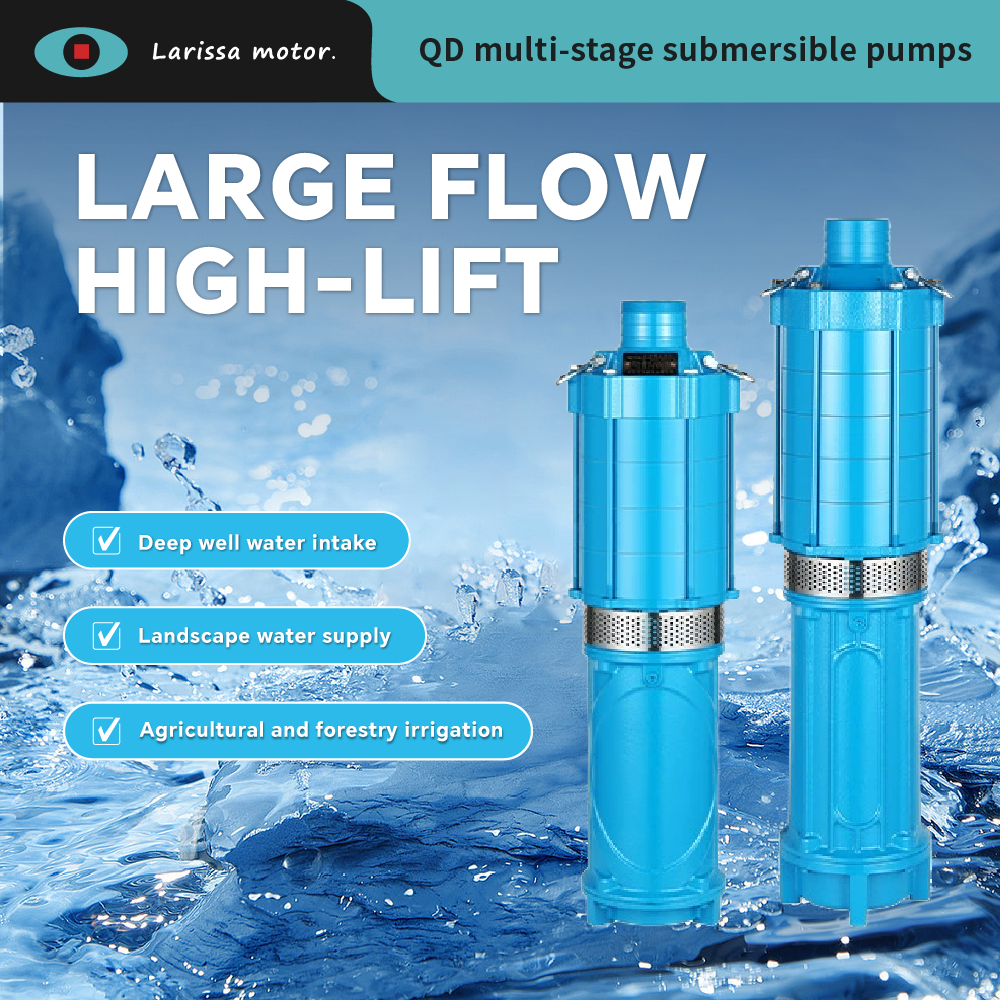
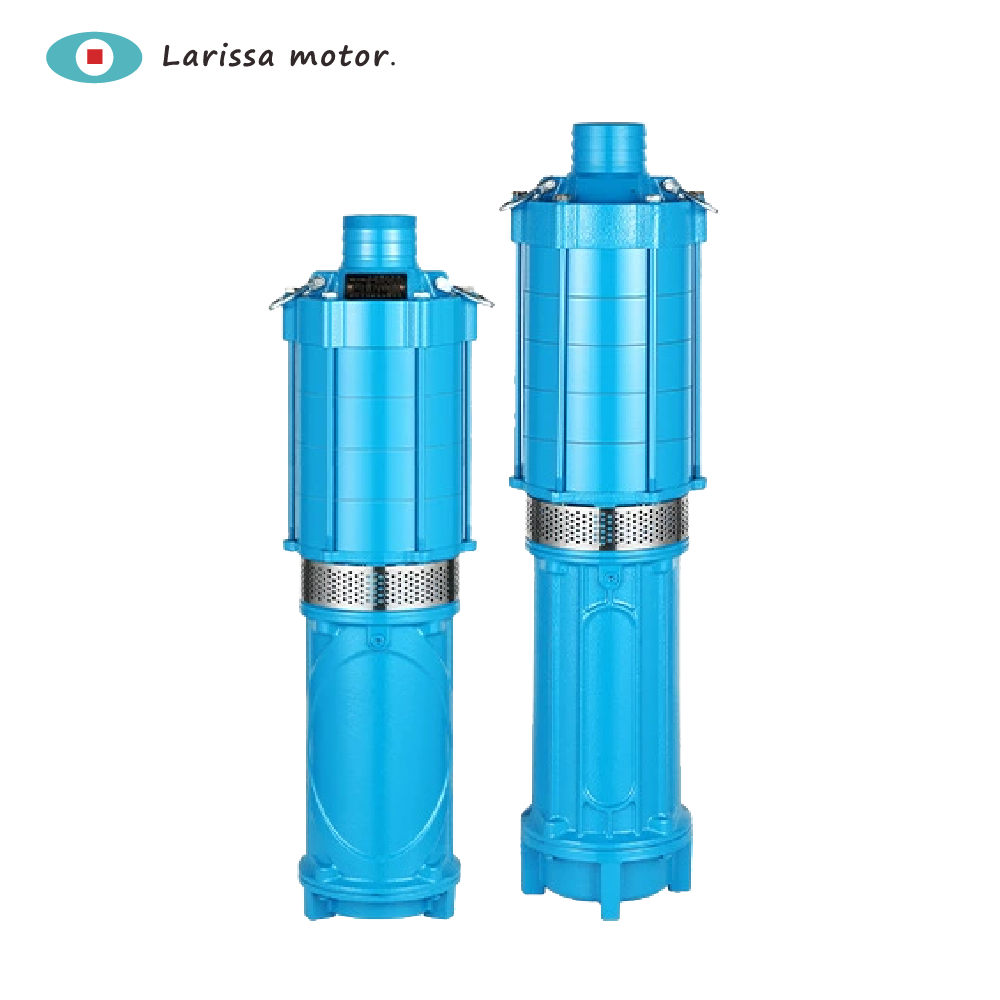
Multistage pumps are  essential devices utilized in various  industrial  applications,  renowned  for their ability to  generate  high  pressure  and efficient  fluid transfer. As a B2B buyer, understanding the intricacies of selecting a  multistage  pump is crucial, given the potential impact on  operational efficiency and cost-effectiveness. This  article  will address  key  specifications, sourcing strategies, common installation  issues, cost factors for bulk orders, and the diverse  applications of multistage pumps  across industries.
Where to Find Wholesale Suppliers of High-Quality Multistage Pumps

Where to Find Wholesale Suppliers of High-Quality Multistage Pumps

Finding reliable wholesale suppliers of multistage pumps involves a few strategic  approaches.

Industry Trade Shows: Attending trade shows dedicated to manufacturing and industrial equipment can provide  direct access to reputable suppliers. This allows you to physically inspect products, meet with manufacturers, and  discuss specifications in detail.

Online Marketplaces: Websites  such as Alibaba or ThomasNet can connect you with numerous suppliers around the globe. It's essential to evaluate supplier ratings, customer reviews, and product certifications to verify quality.

Industry Associations: Joining industry-specific associations can  provide  networking opportunities with manufacturers  and distributors. Members  often have access to exclusive resources and contacts, making it easier  to find high-quality suppliers.

Direct Manufacturer Contact: Reaching out to manufacturers like Larissa Motor, known for  producing  high-quality  electromechanical  products, can lead to  direct purchasing opportunities. Manufacturers often offer customization capabilities  that can align with specific project needs.

Referrals and Recommendations: Consulting with industry peers or colleagues for recommendations can lead you to trusted suppliers with proven  track records in providing high-quality  multistage pumps.

By employing these strategies, buyers can identify  reliable sources for multistage pumps, ensuring a successful procurement process.
Common Installation Problems with Multistage Pumps and Solutions

Common Installation Problems with Multistage Pumps and Solutions

Proper installation of multistage pumps is critical for optimal performance,  yet several common issues can arise.

Misalignment:  One of  the most frequent installation problems is misalignment between the  pump and motor. This can lead to excessive vibration, increased wear on components, and eventual failure. To avoid this, ensure that both components are properly aligned using alignment tools during installation.

Incorrect Piping: Improper piping can result in poor suction conditions, leading to cavitation—a phenomenon where vapor bubbles form and  collapse, damaging the pump. Ensure that the inlet piping  is  appropriately sized and positioned to  maintain a steady flow of liquid to the  pump.

Insufficient Foundation Support: A pump requires a stable  foundation to minimize vibrations and  maintain operational integrity. If the foundation is inadequate, it can  lead to pump instability. Ensure that the  pump is installed  on a solid base that can withstand operational vibrations.

Air Leaks:  Air entering the system can  disrupt performance and lead to cavitation. Ensure all connections are properly sealed and check for leaks during the installation process to maintain optimal suction and efficiency.

By addressing these common installation challenges  proactively, businesses can enhance the reliability  and performance of their multistage pumps.

Comparing Cost Factors for Bulk Orders of Multistage Pumps

Comparing Cost Factors for Bulk Orders of Multistage Pumps

When considering bulk orders of multistage pumps, several cost factors should be evaluated to ensure a favorable  purchasing decision.

Unit Cost: The base price per unit typically decreases with larger order quantities. It's essential to obtain quotes from multiple suppliers to compare pricing and identify the best deal.

Customization Costs: If specific modifications or customizations are required  for your application,  these can significantly impact the overall price. Discuss customization options  early in the negotiation process to  understand the implications on cost.

Shipping and Handling: Bulk orders may incur higher shipping costs. It's crucial  to factor in these costs when evaluating the total expense of the order. Discuss shipping options with suppliers, as  some may offer  discounts for bulk shipments.

Lead Time:  The  time required to fulfill  bulk orders can affect your operational efficiency. Suppliers may have different  lead times based on production capacity; thus, it’s essential to confirm this upfront to avoid delays.

Warranty and Support: Consider the  long-term costs associated with warranties and support services. A supplier  that offers  comprehensive after-sales support may save you expenses related to maintenance and repairs  over  time.

By carefully analyzing these  cost  factors, buyers can make informed decisions that align with their  budget and operational needs.

Applications of Multistage Pumps Across Various Industries

Multistage pumps serve a vital  role in numerous  industries, each with distinct  applications.

Water Treatment: In the water treatment  sector, multistage pumps are  utilized for  transporting water at high pressures through filtration systems. Their efficiency ensures that  clean water is available for municipal  and industrial use.

Oil and Gas: In oil and gas applications, these pumps facilitate the movement of crude oil and other fluids under high pressures, playing a critical role in extraction and refining processes.

Chemical Processing: Multistage pumps are essential in chemical processing for transferring corrosive liquids.  Their ability to  handle  various viscosities and chemical compositions makes them  suitable for  diverse applications  in this field.

HVAC  Systems: In heating, ventilation, and air conditioning (HVAC) systems, multistage pumps  are employed to circulate water or refrigerants, ensuring efficient temperature control in commercial buildings.

Agriculture: These pumps are also widely  used in agriculture for irrigation systems, where they help deliver water to crops efficiently, especially in areas where water pressure is low. For efficient irrigation solutions, consider Irrigation Pumps.

By  understanding the specific  applications of multistage pumps, buyers  can better assess their needs and select the appropriate pump for their industry, ensuring reliability and efficiency in their operations.

Key Specifications to Consider When Sourcing Multistage Pumps

When sourcing multistage pumps, several specifications should be closely evaluated to ensure  optimal performance for your  specific application.

Flow Rate: The flow rate, typically measured in gallons per minute (GPM) or liters per second (LPS), determines how quickly a pump can transfer  fluid. It's  essential to match the flow rate to your system's requirements, as an undersized pump  may lead to  insufficient pressure, while an oversized  pump could cause excessive energy consumption.

Head Pressure: This specification  indicates the height to which a pump can raise water, measured in feet or meters. Understanding the required head pressure for  your application is critical; insufficient head can lead to system inefficiencies and potential failures.

Material Composition: The materials used in  constructing the  pump, such as stainless steel, bronze, or plastic, should align with the fluids being pumped. For example, corrosive liquids may require specialized materials to prevent degradation, which  can  affect pump longevity and safety.

Motor Specifications: The motor’s power  rating, typically expressed in horsepower (HP), must be suitable for the pump's intended use. Additionally, energy  efficiency ratings can impact operational costs, making it essential  to consider energy-efficient models.

Seal Type: The type of sealing mechanism in the pump  is crucial for preventing leaks. Mechanical seals are commonly preferred for their reliability, while packing seals may require more frequent  maintenance.

By focusing on these specifications,  buyers can ensure that they select  a multistage pump that meets both performance and durability requirements for their particular application. For instance, considering options like Agricultural Water Pumps can enhance efficiency in irrigation systems.

Get a Professional Sourcing Quote

Our pump experts will review your request and reply within 12 hours.
Choose Your Needs Optional Business Type
Customization Requirements Optional
Email
Name
Company Name & Website
Message
0/1000

Related product categories